EU announces €153 million in humanitarian aid for Ukraine, €8 million for Moldova
The European Commission has announced €153 million ($183 million) in emergency aid for Ukraine, alongside €8 million ($9.5 million) to support Mol...
NATO member states have reached a consensus on a landmark defence spending target of 5% of GDP by 2035, paving the way for a formal announcement at the alliance’s upcoming summit in The Hague.
NATO diplomats confirmed on Sunday that all 32 member nations have approved a joint statement establishing a new goal for defence and security-related expenditure. The agreement follows extensive negotiations, with Spain previously voicing concerns over the scale of the proposed increase. However, a consensus was ultimately reached ahead of the high-level summit set to begin on Wednesday.
The statement, which remains unofficial until it is endorsed by NATO leaders, including U.S. President Donald Trump, represents a significant shift in the alliance’s defence posture. Currently, NATO’s formal target is set at 2% of GDP, a benchmark many members have struggled to meet. The proposed 5% goal signals a robust response to growing global security threats and aims to bolster the alliance’s collective deterrence capabilities.
According to diplomatic sources, the new target is not expected to be immediately binding but will serve as a guiding objective for long-term defence planning. The text reportedly calls for a gradual and "sustainable path" toward the 2035 goal, with flexibility for national economic conditions.
The decision comes amid heightened tensions in Europe and renewed pressure from the United States for greater burden-sharing within the alliance. President Trump has repeatedly urged NATO allies to step up their defence commitments, a stance he is expected to reiterate during his address in The Hague.
The summit is also likely to feature discussions on NATO’s strategic posture, the ongoing conflict in Eastern Europe, cybersecurity coordination, and emerging threats in the Indo-Pacific region.

Liverpool confirmed direct qualification to the UEFA Champions League round of 16 with a 6-0 win over Qarabağ at Anfield in their final league-phase match. Despite the setback, Qarabağ secured a play-off spot, with results elsewhere going in the Azerbaijani champions’ favour on the final matchday.
China is supplying key industrial equipment that has enabled Russia to speed up production of its newest nuclear-capable hypersonic missile, an investigation by The Telegraph has found, heightening concerns in Europe over Moscow’s ability to threaten the West despite international sanctions.
Storm Kristin has killed at least five people and left more than 850,000 residents of central and northern Portugal without electricity on Wednesday (28 January), as it toppled trees, damaged homes, and disrupted road and rail traffic before moving inland to Spain.
Russian President Vladimir Putin said he was ready to assist in rebuilding Syria’s war-damaged economy as the country's interim President Ahmad al-Sharaa made his second visit to Moscow in less than four months on Wednesday (28 January).
Start your day informed with AnewZ Morning Brief: here are the top news stories for the 28 January, covering the latest developments you need to know.
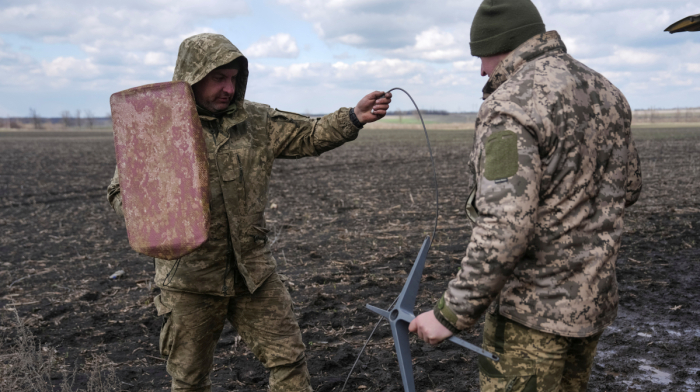
The European Commission has announced €153 million ($183 million) in emergency aid for Ukraine, alongside €8 million ($9.5 million) to support Moldova, which hosts large numbers of Ukrainian refugees.
U.S. President Donald Trump on Thursday threatened new tariffs on countries supplying oil to Cuba, escalating a pressure campaign against the Communist-run island.
Burkina Faso’s military-led government has dissolved all political parties and ordered their assets transferred to the state under a decree adopted by the authorities.
Bangladesh and Pakistan on Thursday resumed direct flight services after 14 years, marking a milestone in the revival of relations between the two Muslim-majority nations.
Truck drivers in two of the four Balkan states protesting against the EU’s tightened entry-exit rules stepped back on Thursday, easing some pressure on major cargo routes, while colleagues in Bosnia and Serbia kept their lines of trucks in place.
You can download the AnewZ application from Play Store and the App Store.
What is your opinion on this topic?
Leave the first comment