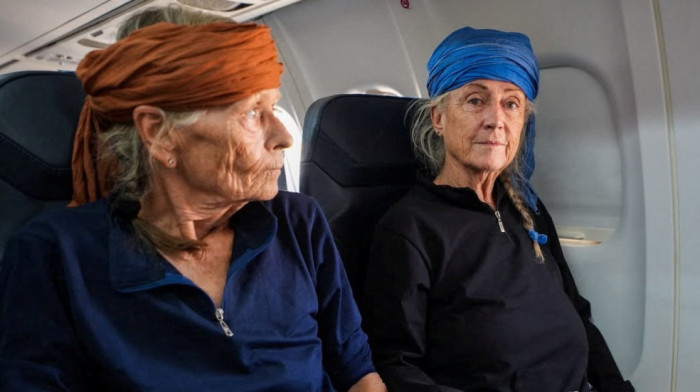
G7 calls for urgent global action on Congo Ebola outbreak
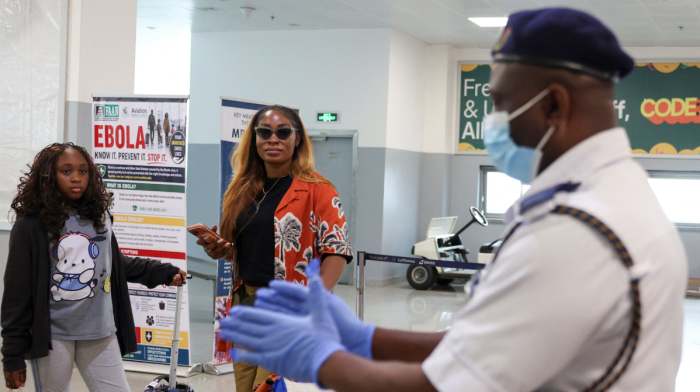
Leaders of the Group of Seven (G7) have called for a strong and coordinated international response to the Ebola outbreak in the Democratic Republic of...
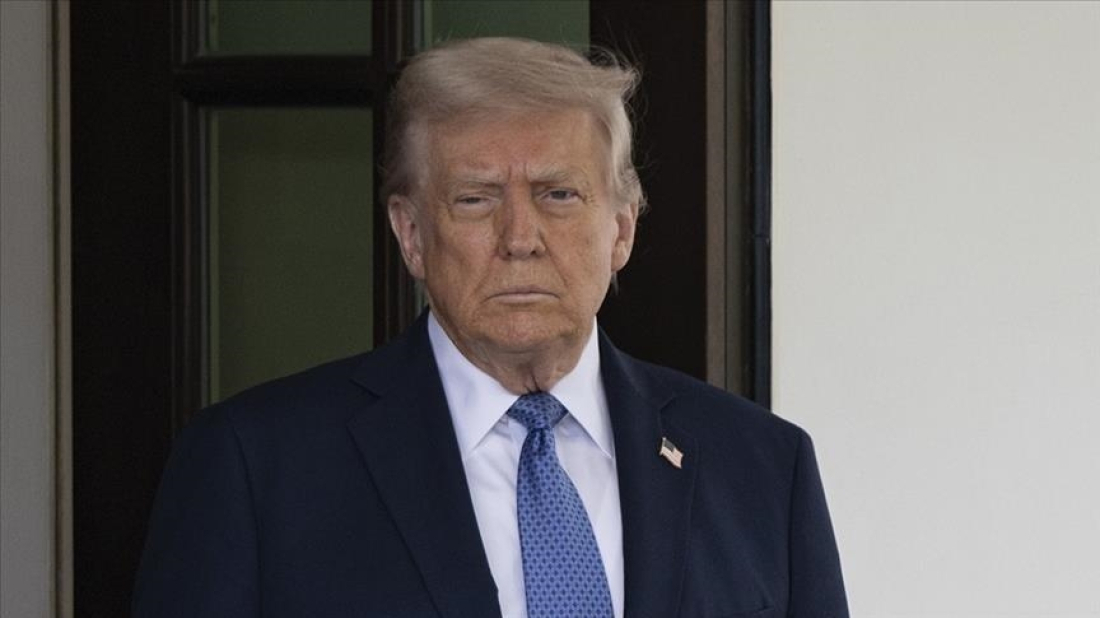
US President Donald Trump has yet to make a final decision on military strikes against Iran, emphasizing he prefers to decide at the last moment amid escalating tensions following Israel’s recent attacks on Iranian nuclear and military sites last Friday (13 June).
He said that he prefers to make the decision “one second before it’s due.”
Speaking to reporters, Trump said, “I don’t want war, but if it’s a choice between war and them having a nuclear weapon, you have to do what you have to do, and maybe there won’t be a war.”
The president emphasized that the situation is rapidly changing and that war is a very bad thing. He also added that he will hold a meeting soon in the Situation Room.
Tensions between Israel and Iran continue to rise. On 13 June, Israel launched large-scale attacks on Iran’s nuclear and military facilities. In response, Iran has blasted Tel Aviv, denying it has the capability of creating a nuclear weapon.
When asked if the Iranian government might collapse amid these attacks, Trump responded, “Anything could happen.”
The US President also mentioned that Iranian officials want to visit The White House. However, an official at Iran’s mission to the United Nations denied these claims on social media, stating, “No Iranian official has ever begged at the gates of The White House.”
Israeli airstrikes have resulted in 585 deaths and at least 1,326 injuries in Tehran and other densely populated areas.
In response, Iran launched ballistic missile strikes that killed 24 people and injured more than 500 in Israel according to the latest figures.

Details of a reported draft memorandum of understanding between the United States and Iran offer the clearest picture yet of how both sides plan to end months of conflict and move towards a longer-term settlement.
The U.S. and Iran say they have reached a deal to end their conflict, with an immediate ceasefire and reopening of the Strait of Hormuz after the lifting of the U.S. naval blockade. Talks will continue over the next 60 days to finalise the agreement
A senior U.S. official said on Monday that the memorandum of understanding linked to the U.S.-Iran agreement had been signed by President Donald Trump, Vice President JD Vance and Iranian Parliament Speaker Mohammad Bagher Qalibaf.
Israeli Prime Minister Benjamin Netanyahu has told U.S. President Donald Trump that Israel does not consider itself bound by a Lebanon-related provision in an emerging agreement with Iran, according to Israeli officials.
A strong 6.7-magnitude earthquake struck Indonesia's Sulawesi island early Tuesday, killing at least one person and injuring four, according to emergency authorities.
Leaders of the Group of Seven (G7) have called for a strong and coordinated international response to the Ebola outbreak in the Democratic Republic of the Congo, urging countries to commit more resources to contain the spread of the virus.
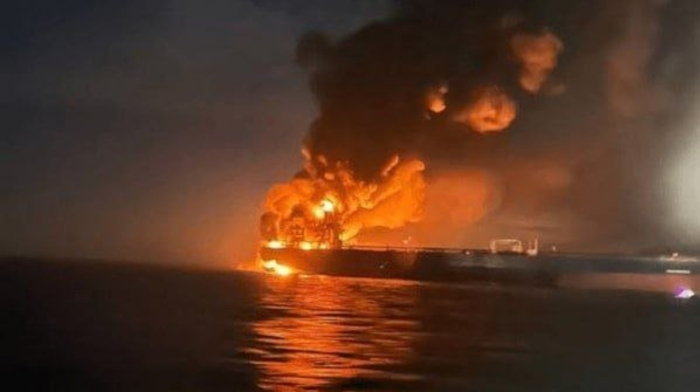
Türkiye’s Foreign Minister Hakan Fidan has warned against actions in the Black Sea that could threaten regional stability, saying he raised the issue directly with Russia during talks in Moscow.
Lithuania’s ruling Social Democratic Party has said its chairman, Mindaugas Sinkevicius, is preparing to become the country’s next prime minister, replacing Inga Ruginiene.
The United Kingdom has imposed a new wave of sanctions on Russia, targeting key financial institutions, logistics networks and vessels accused of helping Moscow sustain its war in Ukraine.
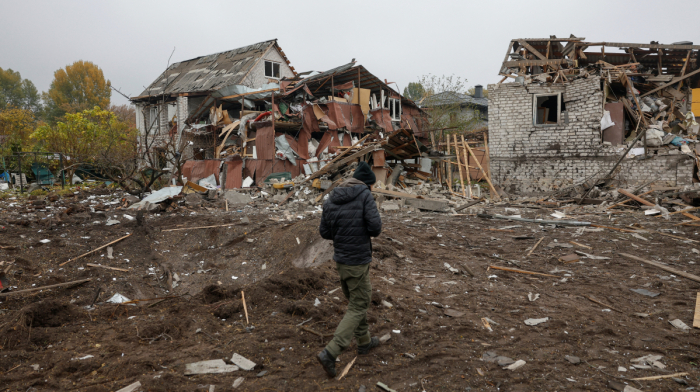
Ukraine has said it struck an oil refinery in Russia’s Moscow region, marking one of the deepest reported attacks into Russian territory in recent months.
You can download the AnewZ application from Play Store and the App Store.
What is your opinion on this topic?
Leave the first comment