Canada has issued a travel advisory urging its citizens to avoid travel to parts of the Middle East, citing heightened tensions between Israel and Iran. The warning comes amid ongoing military exchanges that have raised fears of broader regional instability.
In a statement released Tuesday, Global Affairs Canada said it is "closely monitoring the rapidly evolving tensions between Israel and Iran," and confirmed that more than 82,000 Canadians are currently registered as being in the region through the Registration of Canadians Abroad service. This includes more than 4,000 in Iran and more than 6,600 in Israel, the West Bank, and Gaza.
However, the government emphasized that the registration system is voluntary and may not accurately reflect the actual number of Canadians in the area.
As of now, no Canadian casualties have been reported in connection with the recent hostilities, the statement added.
In a precautionary move, Canada temporarily relocated four non-essential diplomatic staff and 20 dependents from its missions in Tel Aviv and Ramallah to a third country on 16 June.
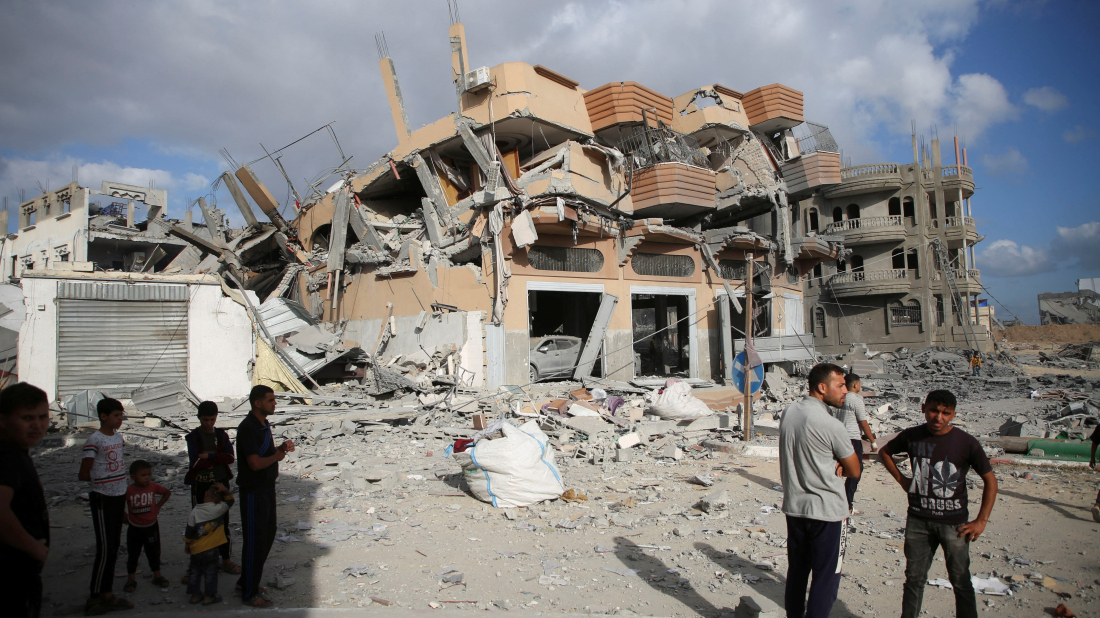
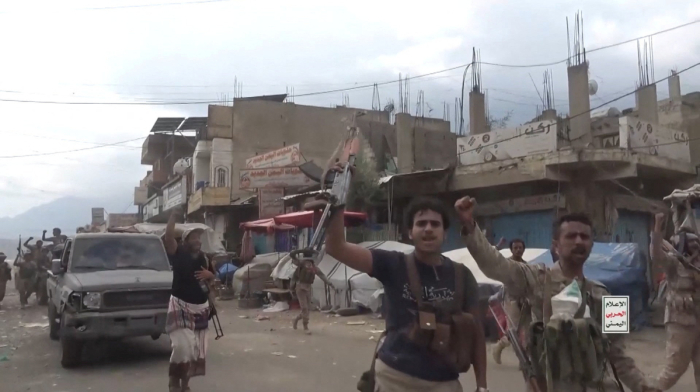
The advisory strongly urges Canadians to avoid all travel to Iran, Iraq, Israel, the occupied West Bank and Gaza, Syria, Yemen, Lebanon, and Jordan, warning that the security situation in these regions remains volatile.
“We are concerned by the escalating hostilities and its impact on civilians,” Global Affairs Canada said, calling on all parties to refrain from actions that could further destabilize the region.
The Canadian government reiterated its support for diplomatic solutions, noting that “negotiations remain the most effective and sustainable path to addressing concerns around Iran's nuclear activities.”
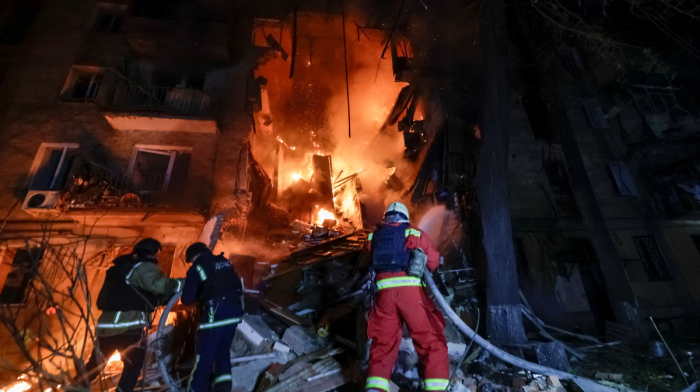
Tensions in the region intensified last Friday when Israel launched coordinated airstrikes on targets across Iran, including military and nuclear facilities. Iran responded with retaliatory missile attacks on Israeli cities.
According to Israeli authorities, at least 24 people have been killed and hundreds injured in the Iranian strikes. Iran has reported at least 224 fatalities and more than 1,000 injuries from Israel’s attacks since Friday (13 June).
Canada's travel advisory aligns with similar warnings from other Western governments as the risk of a broader regional conflict continues to grow.
















What is your opinion on this topic?
Leave the first comment