South Korea faces political turmoil as opposition lawmakers move to impeach President Yoon Suk Yeol over his martial law declaration. Amid public outrage, Defence Minister Kim Yong-hyun resigns, and investigations into Yoon and officials escalate.
Yoon's declaration of martial law late on Tuesday sought to consolidate power, ban political activity and censor the media in Asia's fourth-largest economy and a key U.S. ally.
It sparked outrage in the streets and concern among South Korea's international allies.
Lawmakers of the opposition Democratic Party planned to seek a vote in parliament to impeach Yoon at about 7 p.m. (1000 GMT) on Saturday, a party spokesperson told reporters.
"The Yoon Suk Yeol regime's declaration of emergency martial law caused great confusion and fear among our people," Democratic Party lawmaker Kim Seung-won told the National Assembly earlier.
Yoon's ruling People Power Party is divided over the crisis but said it would oppose impeachment with the party in turmoil and two years left in Yoon's five-year term.
The Democratic Party needs at least eight of the 108 ruling-party lawmakers to back the bill for it to pass with a two-thirds majority in the 300-seat parliament.
Fighting for his political future, Yoon accepted the resignation of Defence Minister Kim Yong-hyun on Thursday and nominated his ambassador to Saudi Arabia, Choi Byung-hyuk, as a replacement, Yoon's office said.
Kim had recommended Yoon declare martial law on Tuesday, according to the interior minister, a senior military official and the opposition's filing to impeach Yoon.
Kim also ordered the deployment of troops to the parliament, Vice-Defence Minister Kim Seon-ho said, adding that he was unaware of the martial law order until Yoon declared it.
"I have fundamentally opposed the mobilisation of military forces under martial law and have expressed negative opinions about it," Kim Seon-ho told a parliament hearing on Thursday, apologising and taking responsibility for failing to prevent it.
South Korea's army chief has also offered to resign, the Yonhap news agency said.
The former defence minister now faces a travel ban as prosecutors investigate the attempt to impose martial law, broadcaster YTN said. Yoon and the interior minister were also being investigated, Yonhap said.
INSTABILITY ALARMS
Japanese Prime Minister Shigeru Ishiba said Japan's "security situation may be fundamentally changed" in light of the instability in Seoul and North Korea's rising military assertiveness.
"What will happen to South Korea? There appears to be a great deal of domestic criticism and opposition," he told parliament, adding that Yoon's efforts to improve relations with Tokyo "must never be undermined".
There has been no reaction yet from North Korea to the drama in the South.
On Wednesday, Secretary of State Antony Blinken told Reuters the United States had not been made aware in advance of Yoon's declaration, while his deputy, Kurt Campbell, said Yoon had badly misjudged it.
The United States has 28,500 troops stationed in South Korea as a legacy of the 1950-1953 Korean War.
The commander of U.S. Forces-Korea, General Paul LaCamera, warned American troops to stay vigilant, avoid areas with protests, and tell superiors of travel plans in case "something unexpected" happens.
Yoon had been embraced by leaders in the West as a partner in the U.S.-led effort to unify democracies against growing authoritarianism in China, Russia and elsewhere.
But he caused unease among South Koreans by branding his critics "communist totalitarian and anti-state forces". In November, he denied wrongdoing in response to accusations of influence-peddling against him and his wife and he has taken a hard line against labour unions.
NIGHT OF CHAOS
The impeachment plan follows a night of chaos after Yoon declared martial law and armed troops attempted to force their way into the National Assembly building in Seoul, only to stand back when parliamentary aides sprayed them with fire extinguishers.
The commander of the martial law troops said he had no intention of wielding firearms against the public, and Kim, the vice defence minister, said no live ammunition had been provided to those troops.
"The people and the aides who protected parliament protected us with their bodies. The people won, and it's now time for us to protect the people," the Democratic Party's Kim said.
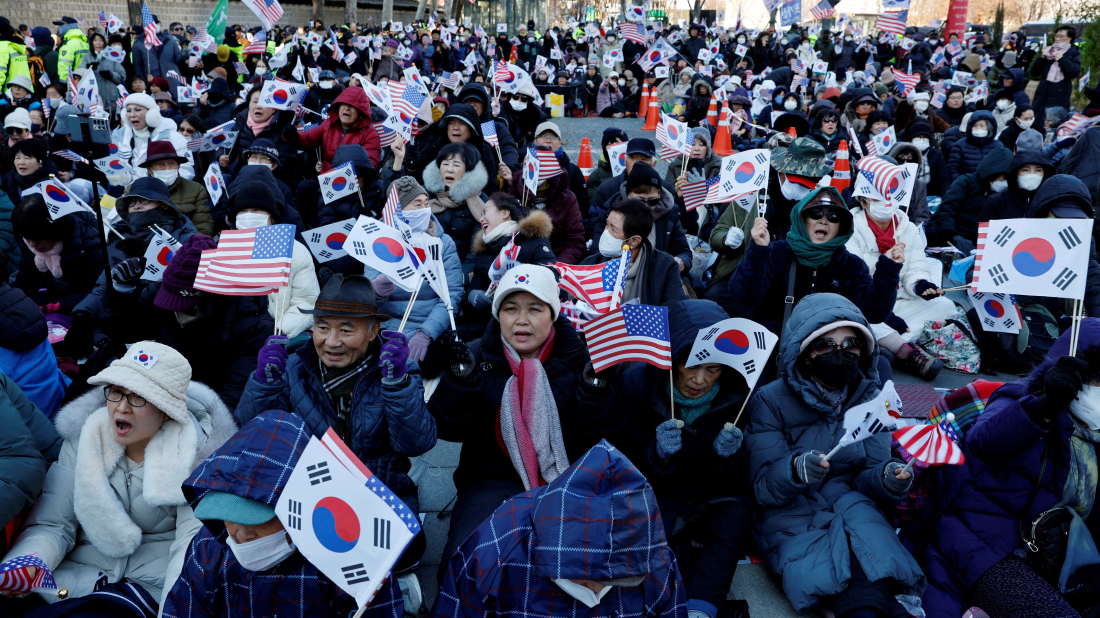
Many protesters said they feared a return to the dictatorships and martial law that marked much of South Korea's post-war period.
"For the sake of my children, this must be stopped no matter what," one protester, Kim Hye-Min, said on Thursday at a demonstration outside parliament. "We cannot go back to the 1970s."
The crisis rattled global financial markets and South Korea's benchmark KOSPI index. Currency dealers reported suspected state intervention on Wednesday to keep the won stable.
If the impeachment bill passes, South Korea's Constitutional Court will then decide whether to uphold the motion – a process that could take up to 180 days.
If Yoon were to be suspended from exercising power, Prime Minister Han Duck-soo would fill in as leader.
If Yoon resigned or was removed from office, a new election would be held within 60 days.
Yoon, a career prosecutor, squeezed out a victory in the tightest presidential election in South Korean history in 2022, riding a wave of discontent over economic policy, scandals and gender wars.
But his support ratings have been at around 20% for months and the opposition captured nearly two-thirds of parliament seats in an April election.
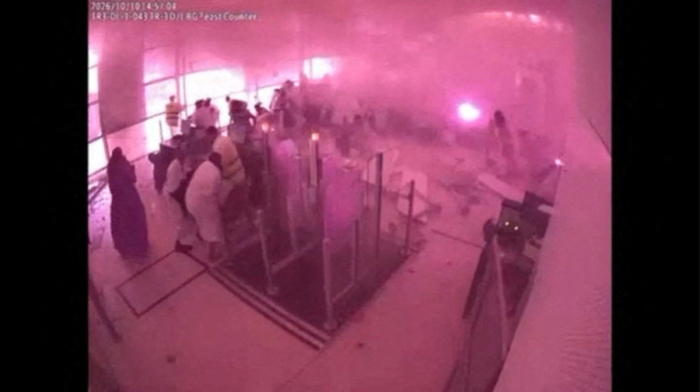
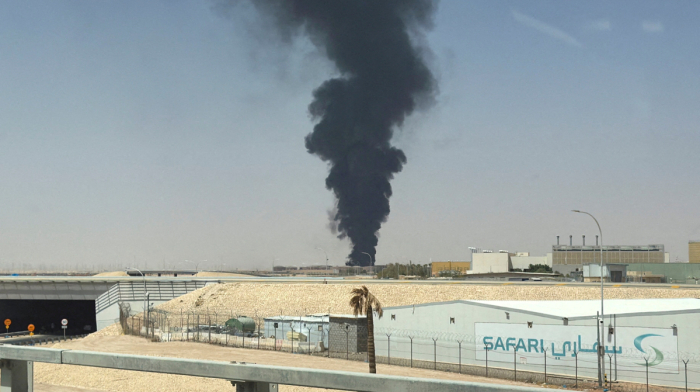
The explosion at King Khalid International Airport in Riyadh on Saturday afternoon killed at least 12 people and injured a further 309, according to Saudi Arabia’s Civil Aviation Authority. The airport remains closed until further notice.
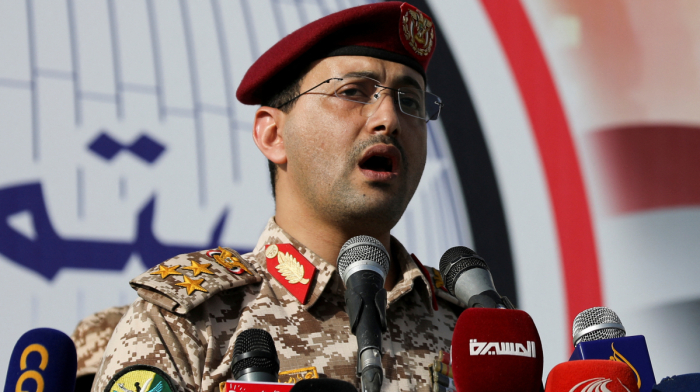
Yemen's Houthis renewed warning to airlines, airport workers, and travellers against using Saudi airports, saying the warning should be taken seriously and that the kingdom “bore responsibility for failed interceptions”, a day after an attack on Riyadh's international airport that killed 12 people.
One person was killed and nearly a dozen hurt in a new attack Riyadh's international airport on Sunday, Saudi authorities reported, a day after a strike claimed by Yemen's Houthis that killed 13 people and wounded more than 300.
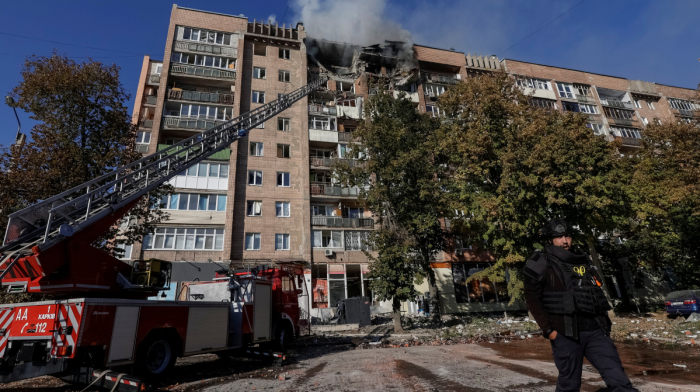
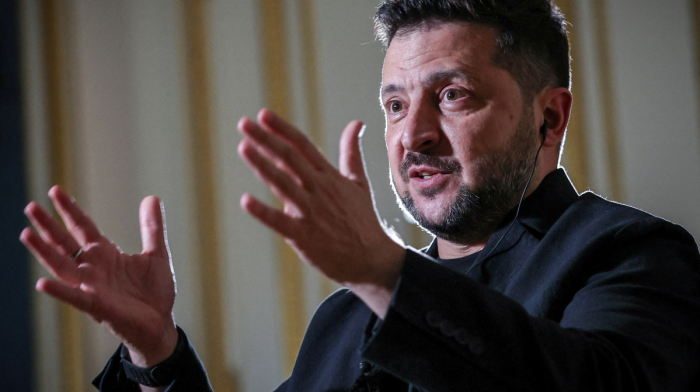
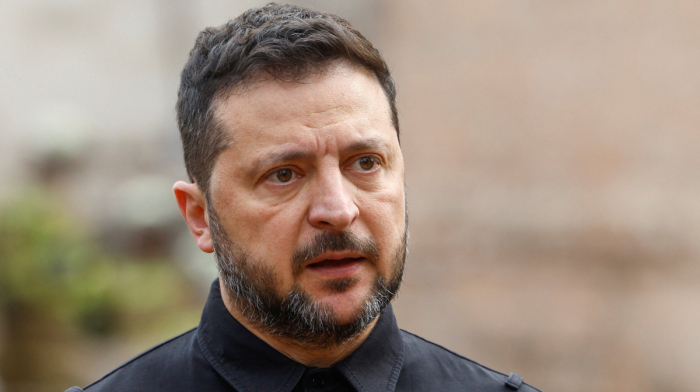
Ukraine is ready to stop attacks on Russian oil refineries if Moscow also halts strikes on Ukrainian energy infrastructure, President Volodymyr Zelenskyy said on Sunday.
Russia has violated an energy ceasefire announced by U.S. President Donald Trump, Ukrainian leader Volodymyr Zelenskyy said on Monday, urging Washington to step in to ensure that Moscow abided by the terms of the putative agreement.
Ukrainian President Volodymyr Zelenskyy said on Monday that Ukraine is ready to respect the energy ceasefire announced by U.S. President Donald Trump, but only if Russia does the same, saying Moscow has already violated the agreement.
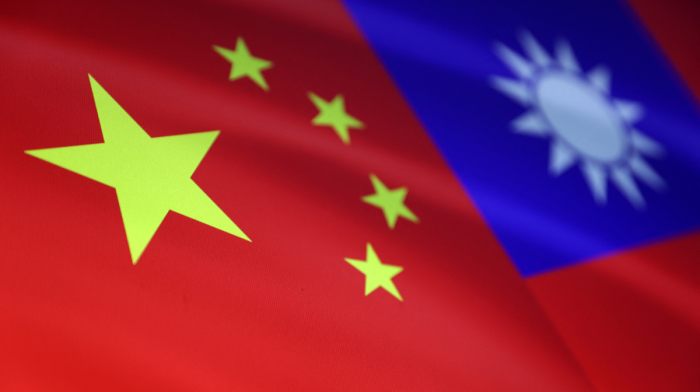
China has announced sanctions against Belize’s foreign minister and Paraguay’s communications minister over their countries’ diplomatic ties with Taiwan. The move comes as Beijing continues to pressure the few remaining nations that maintain formal diplomatic relations with Taipei.
Download the AnewZ app
You can download the AnewZ application from Play Store and the App Store.











What is your opinion on this topic?
Leave the first comment