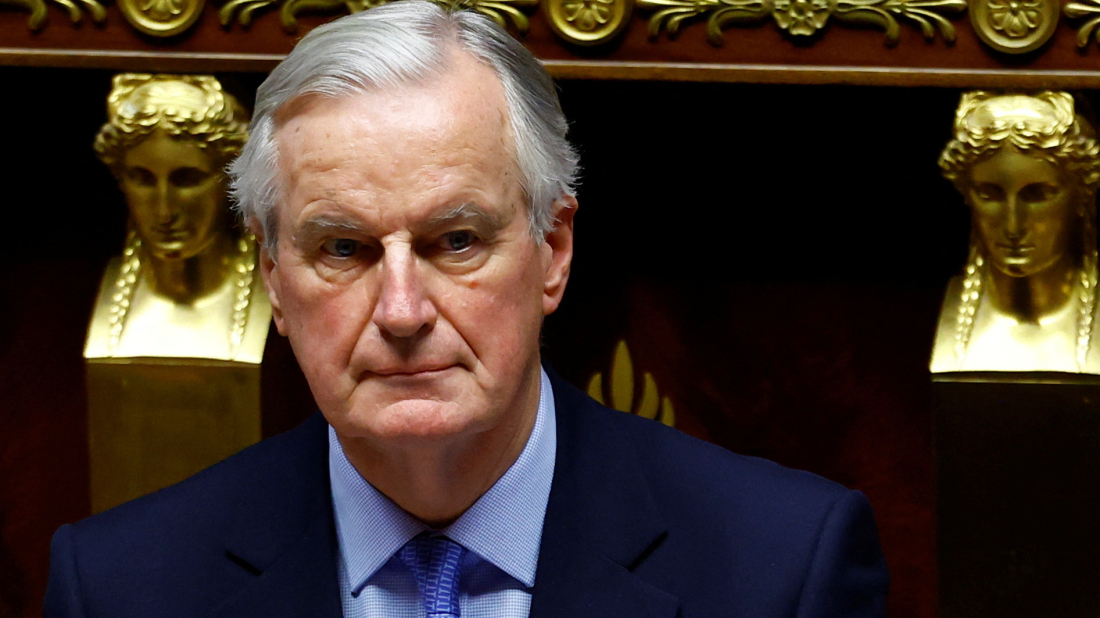
French Prime Minister Michel Barnier is expected to resign on Friday after far-right and leftist lawmakers voted to topple his government, plunging France into its second major political crisis in six months.
Barnier, a veteran politician who was formerly the European Union's Brexit negotiator, will be the shortest serving prime minister in modern French history. No French government had lost a confidence vote since Georges Pompidou's in 1962.
The hard left and far right punished Barnier for ramming an unpopular budget through an unruly hung parliament without a vote. The draft budget had sought 60 billion euros ($63.07 billion) in savings in a drive to shrink a gaping deficit.
Barnier's resignation will cap weeks of tensions over the budget, which Marine Le Pen's far-right National Rally said was too harsh on working people. It also further weakens the standing of President Emmanuel Macron, who precipitated the current crisis with an ill-fated decision to call a snap election ahead of the summer Paris Olympics.
Macron faces growing calls to resign, but he has a mandate until 2027 and cannot be pushed out. Still, the long-running political debacle has left him a diminished figure.
France now risks ending the year without a stable government or a 2025 budget, although the constitution allows special measures that would avert a U.S.-style government shutdown.
France's political turmoil will further weaken a European Union already reeling from the implosion of Germany's coalition government, and weeks before U.S. President-elect Donald Trump returns to the White House.
Trump is due to visit Paris on Saturday for the unveiling of the renovated Notre Dame cathedral, and Macron wants to name a prime minister before then, Reuters reported on Wednesday.
France now faces a period of deep political uncertainty that is already unnerving investors in French sovereign bonds and stocks. Earlier this week, France's borrowing costs briefly exceeded those of Greece, generally considered far more risky.
Any new prime minister would face the same challenges as Barnier in getting bills, including the 2025 budget, adopted by a divided parliament. There can be no new parliamentary election before July.
Uzbekistan summoned Iran’s ambassador following claims by several Iranian diplomatic missions that the historical and architectural heritage of Samarkand belongs to Persian or Iranian-Islamic civilisation, Tashkent's Foreign Ministry said.
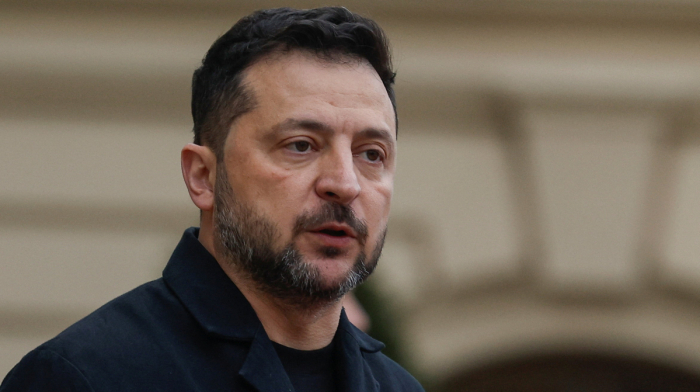
Russian strikes hit several parts of Ukraine overnight, injuring at least six people and targeting energy and port infrastructure, as President Volodymyr Zelenskyy said U.S. warnings about imminent Russian ballistic missile attacks had resumed.
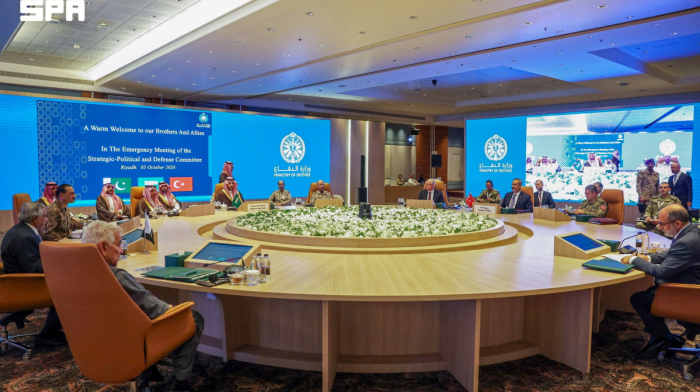
Iran's Supreme National Security Council says senior officials from Saudi Arabia, Pakistan and Türkiye will travel to Tehran to discuss regional security.
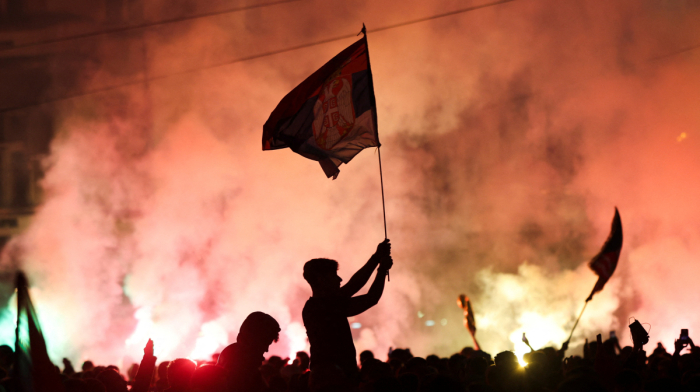
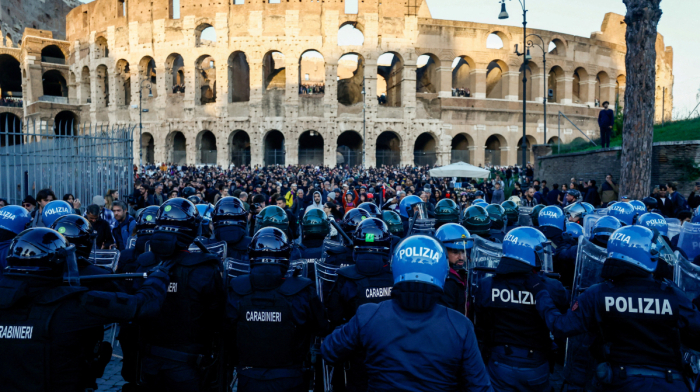
Protests against war and rising living costs took place in major Italian cities on Saturday, with some incidents of violence and clashes, a week after unrest erupted across the country.
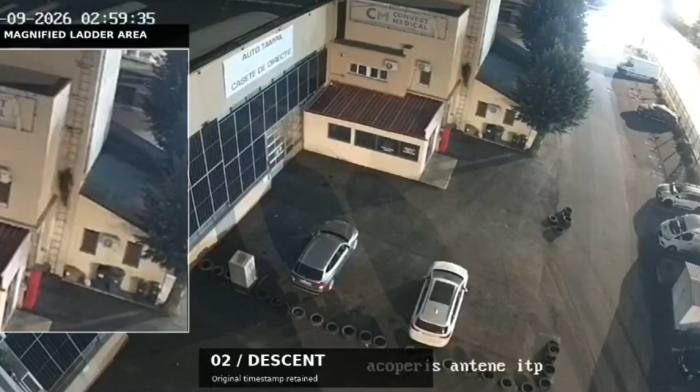
Romanian authorities say they have uncovered a sabotage network allegedly coordinated from Russia and linked to a fire near a defence manufacturing site in the central city of Brasov, underscoring growing concerns about hybrid threats targeting military infrastructure across Europe.
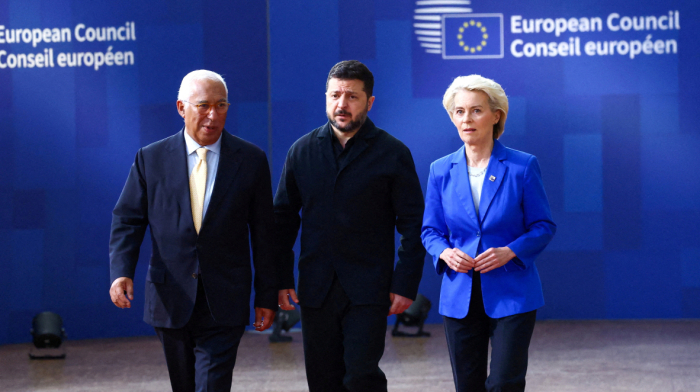
The Council of the European Union has approved a new support package worth nearly €4.9 billion ($5.4 billion) for Ukraine, reinforcing the bloc's military backing for Kyiv as it continues to defend itself against Russia's invasion.
Harry Kane has been crowned the 2026 Ballon d'Or winner, completing a journey that saw him rise from a young player struggling to break into Tottenham Hotspur's first team to one of the most prolific goalscorers in football history.
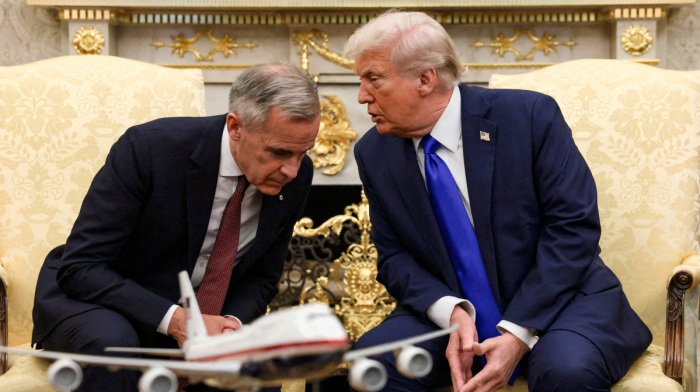
Washington and Ottawa are negotiating an agreement that would ease U.S. tariffs on Canadian steel and autos, according to two U.S. and four Canadian sources, as the neighbours try to mend ties damaged when trade talks collapsed in August.
Russian strikes hit several parts of Ukraine overnight, injuring at least six people and targeting energy and port infrastructure, as President Volodymyr Zelenskyy said U.S. warnings about imminent Russian ballistic missile attacks had resumed.
Download the AnewZ app
You can download the AnewZ application from Play Store and the App Store.












What is your opinion on this topic?
Leave the first comment