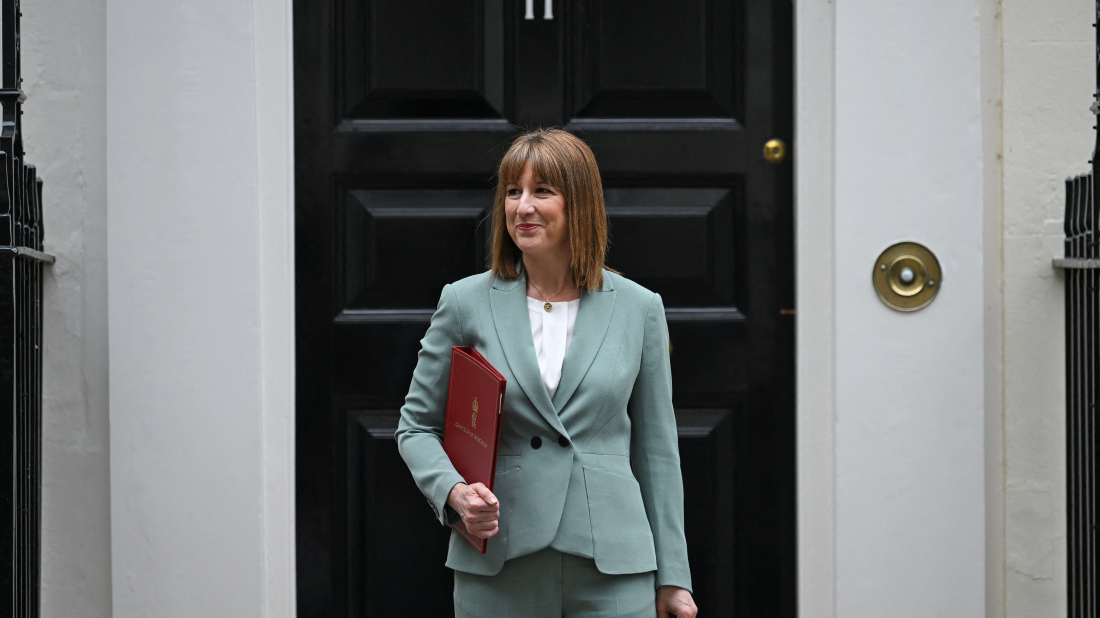
On Wednesday, British Finance Minister Rachel Reeves outlined a strategic spending plan focused on health, defence, and infrastructure in an effort to stimulate economic growth and restore public confidence in the Labour government.
Presenting departmental budgets from 2026 to 2029 and investment frameworks through to 2030, Reeves emphasised that the government's fiscal priorities reflect the interests of "working people".
Reeves highlighted capital investments in housing, transportation, and clean energy as central pillars of Labour's reform agenda. However, with increased allocations for healthcare and defence, other departmental budgets are expected to face tighter constraints.
"These are the priorities of working people, investing in national security, the NHS, and economic growth to ensure a better standard of living", Reeves stated during a robust parliamentary session. She stressed that such choices were only possible due to a commitment to economic stability.
Her fiscal strategy, first introduced in the October budget, includes the largest tax hike in a generation and more flexible borrowing rules to support long-term investments. For Labour's ambitions to materialise, particularly in reviving public services and accelerating growth, the effects of these investments will need to show swiftly.
Under the new plans, departmental spending is set to rise by 2.3% annually in real terms, amounting to an additional £190 billion over what the previous Conservative administration had proposed.
A key initiative unveiled was a £39 billion, decade-long affordable housing programme, nearly doubling current annual investment levels. Reeves also pledged an extra £10 billion to support further home construction in England.
Despite Labour's electoral landslide last July, the party's popularity has waned, and Reeves' approval ratings have dropped, a decline linked to cuts in winter fuel assistance for the elderly and reductions in disability benefits. Though the government has since reversed some of those decisions, it continues to face pressure from the right-wing Reform UK party, led by Nigel Farage, which has recently outperformed Labour in local elections and gained ground in national polls.
Reeves defended her approach, stating: "In both the October and spring budgets, I made the necessary decisions to repair our economic foundations. We are beginning to see those efforts bear fruit".

















What is your opinion on this topic?
Leave the first comment