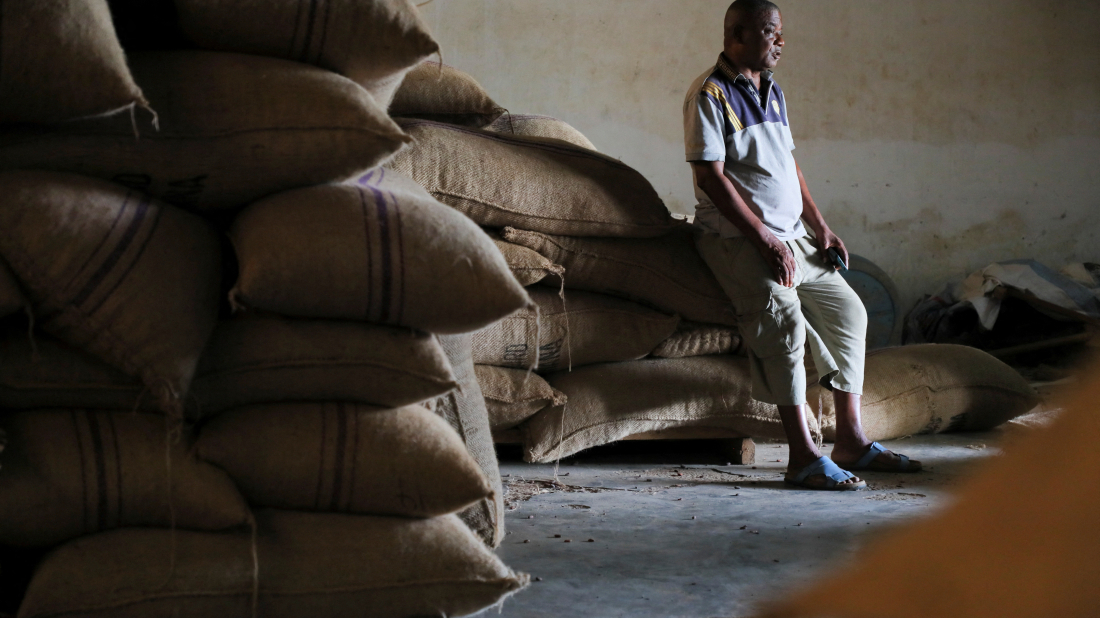
Cocoa farmers in Ghana are expressing frustration over low prices and rising costs, with many hoping the upcoming election will bring changes to the sector. Farmers are calling for higher cocoa prices, better access to fertilisers, and improved working conditions.
Cocoa farmers in Ghana are voicing their frustrations ahead of the country’s presidential election on December 8, with many declaring that the future of their livelihoods and the sector itself will influence their vote. The world’s second-largest cocoa producer is facing significant challenges, and farmers are calling for change.
Joseph Arkoh, a cocoa farmer, spoke candidly about his concerns regarding fertiliser provision. "If they give me fertiliser, I will vote for the NPP," said Arkoh, who had previously voted for the ruling New Patriotic Party (NPP). However, he expressed disappointment that the government had not met his expectations. "If I don’t get it... So by all means, I will change my mind," he added.
Similarly, farmer Alhaji Abdulai Agoswen criticised the government’s cocoa price policy. The current price of 3,100 cedis per 64 kg bag of cocoa is, according to Agoswen, "painful." He argued that Ghana should be paying at least 4,000 cedis per bag to better reflect the global cocoa market prices.
The dissatisfaction among farmers is exacerbated by increasing costs and declining production. Barkisu Abubakari, another cocoa farmer, explained that the expenses involved in running a cocoa farm, from chemicals to labour, are rising, leaving little for reinvestment. "They forget we think ahead. So we say 'okay' to everything they say, but in our minds we know what we are doing," she said, reflecting the widespread discontent with the current state of the industry.
Many farmers also expressed frustration with the government’s failure to tackle the impacts of illegal gold mining, which has devastated large swathes of the cocoa-growing regions. Despite global cocoa prices reaching historic highs, the cedi’s depreciation has left farmer incomes lagging behind, fuelling concerns over smuggling and undermining the sector’s sustainability.
On the political front, cocoa farming has become a key issue in the election. Both major candidates are vying for the cocoa vote. Former President John Dramani Mahama of the opposition National Democratic Congress (NDC) has pledged to address farmers’ concerns, including distributing free fertiliser, improving the management of the state cocoa body, Cocobod, and tackling illegal gold mining. Meanwhile, Mahamudu Bawumia of the ruling NPP has less clearly defined proposals but has touted his party’s efforts in supporting farmers and increasing cocoa prices.
Despite the promises, many industry players are sceptical about whether either candidate’s pledges can reverse the sector’s decline. "We are begging that whoever wins the elections should raise the price," said cocoa farmer Abubakar Jebril. "No cocoa, no Ghana, and we are willing to work to make cocoa sector sustainable but they have to help us," he added, underscoring the importance of the cocoa sector to the country's economy.
As Ghana heads to the polls, cocoa farmers remain hopeful that their voices will be heard and that the next government will address the critical issues facing their industry.












What is your opinion on this topic?
Leave the first comment