China's Foreign Ministry is pushing for a "more mature, stable and fruitful" partnership with Australia. While seeking stronger ties, Beijing offered no details on reports of PM Anthony Albanese visiting this summer.
China's Foreign Ministry today signalled a strong desire for enhanced exchanges and cooperation with Australia, emphasising a commitment to a "more mature, stable and fruitful China-Australia comprehensive strategic partnership." However, Beijing remained tight-lipped on reports of a potential summer visit by Australian Prime Minister Anthony Albanese to meet President Xi Jinping.
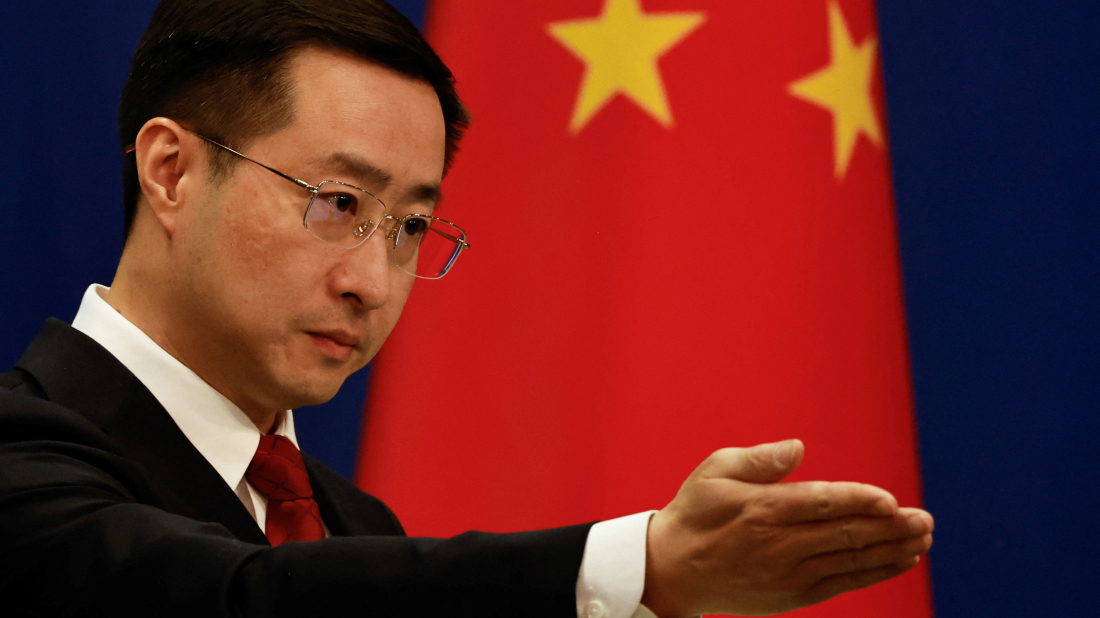
During a regular news briefing, Ministry spokesperson Lin Jian responded to queries about Albanese's reported travel plans by stating, "I don't have any information to provide at the moment on the specific visit you mentioned." Despite the lack of confirmation, Lin's comments underscored Beijing's willingness to foster closer relations with Canberra.
Prime Minister Albanese is expected to travel to Beijing in July or August for trade talks with President Xi. Such a visit would follow Albanese's four-day trip to China in November 2023, which aimed to stabilise the often-strained ties between the two nations.
The relationship between China and Australia has seen a period of cautious recalibration following several years of diplomatic and economic friction. Chinese Premier Li Qiang's visit to Australia in June 2024, the first by a Chinese premier in seven years, was a significant step in this ongoing effort. These high-level exchanges, including Albanese's 2023 visit, indicate a mutual desire to rebuild trust and address areas of divergence.
While economic relations have shown signs of improvement with China lifting restrictions on various Australian exports, including wine and barley, both nations continue to navigate complex geopolitical dynamics. Australia remains committed to its strategic alliances, particularly with the United States, while seeking pragmatic engagement with its largest trading partner, China.
As both countries continue to "feel out what an optimal settling point might look like," as described by analysts, the prospect of another high-level visit from Prime Minister Albanese to China this summer would undoubtedly be a key indicator of the trajectory of this vital bilateral relationship. For now, the specifics of such a trip remain unconfirmed, but the underlying message from Beijing points towards a desire for deeper engagement.
















What is your opinion on this topic?
Leave the first comment