Aliyev highlights Azerbaijan’s gas exports and renewable ambitions at energy council meeting
Azerbaijan’s President Ilham Aliyev highlighted the country’s expanding gas exports to Europe and its ...
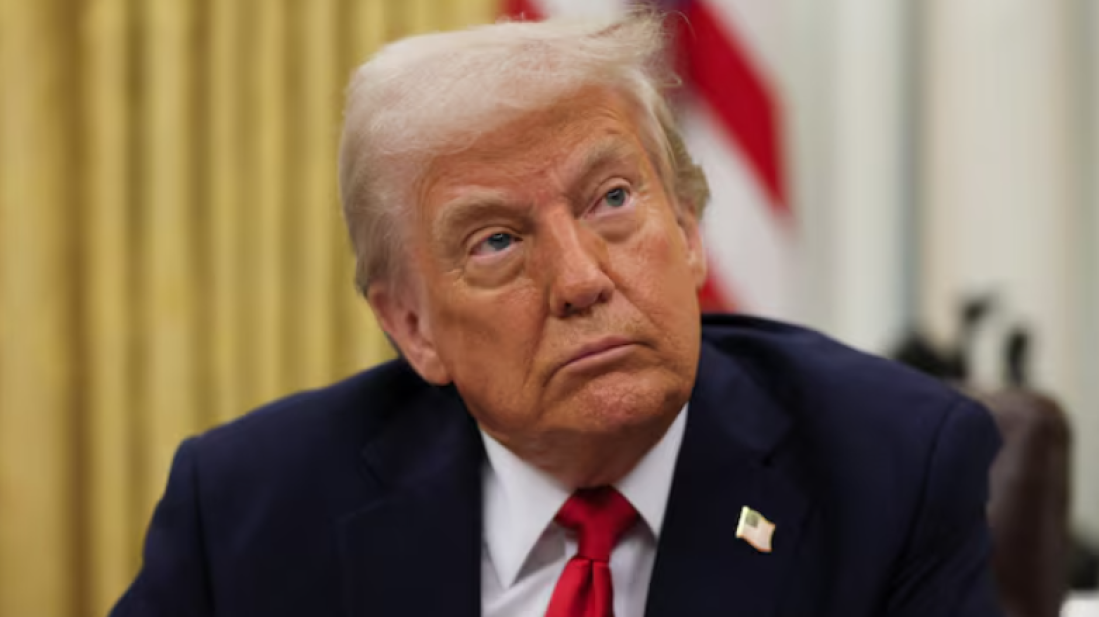
U.S. President Donald Trump has signed a proclamation banning citizens of 12 countries from entering the U.S., citing security threats. The order takes effect on June 9 and will not affect visas issued before that date.
U.S. President Donald Trump announced a sweeping travel restriction targeting citizens of 12 countries, asserting that the measure is necessary to protect the United States from potential terrorist threats and other security risks.
The countries now facing a complete entry ban include Afghanistan, Myanmar, Chad, the Democratic Republic of the Congo, Equatorial Guinea, Eritrea, Haiti, Iran, Libya, Somalia, Sudan, and Yemen. Additionally, the entry of nationals from seven more countries - Burundi, Cuba, Laos, Sierra Leone, Togo, Turkmenistan, and Venezuela - will be subject to partial restrictions.
In a statement issued from the White House, Trump emphasized that the list remains fluid and may be revised depending on whether affected countries demonstrate “material improvements” in areas such as information-sharing, border security, and counterterrorism cooperation. “Likewise, new countries can be added as threats emerge around the world,” he added.
The new rules will come into force on June 9. According to the proclamation, visas already issued to individuals from the listed countries will remain valid and will not be revoked.

U.S. President Donald Trump said the U.S. military has enough stockpiled weapons to fight wars "forever"; in a social media post late on Monday. The remarks came hours before conflict in Iran and the Middle East entered its fourth day.
U.S. first lady, Melania Trump chaired a UN Security Council meeting on children and education in conflict on Monday (2 March), a move criticised by Iran as hypocritical following U.S. and Israeli strikes that triggered a UN warning about risks to children.
China’s Foreign Minister Wang Yi has held talks with his Russian counterpart Sergei Lavrov following recent military strikes carried out by the United States and Israel on targets in Iran, as tensions in the Middle East continue to rise.
A torpedo from a U.S. submarine has sunk an Iranian warship off the coast of Sri Lanka, U.S. Secretary of Defense, Pete Hegseth told reporters. The Sri Lankan navy carried out a rescue operation for dozens of sailors in the wake of the strike.
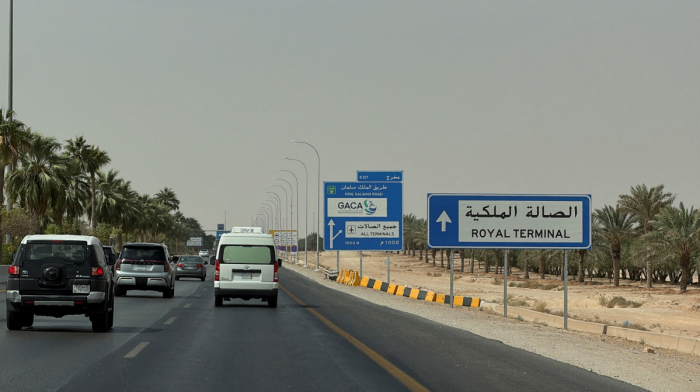
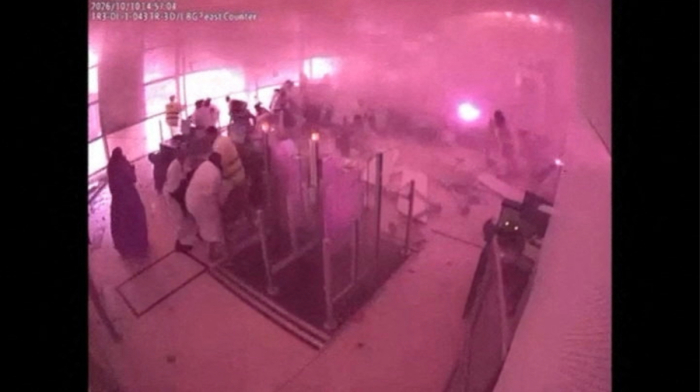
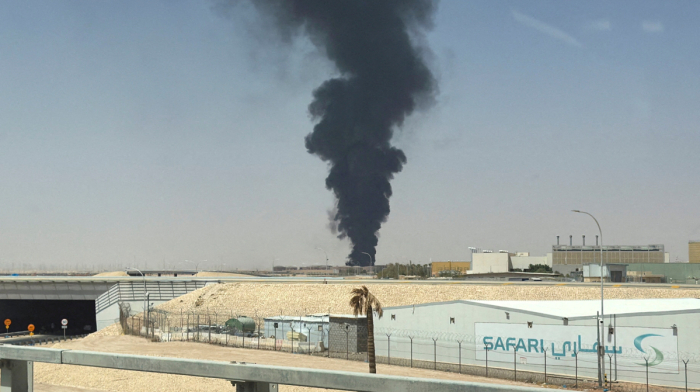
The U.S. embassy in Riyadh was hit by two drones resulting in a limited fire and some material damage, the kingdom's defence ministry said in a post on X on Tuesday, citing an initial assessment.
Start your day informed with AnewZ Morning Brief. Here are the top news stories for the 4th of February, covering the latest developments you need to know.
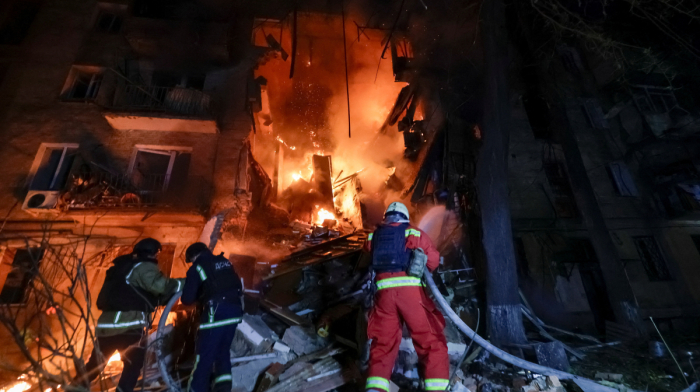
Strikes across the Middle East are intensifying, fuelling travel disruption, driving up global energy prices and forcing diplomatic missions to shut their doors.
U.S. President Donald Trump has said the United States has a “virtually unlimited supply” of munitions and is capable of sustaining military action indefinitely, as the conflict with Iran entered its fourth day.
The United Nations has called for an investigation into a deadly attack on a girls’ primary school in Iran, which Iranian officials say has killed more than 100 children. The U.S. has said its forces “would not” deliberately target a school.
U.S. first lady, Melania Trump chaired a UN Security Council meeting on children and education in conflict on Monday (2 March), a move criticised by Iran as hypocritical following U.S. and Israeli strikes that triggered a UN warning about risks to children.
You can download the AnewZ application from Play Store and the App Store.
What is your opinion on this topic?
Leave the first comment