



18:20 CET
Gaza war
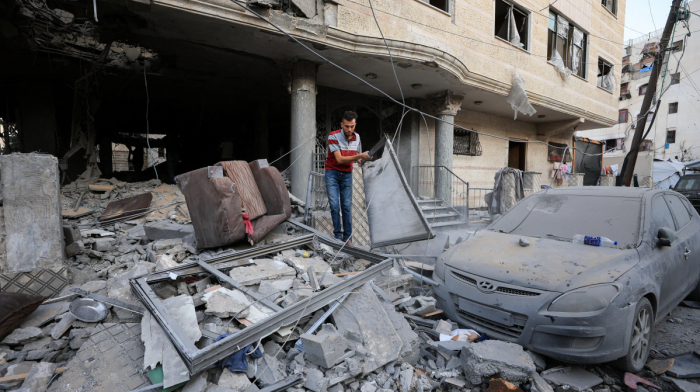
Israeli strike kills five in Gaza, including four women, health officials say
An Israeli air...


Latvia, Colombia, Liberia, Congo, and Bahrain—have been elected to the United Nations Security Council in an uncontested vote.
Each will serve a two-year term starting January 1, 2026, replacing Algeria, Guyana, Sierra Leone, South Korea, and Slovenia.
Latvia joins the Council for the first time in its history. Foreign Minister Baiba Braže said the country’s past under Soviet rule gives it a unique perspective on freedom, peace, and support for Ukraine. “We know the fragility of peace,” she said after the vote on Tuesday, June 3.
Liberia returns to the Council for the first time since 1961. Deputy Foreign Minister Deweh Gray said the country will champion Africa’s common position and address global issues including conflict, inequality, and climate change.
Congo, now entering its third term, promised to bring lessons from its long-running conflicts and experience with UN peacekeeping. Foreign Minister Thérèse Wagner said the vote reflects Africa’s unity and rightful role in shaping global peace efforts.
Colombia will push for human rights and environmental protection. Ambassador Leonor Zalabata called for global unity and said Colombia will continue its work “in harmony with nature.”
Bahrain, which last served on the Council in 1998, will represent the Arab world.
The UN Security Council, made up of 15 members, holds primary responsibility for maintaining international peace and security.

An Israeli air...
The co-...

A major bridge across the Dnipro river in Kyiv was hit in a Russian air attack on Saturday, the city's mayor, Vitali Klitschko said, as strikes...

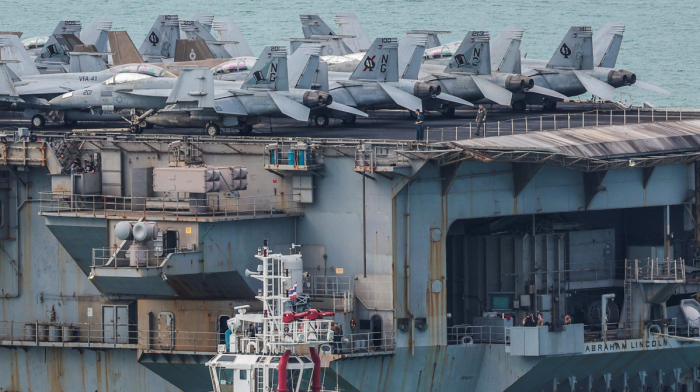
Yemen's air force carried out 20 strikes on Houthi targets earlier on Friday, Brigadier General Majid Abdullah Al-Nuzaili, Spokesman for the Yemeni Armed Forces, said. Meanwhile, the Iran-backed Houthis denied targeting a power plant supplying energy to a mosque in Medina, Saudi Arabia.
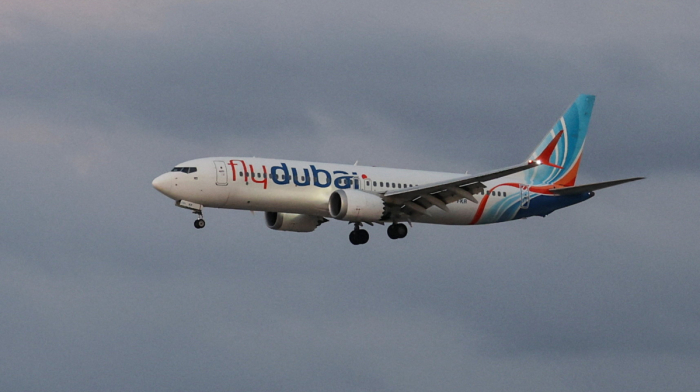
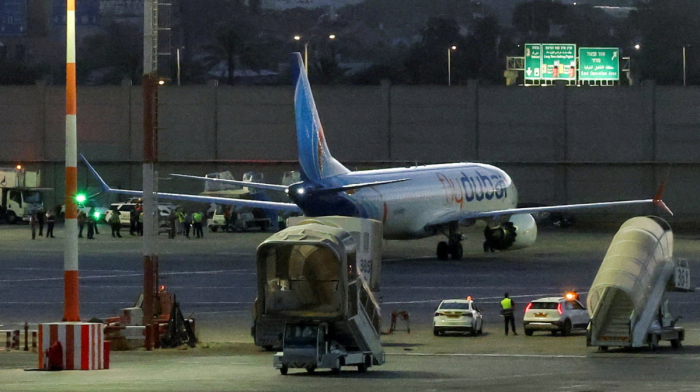
Hammam al-Hammami, the Flydubai co-pilot accused of stabbing the captain of an Israel-bound flight on Wednesday in a suspected terrorist attack, was banned from flying by Oman over concerns about his radical views, U.S. media reported on Friday, citing people familiar with the matter.
The co-pilot of Israel bound flydubai flight attempted to carry out a “terrorist attack” with an axe during the flight, the United Arab Emirates prosecutor general said on Saturday.
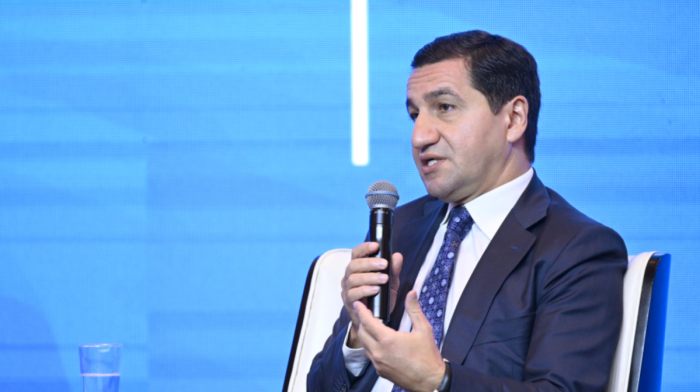
Azerbaijan and Armenia will sign a final peace agreement once Armenia amends its constitution to remove territorial claims against Azerbaijan, Hikmat Hajiyev, Assistant to Azerbaijan’s President Ilham Aliyev, has said.

Two Iranian nationals have been charged in Britain with preparing a suspected terrorist attack targeting the Jewish community in northern England, police said on Friday (2 October).
A major bridge across the Dnipro river in Kyiv was hit in a Russian air attack on Saturday, the city's mayor, Vitali Klitschko said, as strikes on the capital's infrastructure continue.
Hammam al-Hammami, the Flydubai co-pilot accused of stabbing the captain of an Israel-bound flight on Wednesday in a suspected terrorist attack, was banned from flying by Oman over concerns about his radical views, U.S. media reported on Friday, citing people familiar with the matter.

A U.S. federal appeals court has temporarily halted Minnesota’s ban on AI-generated fake nude images after Elon Musk’s xAI challenged the law as unconstitutional.
Two Iranian nationals have been charged in Britain with preparing a suspected terrorist attack targeting the Jewish community in northern England, police said on Friday (2 October).
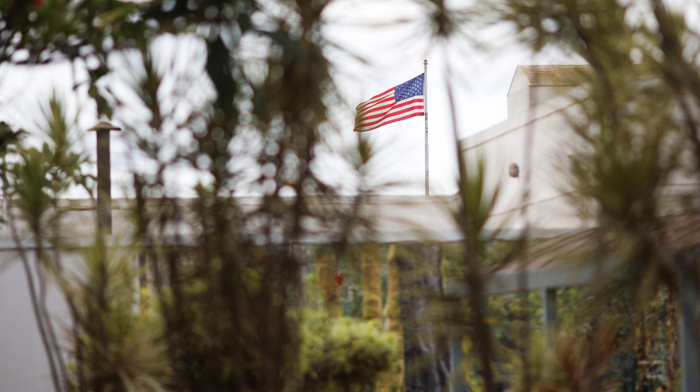
The United States suspended consular services at its embassy and consulates in Brazil on Friday over unspecified security concerns, prompting Australia to close its embassy in Brasília two days before the country's presidential election.
You can download the AnewZ application from Play Store and the App Store.




What is your opinion on this topic?
Leave the first comment