live Yemen warns Houthis seek to replicate Iran's Hormuz strategy in Red Sea
Yemen warned the Houthis were seeking to replicate Iran's Strait of Hormuz strategy in the Red Sea, as U.S. President Donald Trump said there was a "g...
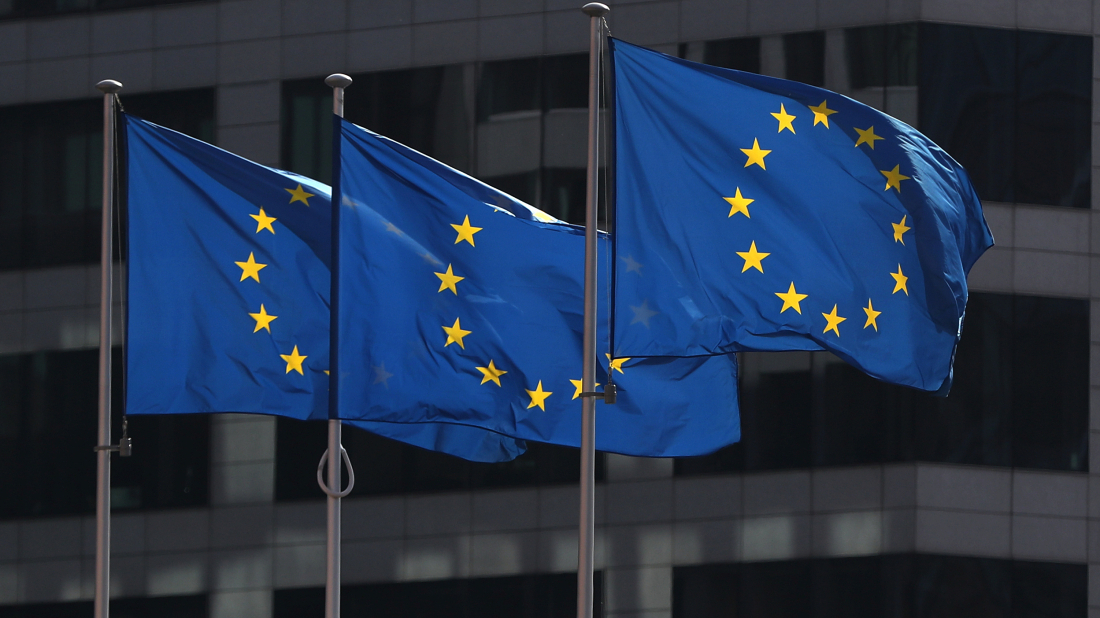
The European Union has adopted four new sanctions packages against Russia—its 17th targeting Moscow’s shadow oil fleet—as part of ongoing efforts to tighten pressure over the war in Ukraine.
The measures affect over 130 individuals and entities, including Russian oil major Surgutneftegaz, shipping insurers, and four shadow fleet operators based in the UAE, Turkey, and Hong Kong. An additional 189 vessels, mostly oil tankers, were blacklisted—raising the total number of sanctioned ships to 324.
The EU aims to block efforts to bypass the G7 price cap on Russian oil, which bars Western-insured shipments above $60 per barrel. Brussels is also pushing to lower the cap at this week’s G7 finance ministers' meeting in Canada.
While a move to sanction Litasco’s Dubai branch was dropped due to Hungarian opposition, its affiliated Eiger Shipping DMCC was included in the final list.
The bloc also intensified scrutiny on tankers using “flags of convenience” from countries such as Sierra Leone, Gabon, Comoros, India, Azerbaijan, San Marino, and various Caribbean and Pacific island nations.
In parallel, new restrictions were placed on dual-use exports—items that could support Russia’s military sector. Entities in China, Belarus, and Israel were named for allegedly aiding Russia’s military-industrial complex.
EU officials confirmed that sanctions will continue and said work on an 18th sanctions package is already underway.

U.S. President Donald Trump said on Monday that there is a good chance” of reaching a deal with Iran, but warned that Washington would resume military operation if negotiations fail.
Iran will halt its own attacks as long as the United States maintains its pause on strikes, but Tehran remains sceptical of U.S. intentions, a senior Iranian source told on Sunday.
The Russia-Ukraine war is increasingly reshaping the Caspian region. From threats to energy infrastructure to renewed diplomatic efforts, countries across the region are adapting to the wider consequences of a conflict that continues to disrupt trade, transport and security.
Yemen warned the Houthis were seeking to replicate Iran's Strait of Hormuz strategy in the Red Sea, as U.S. President Donald Trump said there was a "good chance" of a deal with Tehran but warned strikes could resume if talks failed.
A New York school district has put plans to introduce a humanoid robot into classrooms on hold after fierce criticism from teachers, Indigenous community members and state education officials over the use of artificial intelligence in schools.
Ukrainian President Volodymyr Zelenskyy said he held a productive meeting with U.S. President Donald Trump at the White House on Tuesday, with talks focusing on air defence cooperation and efforts to advance diplomatic negotiations.
The diplomatic dispute over France's overseas territories is widening, with pro-independence leaders in the Caribbean and the Pacific rejecting claims by French lawmakers that Azerbaijan is interfering in France's internal affairs.
U.S. diplomats walked out of a UN Security Council meeting on Ukraine after accusing France of making "disingenuous grandstanding" by comparing Washington with North Korea, Russia and other authoritarian states.
Meteorologists in China have used a swarm of drones to observe Typhoon Noul as it passed through Guangdong province, aiming to improve weather monitoring and forecasting during extreme storms.
Tehran has stressed that its commercial vessel hit by a Ukrainian drone in the Caspian Sea on Saturday was carrying only civilian cargo and vowed to respond appropriately while holding Kyiv responsible for the attack.
You can download the AnewZ application from Play Store and the App Store.
What is your opinion on this topic?
Leave the first comment