Estonian Defense Minister Hanno Pevkur warns that Russia will likely shift its forces after the Ukraine war, posing a greater threat to NATO. He emphasizes Estonia's strong preparedness, including increased defense spending and rapid mobilization.
BILD: "German Defense Minister Boris Pistorius says Russia could attack NATO as early as 2029. They are on the front lines. Are you afraid of a Russian attack?"
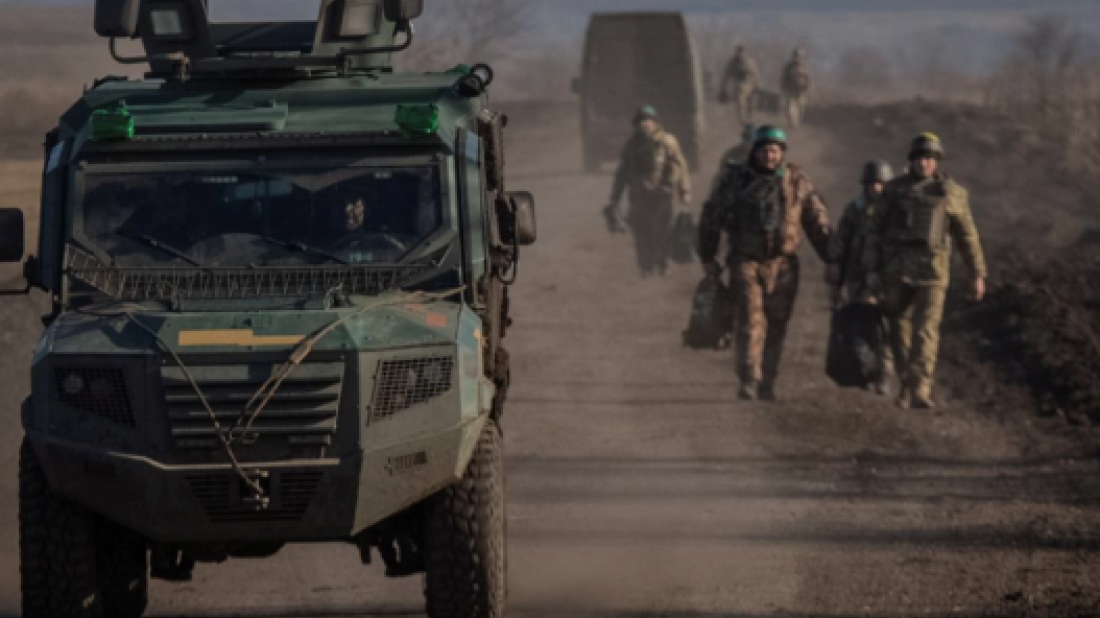
Hanno Pevkur: "If I were afraid of Russia, I wouldn’t be sitting here as a defense minister. I am not afraid of Russia, but I am pragmatic. I look at the information provided by our experts, intelligence, and allies. The reality is that once the war in Ukraine ends, Russia will redistribute its forces. According to their plan, they want to increase their military personnel to 1.5 million. They’re strengthening many divisions in our neighborhood, bringing in new equipment, tanks, and combat helicopters. We must respond to this—together with our allies. That’s why Estonia will increase defense spending to 5.4% by 2026. That’s why we’re currently conducting the largest NATO exercise with 18,000 soldiers. That’s why we’re investing heavily in new capabilities."
"The 800,000 Russian soldiers in Ukraine will not just go home"
BILD: You say that when the war in Ukraine ends, Russia will redistribute its forces, and in the worst case, might attack Estonia. Does that mean you’re not happy about the discussions surrounding a potential peace agreement?
Pevkur: "Of course, we all want the war to end. But we also understand that the roughly 800,000 Russian soldiers in Ukraine will not just go home to live on 200 euros a month. They’re probably still being paid by the Russian army, currently earning between 2,000 and 3,000 euros a month. This means that the threat to us will rise if the fighting in Ukraine ends."
BILD: Given this, is Estonia, as a small country, prepared for a possible Russian attack?
Pevkur: "I believe Estonia is one of the best-prepared countries in NATO. We have mandatory military service, a war structure with nearly 44,000 soldiers. We can mobilize this combat division in less than 48 hours. I know few countries that can mobilize such forces so quickly. Plus, we have 32 allies today, and together we have much more firepower than Russia."
"Better to spend 5% on peace than 20% in war"
BILD: You mentioned a 5.4% defense budget for next year. That’s more than three times what Germany spends. How do you manage this? Where do you save money? And how do you explain this to your people?
Pevkur: "Honesty is the most important thing. We openly say that the Russian threat is real. We can’t hide that. Reaching 5.4% wasn’t easy; it required tough decisions. We’ve made cuts in many areas and introduced a so-called security tax. It’s tough for society, but we all understand that it’s much cheaper to invest 5% in peace today than to spend 20% in war or even have to fight."










What is your opinion on this topic?
Leave the first comment