UK Prime Minister meets China's Xi in bid to reset strained ties
UK Prime Minister Keir Starmer met Chinese President Xi Jinping in Beijing on Thursday (29 January) for talks he hopes will deepen economic ties, sign...
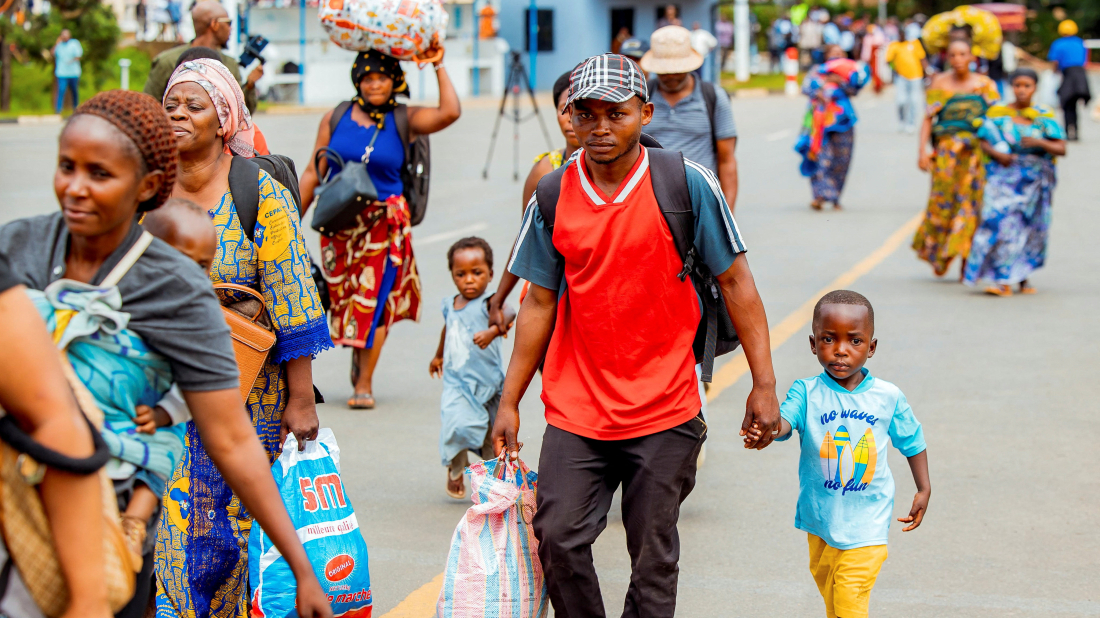
Hundreds of Rwandans who fled during the 1994 genocide have returned home from eastern Congo, the UN refugee agency said Saturday, as violence escalates in the region.
The UNHCR said 360 refugees — mostly women and children — were repatriated in buses provided by Rwandan authorities. Aid workers from Save the Children and local officials helped oversee the transfer. The group is part of a larger plan to return 2,000 Rwandan nationals.
“We are happy to welcome our compatriots. They are a valuable workforce for the country’s development,” said Prosper Mulindwa, the mayor of Rubavu, at a border ceremony.
The returnees are being taken to a transit center where they will receive support and reintegration assistance.
Many fled Rwanda in 1994 during the genocide, when extremist Hutu forces killed up to a million Tutsis and moderate Hutus. Although most returned in the late 1990s, thousands remained in Congo. Some later joined armed groups that continue to destabilize eastern Congo.
Recent advances by the Rwanda-backed M23 rebel group — reportedly supported by 4,000 Rwandan troops, according to UN experts — have intensified the conflict and deepened the humanitarian crisis.
The repatriation is part of a longstanding agreement between Rwanda, Congo and the UNHCR. Rwandan officials say more than 101,000 refugees have returned since the pact was signed, including over 1,500 so far this year.

France’s National Assembly has approved a bill banning access to social media for children under 15, a move backed by President Emmanuel Macron and the government as part of efforts to protect teenagers’ mental and physical health.
The S&P 500 edged to a record closing high on Tuesday, marking its fifth consecutive day of gains, as strong advances in technology stocks offset a sharp selloff in healthcare shares and a mixed batch of corporate earnings.
Sanctions are a long-used tool designed as an alternative to military force and with the objective of changing governments’ behaviour, but they also end up hurting civilian citizens.
A routine military training exercise turned into a major recovery mission this week after a catastrophic mudslide swept through a hillside in West Java, Indonesia.
Residents in Syria’s Kurdish-majority city of Qamishli have stepped up volunteer patrols amid growing pressure from the country’s Islamist-led government, expressing deep mistrust of Damascus despite a fragile U.S.-backed ceasefire.
UK Prime Minister Keir Starmer met Chinese President Xi Jinping in Beijing on Thursday (29 January) for talks he hopes will deepen economic ties, signalling a potential breakthrough after years of strained relations.
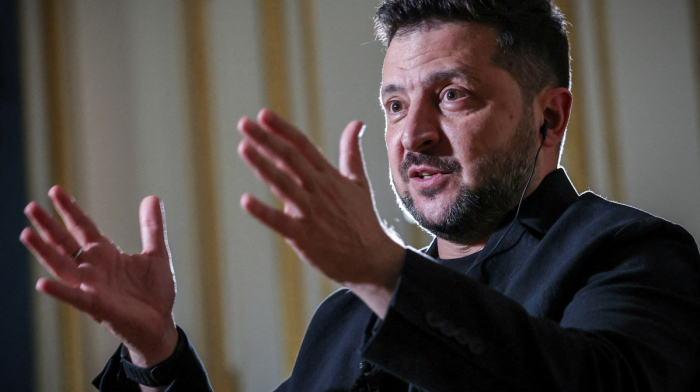
U.S. President Donald Trump urged Iran on Wednesday (28 January) to come to the table and make a deal on nuclear weapons or the next U.S. attack would be far worse. Tehran responded with a threat to strike back against the United States.
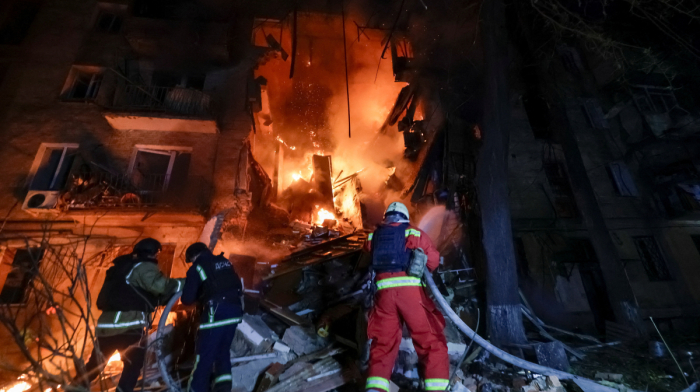
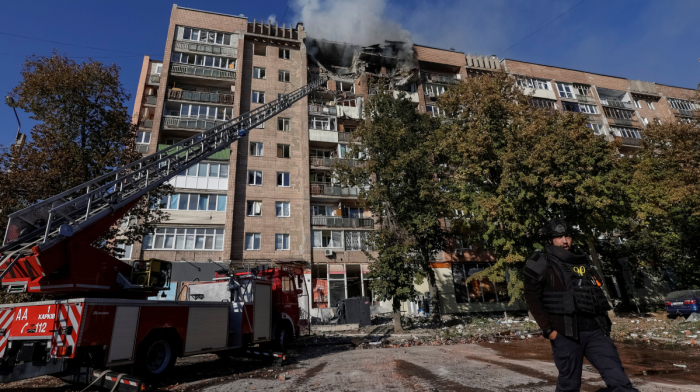
Life will be particularly tough for Ukrainians over the next three weeks due to plunging temperatures and a compromised energy infrastructure that has been pummeled by intense Russian attacks, depriving millions of light and heat, a senior lawmaker said on Wednesday.
Storm Kristin has killed at least three people and left more than 800,000 residents without electricity across central and northern Portugal, as violent winds, heavy rain and snowfall battered the country before moving into Spain.
New York City Mayor Zohran Mamdani has called for tax increases on the city’s wealthiest residents and most profitable corporations, warning that the city is facing a fiscal crisis on a scale greater than the Great Recession.
You can download the AnewZ application from Play Store and the App Store.
What is your opinion on this topic?
Leave the first comment