U.S.-Israeli strikes on Iran: What we know so far
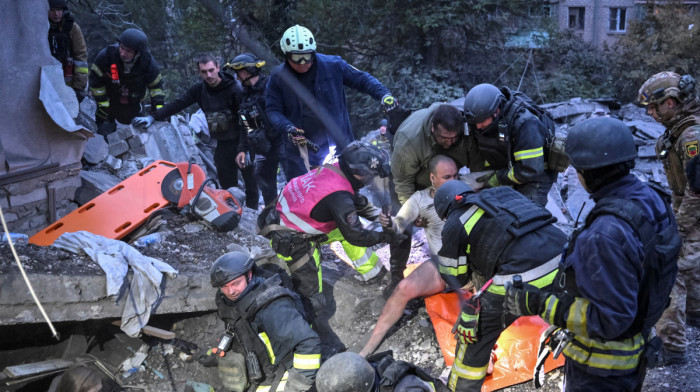
The United States and Israel have carried out large-scale strikes on Iranian leadership and military targets, with Iranian state media confirming t...
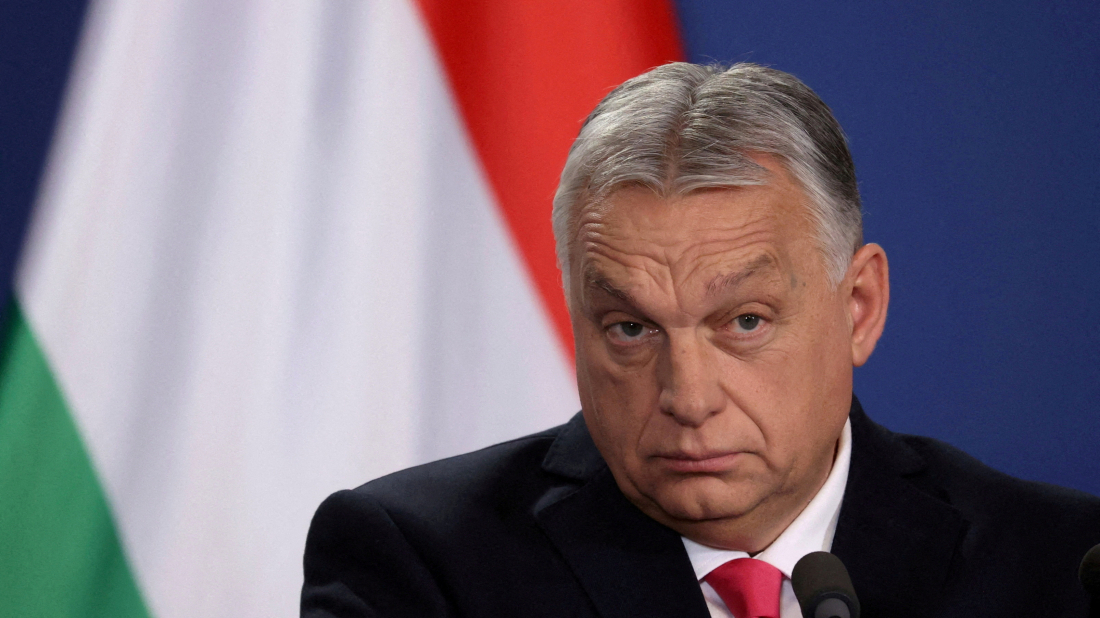
Hungary’s parliament is reviewing a bill that would give authorities sweeping powers to monitor, penalize, or ban groups accused of threatening national sovereignty through foreign funding.
The proposed law, introduced by a member of Prime Minister Viktor Orbán’s ruling Fidesz party, would expand the powers of the country’s sovereignty protection office. It targets organizations that receive foreign donations while engaging in public life — including media outlets and NGOs — and defines “threats” broadly, including actions that challenge Hungary’s “constitutional identity” or “Christian culture.”
Opposition lawmakers warn the legislation could be used to silence all independent media and civil society groups.
If passed, the law would allow authorities to inspect the finances, documents, and devices of targeted organizations, bar them from receiving taxpayer-directed donations, and impose fines up to 25 times the foreign funds received. Repeat offenders could be shut down entirely.
Fidesz, which holds a two-thirds majority, is expected to pass the bill. It follows Orbán’s recent pledge to dismantle foreign-funded groups he described as undermining Hungary’s interests.

Follow the latest developments and global reaction after the U.S. and Israel launched “major combat operations” in Iran, prompting retaliation from Tehran.
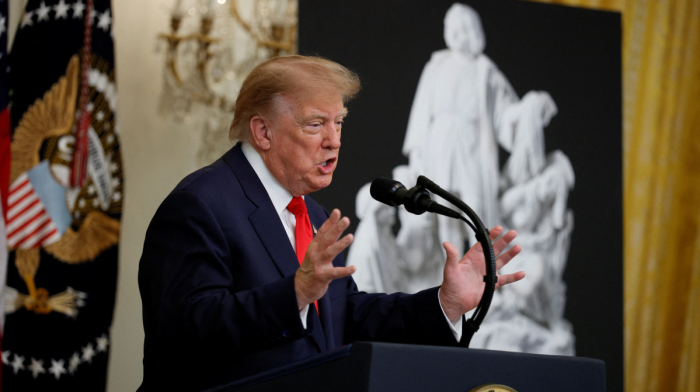
Tensions between the U.S. and Iran are escalating, with Washington ordering a significant military build-up in the region and multiple countries evacuating diplomatic staff amid fears of further instability.
Governments across the region responded swiftly to Israel’s strikes on Iran, closing airspace, issuing travel advisories and activating contingency plans amid fears of escalation.
A senior Iranian official has warned Israel to “prepare for what is coming”, insisting that Tehran’s response to the latest escalation in the Middle East will be made openly and without limits.
Ayatollah Alireza Arafi has moved into a pivotal constitutional role following the death of Supreme Leader Ayatollah Ali Khamenei, becoming the clerical member of Iran’s temporary leadership council under Article 111 of the Constitution of the Islamic Republic of Iran.
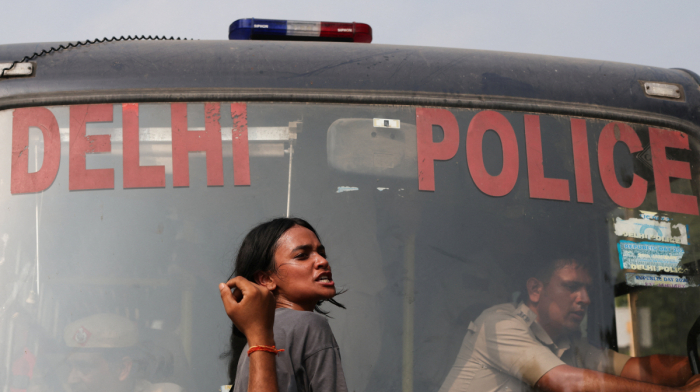
Protests broke out in Pakistan and Iraq on Sunday after Iranian state media confirmed that Supreme Leader Ayatollah Ali Khamenei had been killed in joint U.S.–Israeli strikes. At least nine people were reported dead in clashes near the U.S. consulate in Karachi.
Afghanistan said it had fired at Pakistani aircraft over Kabul after explosions and gunfire rocked the capital early on Sunday, marking a sharp escalation in fighting between the two neighbours.
A senior Iranian official has warned Israel to “prepare for what is coming”, insisting that Tehran’s response to the latest escalation in the Middle East will be made openly and without limits.
Cuba has released extensive details of a deadly midweek shootout at sea, showing rifles, pistols and nearly 13,000 rounds of ammunition that it says were carried by a group of exiles who attempted to enter the island by speedboat.
Afghanistan’s Taliban rulers said on Friday (27 February) they were ready to negotiate after Pakistan bombed their forces in several Afghan cities, including Kabul and Kandahar, and Islamabad declared the neighbours were now in "open war".
You can download the AnewZ application from Play Store and the App Store.
What is your opinion on this topic?
Leave the first comment