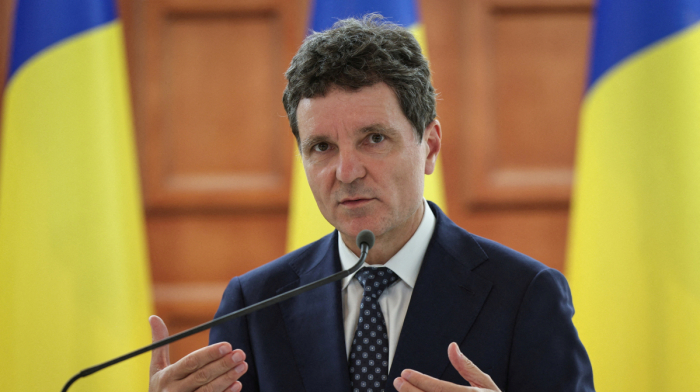
Pashinyan advances roadmap to reform Armenian Apostolic Church
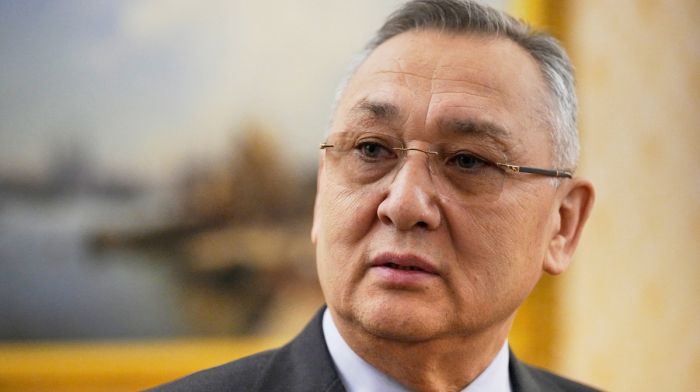
Armenian Prime Minister Nikol Pashinyan has moved to advance reforms of the Armenian Apostolic Church, signing a controversial roadmap with ten senior...
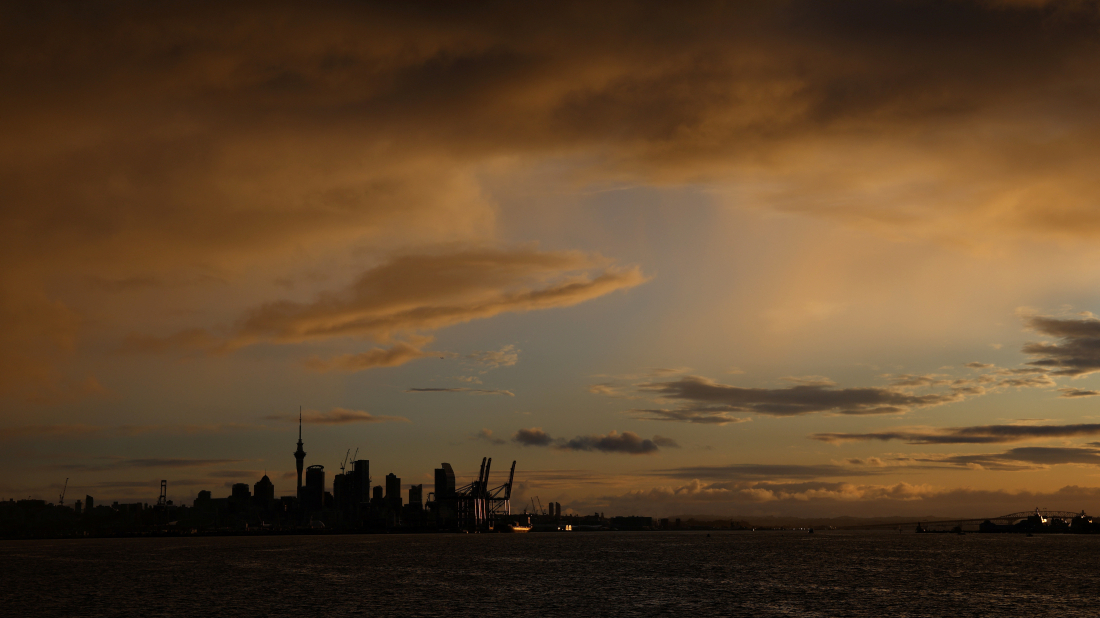
New Zealand’s intelligence agency has warned the country is facing its toughest security challenges in decades, with foreign interference and espionage from states including China, Russia, and Iran.
In its annual Security Threat Environment report released on Thursday, the Security Intelligence Service (SIS) said there was almost certainly undetected espionage harming national interests. The agency highlighted that critical organisations, infrastructure, and technologies were being targeted to steal sensitive information.
“Some states, including China, Russia and Iran, are willing to engage in covert or deceptive activity to influence decisions or gain access to technology,” the report noted. It added that China has been “assertive and powerful” in the region, with both the capability and willingness to target New Zealand’s national interests.
The Chinese Embassy in Wellington dismissed the findings, calling them “unsubstantiated and groundless” and accusing New Zealand of adopting a Cold War mentality. It said Beijing regards Wellington as a partner, but would “take firm measures” to protect its interests if necessary.
The warning comes as New Zealand, a member of the Five Eyes intelligence alliance, commits NZ$2.7 billion ($1.6 billion) to strengthen its defence force amid rising regional tensions.
SIS Director-General Andrew Hampton said the threats “need to be taken much more seriously than they are currently,” stressing that the deteriorating environment has direct consequences for the country’s safety.
The report also flagged violent extremism as an emerging danger, with lone actors radicalised online seen as the most plausible threat. It warned that grievances and polarising debates in online spaces were “almost certainly” fuelling extremist ideologies.

Turkish President Recep Tayyip Erdoğan has warned that the Russia-Ukraine war is now threatening trade in the Black Sea.
Teenagers as young as 14 and 15 years old were among those who died in the bar fire on New Year's Eve that killed 40 people in Switzerland, police said on Sunday.
North Korea fired a ballistic missile into the East Sea, according to South Korea and Japan, as regional diplomacy and security concerns remain in focus.
The United States launched an overnight military operation in Venezuela and captured its long-serving President Nicolás Maduro on Saturday, U.S. President Donald Trump said, pledging to place the country under temporary American control and signalling that U.S. forces could be deployed if necessary.
The UN Security Council will hold an emergency meeting Monday to discuss the U.S. operation in Venezuela.
Start your day informed with AnewZ Morning Brief: here are the top news stories for the 5th of January, covering the latest developments you need to know.
Taiwan has reported an unprecedented surge in cyberattacks originating from China, with an average of 2.63 million incidents a day recorded throughout 2025, according to a new government report.
World leaders and organisations have responded strongly to the United States’ military operation in Venezuela that resulted in the capture and departure of President Nicolás Maduro. Many condemn the action as a breach of international law and calling for restraint and peaceful resolution.
U.S. President Donald Trump said on Sunday (4 January) that the United States could carry out further military action in Venezuela following the capture of President Nicolás Maduro. Speaking to reporters aboard Air Force One, he said Washington now effectively controls the country.
Swiss police have confirmed that all 40 victims of the New Year’s Eve fire at a bar in the mountain resort of Crans-Montana have now been identified, with more than half of those killed being teenagers.
You can download the AnewZ application from Play Store and the App Store.
What is your opinion on this topic?
Leave the first comment