Xi’s rare gesture to Macron highlights EU-China diplomatic focus
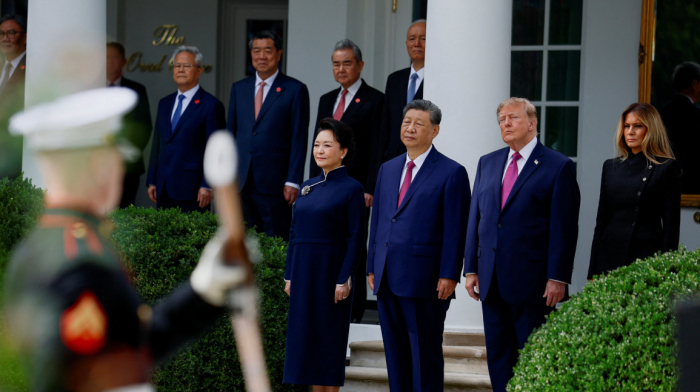
Chinese leader Xi Jinping accompanied French President Emmanuel Macron to Chengdu on Friday, a rare gesture seemingly reserved for the head of Europe'...
Twelve European Union member states have asked Brussels to trigger the “national escape clause” in EU fiscal rules, aiming to raise defence spending without facing budget penalties, the European Commission said on Wednesday.
The clause would allow countries to exceed the usual 3% deficit threshold, granting them room to increase defence budgets by up to 1.5% of GDP annually over four years. The proposal comes amid growing pressure to strengthen Europe's military capabilities.
Countries making the request include Belgium, Denmark, Estonia, Finland, Germany, Greece, Hungary, Latvia, Poland, Portugal, Slovakia and Slovenia. A spokesperson for the Polish EU Council presidency said four more nations plan to apply soon.
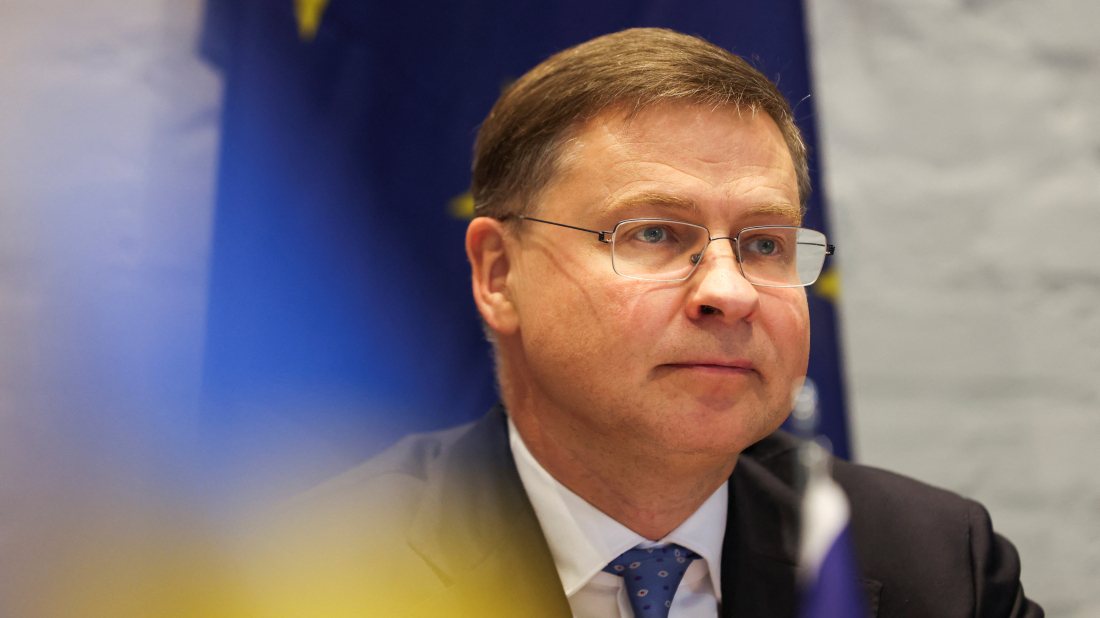
The Commission will now review each submission. Economy Commissioner Valdis Dombrovskis said the goal is to support higher defence investment while ensuring fiscal responsibility.
The move reflects a shift in EU priorities as geopolitical risks mount and defence becomes a growing part of national budgets.

For nearly three decades following the dissolution of the Soviet Union, the international system was defined by a singular, overwhelming reality: American unipolarity.
Chinese scientists have unveiled a new gene-editing therapy that they say could lead to a functional cure for HIV, making it one of the most promising developments in decades of global research.
Faced with mounting public outrage following one of the deadliest environmental disasters in the nation’s recent history, the Indonesian government has pledged to investigate and potentially shut down mining operations found to have contributed to the catastrophic flooding on Sumatra.
Israel was cleared on Thursday to participate in the 2026 Eurovision Song Contest, a decision made by the organisers, the European Broadcasting Union (EBU), which sparked a major controversy.
Britain’s King Charles III welcomed German President Frank-Walter Steinmeier on Wednesday, marking the beginning of his three-day state visit to the United Kingdom. The visit, the first by a German President to the UK in 27 years, comes as the two countries continue to strengthen ties post-Brexit.
Chinese leader Xi Jinping accompanied French President Emmanuel Macron to Chengdu on Friday, a rare gesture seemingly reserved for the head of Europe's second-largest economy that highlights Beijing's focus on Paris in its ties with the European Union.
A record-breaking flotilla of Chinese warships and coast guard vessels has surged into strategic waterways across East Asia this week, triggering high-level alarms in Taipei and Tokyo as regional powers grapple with Beijing’s largest-ever maritime projection of force.
Former EU foreign policy chief Federica Mogherini has resigned as rector of the College of Europe amidst an ongoing fraud investigation, according to a statement released on Thursday.
Start your day informed with AnewZ Morning Brief: here are the top news stories for the 5th of December, covering the latest developments you need to know.
The United States plans to extend its travel ban to over 30 countries, U.S. Homeland Security Secretary Kristi Noem announced on Thursday.
You can download the AnewZ application from Play Store and the App Store.
What is your opinion on this topic?
Leave the first comment