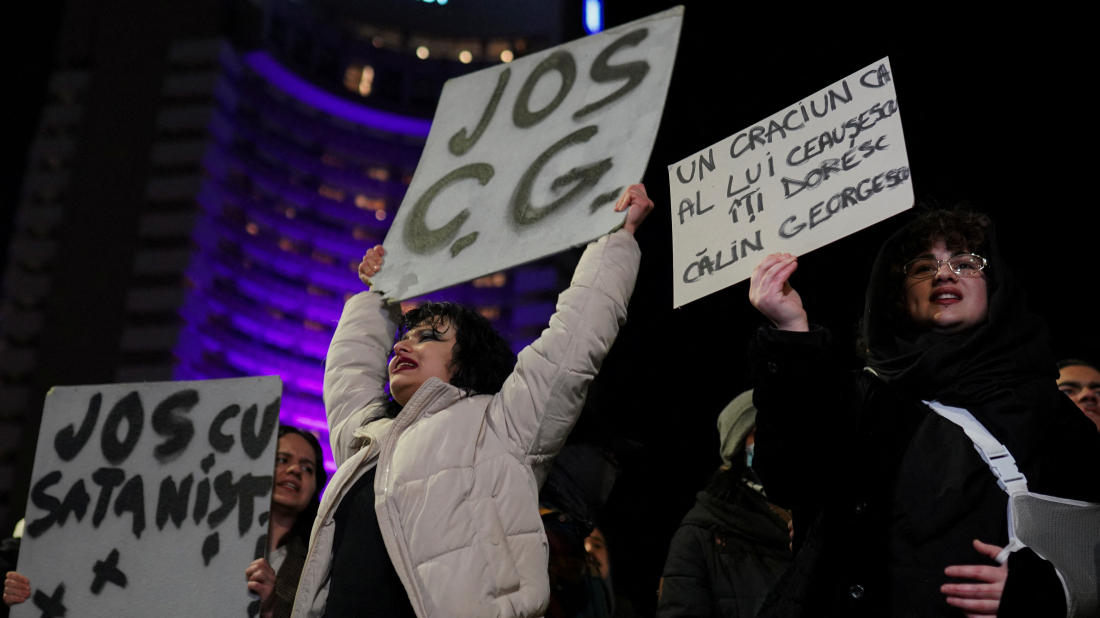
Calin Georgescu's surprise success in Romania's presidential election, with nearly 23% of the vote, has raised concerns about the country's future foreign policy ahead of the December 8 runoff.
Calin Georgescu, a vocal critic of NATO and a supporter of Russia, secured almost 23 percent of the vote in the first round of the election, defying pre-election predictions where he had polled in the low single digits.
His surprise success has raised concerns about Romania's future foreign policy, as he faces a second-round runoff against centre-right opposition leader Elena Lasconi, who garnered around 19 percent of the vote.
The protest, organised through social media platforms, saw hundreds of students gather to express their opposition to Georgescu.
"I'm here because I believe in democracy. I believe that people should have a say in what's happening in their country. And I believe that going back to 35 years ago is not a solution to the problems we are facing right now," Georgescu said.
In response to the criticisms, Georgescu addressed: "I am accused of extremism, of being connected with close or far countries. It is totally false. I am completely dedicated, with all my heart and all my life, to the Romanian people."
The outcome of the second round of the election on 8 December could potentially shift Romania's political trajectory and challenge its pro-Western stance.
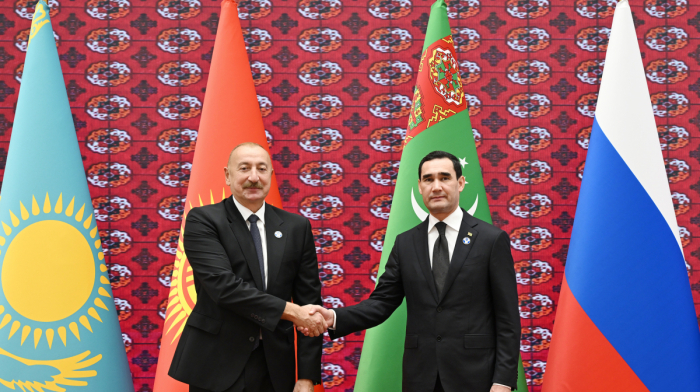
Leaders of countries from the Commonwealth of Independent States (CIS) have agreed to hold coordinated population censuses around 2030. They took the decision at the CIS Council of Heads of State meeting in Awaza, Turkmenistan on Friday, media reported.
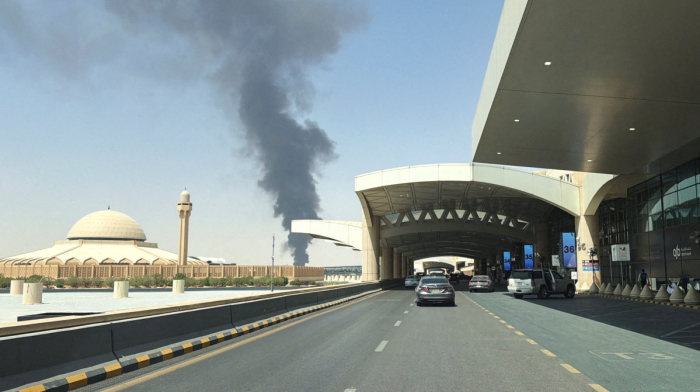
A powerful explosion has been reported at King Khalid International Airport in Riyadh, raising fresh concerns over aviation security in Saudi Arabia as tensions across the region continue to escalate.
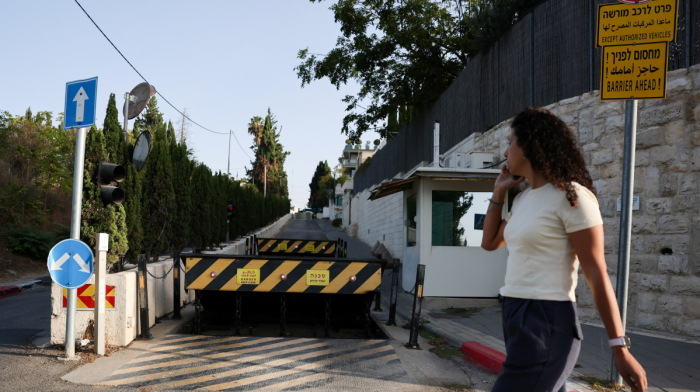
Britain and Israel have reached a temporary compromise over the future of the British Consulate General in East Jerusalem, easing a diplomatic dispute that had threatened to further strain relations between the two countries.
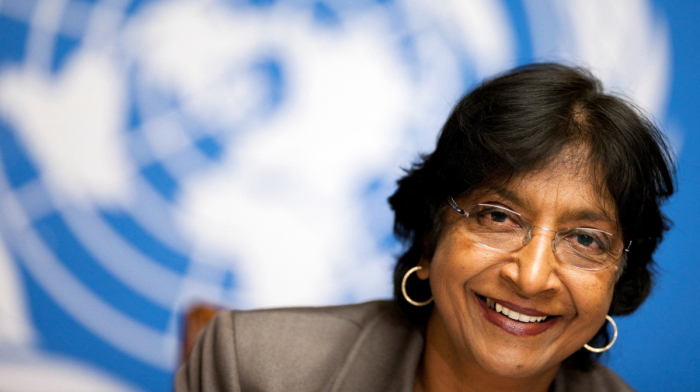
South African judge Navanethem “Navi” Pillay won the Nobel Peace Prize on Friday “for her efforts to promote peace and international law,” the Norwegian Nobel Committee said.
The U.S. has imposed sanctions on the International Criminal Court (ICC) on Friday (9 October) escalating tensions with European allies and potentially targeting companies that provide services to the tribunal. The move came hours after former ICC judge Navi Pillay won the Nobel Peace Prize.
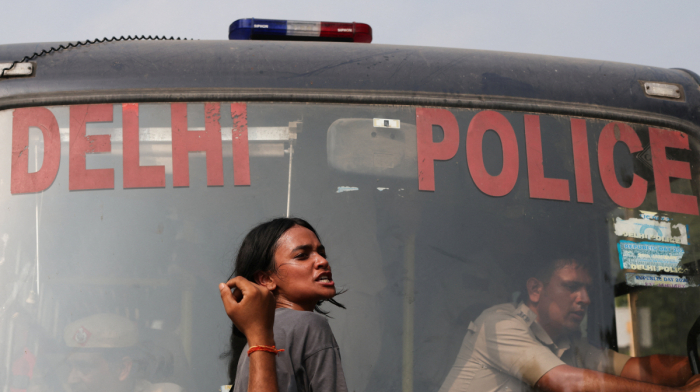
Indian police detained more than 2,000 protesters in Delhi on Saturday as authorities blocked a planned demonstration calling for the resignation of Chief Election Commissioner Gyanesh Kumar over disputed changes to voter lists.
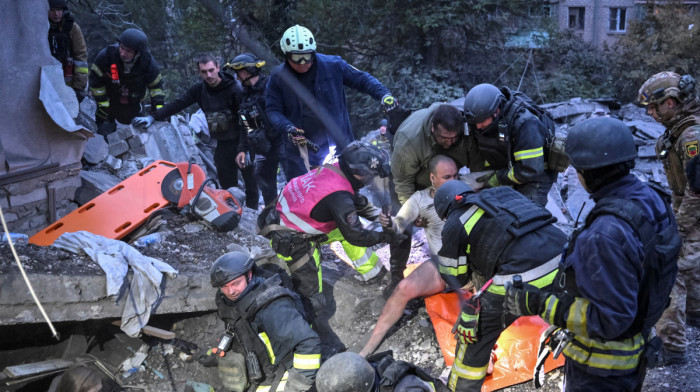
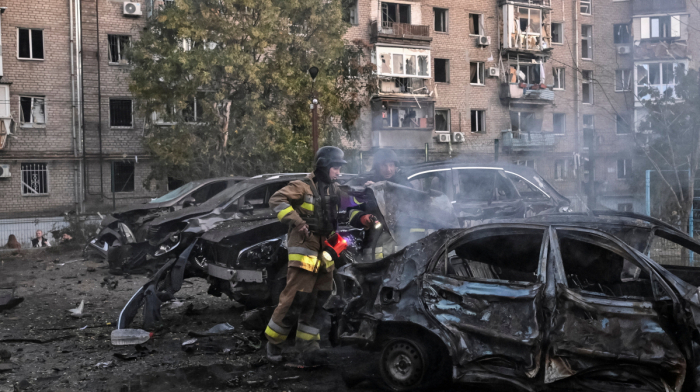
At least 12 people, including three children, have been killed in a Russian attack on the Ukrainian city of Zaporizhzhia, a day after U.S. President Donald Trump announced a deal to ease sanctions on Russian diesel.
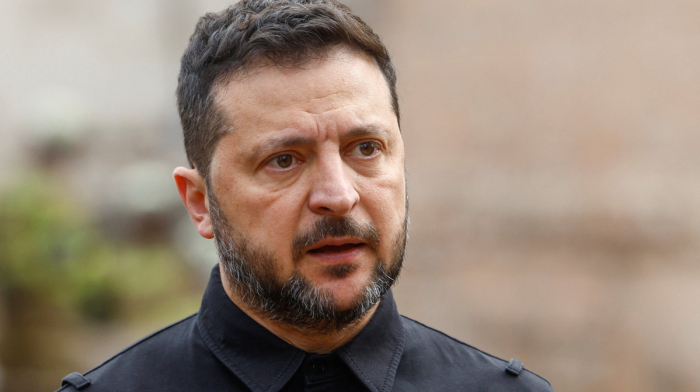
Ukrainian President Volodymyr Zelenskyy has criticised U.S. President Donald Trump’s decision to ease sanctions on Russian diesel exports, questioning why Moscow was granted an economic benefit without an apparent concession towards ending the war in Ukraine.
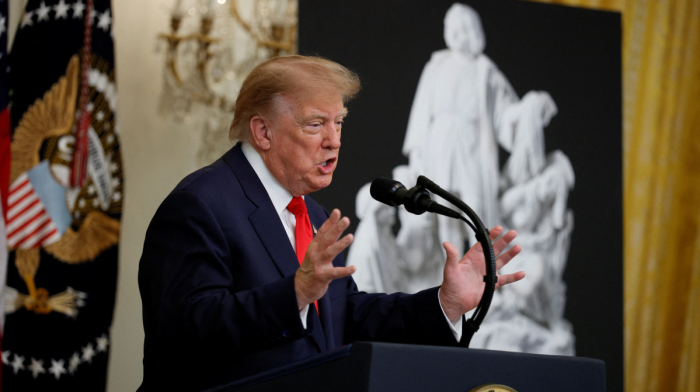
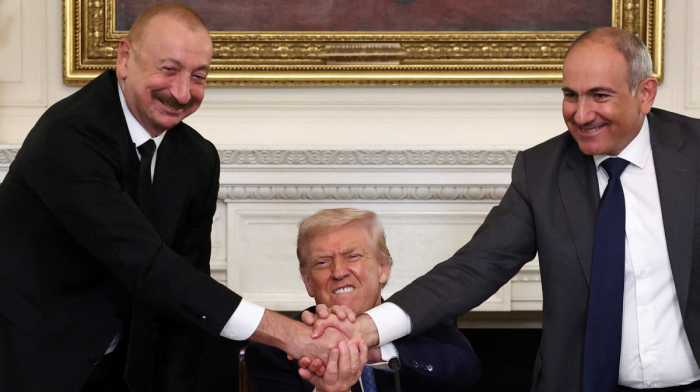
Russian President Vladimir Putin expressed surprise after Donald Trump mediated the Armenia-Azerbaijan peace agreement in 2025, the U.S. President said at a rally in New York state on Friday.
The United Nations has condemned a sharp rise in attacks on civilians in Ukraine, reporting that more than 100 people were killed and at least 429 injured in a single week as Russian strikes hit residential areas, passenger buses and critical infrastructure.
Download the AnewZ app
You can download the AnewZ application from Play Store and the App Store.










What is your opinion on this topic?
Leave the first comment