China’s decade of planning cushions economy as oil prices surge
China is emerging as one of the more stable economies amid the latest global oil shock, thanks to years of planning, diversified energy sources and...
Finnish power grid operator Fingrid announced on Wednesday that repairs to the damaged EstLink 2 subsea power line, which connects Finland and Estonia, will begin in May, with the line expected to return to commercial use by July 15, 2025.
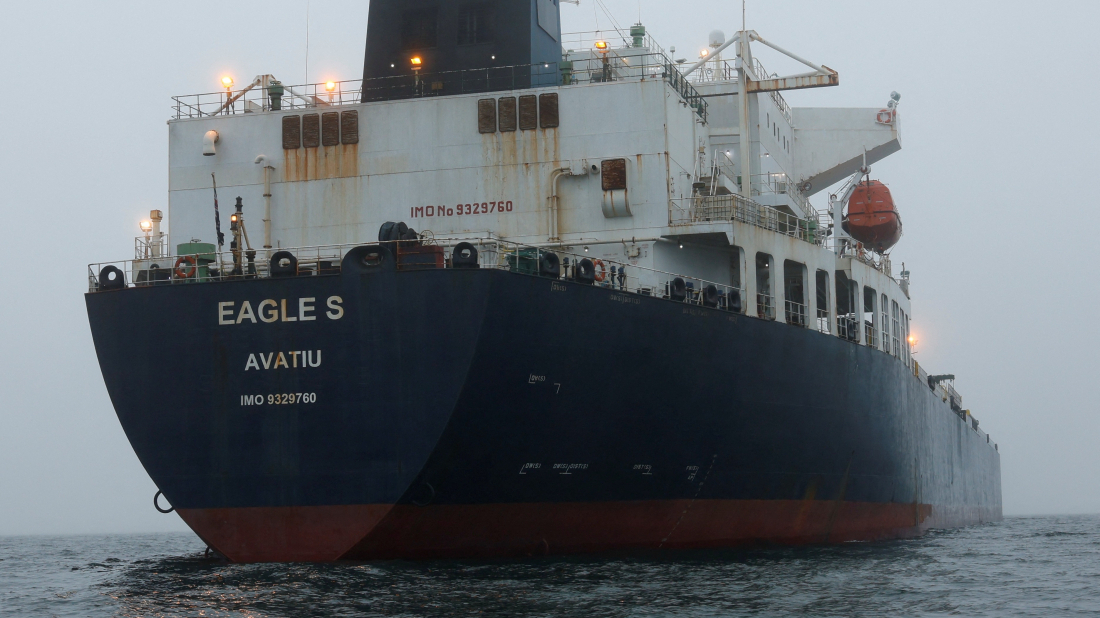
The outage of the undersea power cable, along with four internet lines, was suspected to have been caused by a ship carrying Russian oil, which Finnish authorities seized in December 2024 in the Baltic Sea. Fingrid stated that a new cable will be installed on the seabed to replace the damaged section, spanning a distance of approximately one kilometer (0.62 miles).
Fingrid emphasized that the repair work involves extensive planning and requires a specially equipped vessel to carry out the task. The work will be performed by Nexans, a global leader in the cable industry.
The EstLink 2 power line is a crucial part of the energy infrastructure connecting Finland and Estonia, and its repair is essential for maintaining energy reliability in both countries. The outage had disrupted the power supply and raised concerns about regional energy security. The planned repair and restoration of EstLink 2 will help restore normal electricity flows between the two nations and improve resilience in the Baltic Sea region’s energy network.

The Iran-U.S.-Israel conflict is intensifying, with fresh strikes near Tehran, European calls for restraint, and Iran threatening to target U.S. firms in the region, raising fears of a broader escalation across the Middle East.
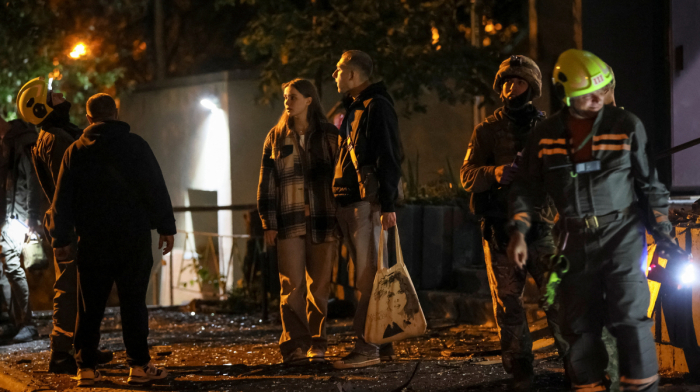
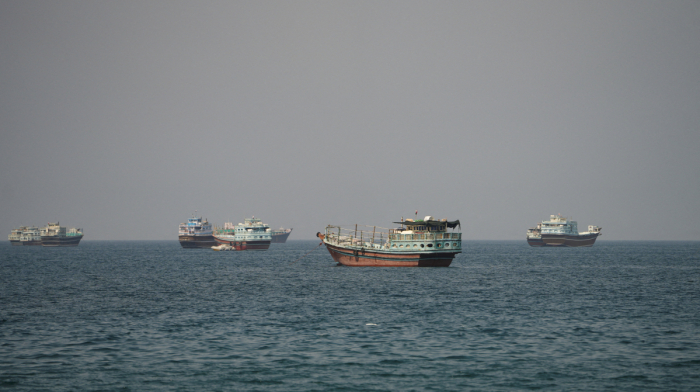
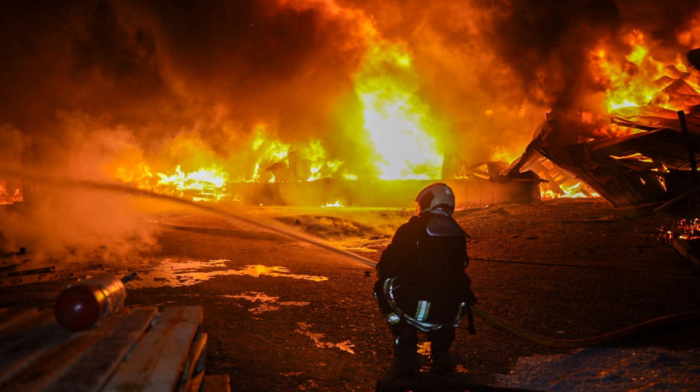
There are fears of an oil spill after a drone strike hit a Kuwaiti oil tanker near Dubai on Tuesday, while U.S.-Israeli strikes in Iran reportedly killed at least two people. A loud explosion was heard in Beirut in southern Lebanon early Wednesday, as oil prices climbed above $100 a barrel.
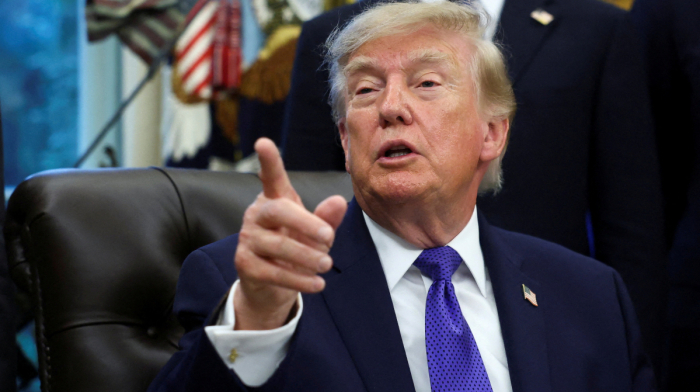
Fears of wider escalation grow despite President Donald Trump saying U.S. strikes on Iran could end within weeks. Meanwhile missile attacks, tanker incidents and rising casualties across Israel, Lebanon and the Gulf heighten risks to regional stability and energy routes.
Russian-flagged tanker carrying approximately 700,000 barrels of crude oil docked at Cuba's Matanzas oil terminal on Tuesday, shipping data confirmed, marking a vital and controversial delivery to an island paralysed by severe energy shortages and a suffocating U.S. blockade.
A Russian military An-26 aircraft has crashed in Crimea, killing all 30 people on board, Russia’s Defence Ministry has confirmed.
China is emerging as one of the more stable economies amid the latest global oil shock, thanks to years of planning, diversified energy sources and a steady shift towards renewable power.
In a major policy reversal, the U.S. Treasury has removed Venezuela’s acting president, Delcy Rodríguez, from its sanctions list, signalling a sharp shift in Washington’s approach to Caracas.
A technical team from the United States Federal Bureau of Investigation (FBI) has touched down in Cuba this week to launch an "independent investigation" into a deadly maritime shootout that happened on 25 February.
“He is not… the owner!” U.S. District Judge Richard J. Leon wrote, temporarily halting construction of President Donald Trump’s $400 million White House ballroom, underscoring a cascade of legal, regulatory and public opposition that has engulfed the controversial expansion.
Start your day informed with the AnewZ Morning Brief. Here are the top stories for 2 April, covering the latest developments you need to know
You can download the AnewZ application from Play Store and the App Store.
What is your opinion on this topic?
Leave the first comment