Bahrain’s UN bid to secure Strait of Hormuz stalls amid global divisions
Bahrain’s bid to secure a UN resolution to protect shipping in the Strait of Hormuz has stalled, highlighting deep divisions among global pow...
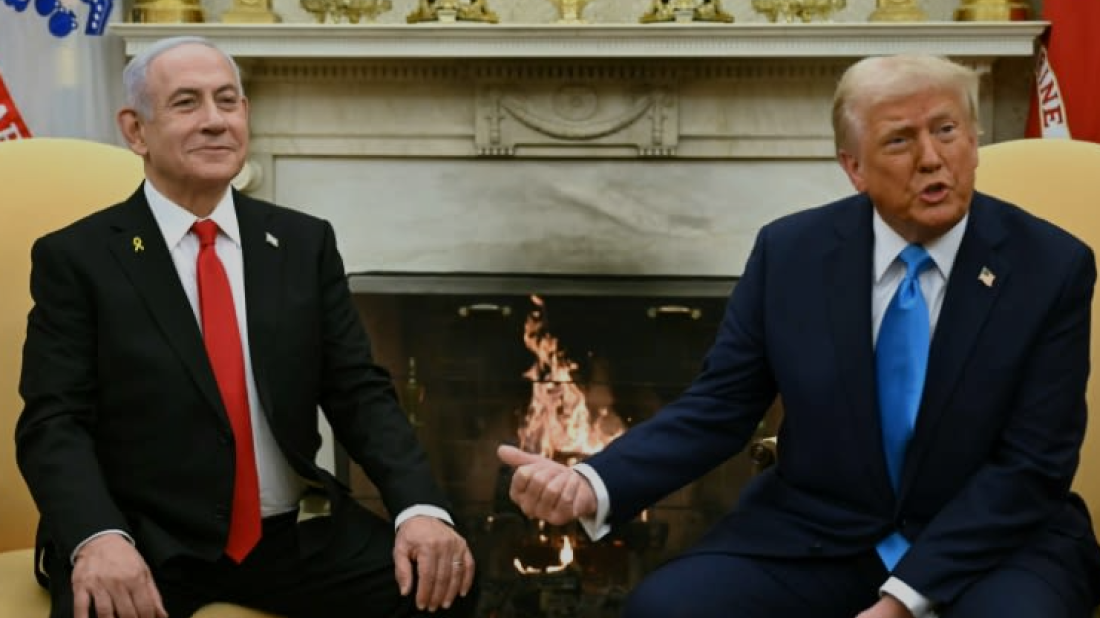
Israeli Prime Minister Benjamin Netanyahu said he hopes to secure relief from U.S. tariffs during a meeting with President Donald Trump in Washington this week, highlighting the economic impact on Israeli exports and the strength of U.S.-Israel ties.
sraeli Prime Minister Benjamin Netanyahu expressed hope on Sunday that upcoming talks with U.S. President Donald Trump in Washington will lead to a reduction in newly imposed tariffs on Israeli goods.
Under President Donald Trump’s recent trade policy overhaul, Israeli exports now face a 17% U.S. tariff. The United States remains Israel’s largest trading partner and closest ally.
Netanyahu, who has been in Hungary in recent days, is scheduled to arrive in Washington on Sunday for a short-notice meeting with President Donald Trump on Monday, according to officials.
In a statement, Netanyahu said the discussions will focus on several key issues, including Israeli hostages still held in Gaza after 18 months, Israel’s military objectives in Gaza, and the impact of the new tariff regime.
"I hope I can help on this issue. That’s the goal," Netanyahu said of the tariffs. "I am the first international leader to meet President Donald Trump on this matter, which is vital for the Israeli economy. Many others are seeking such discussions, and I believe this reflects both the close personal relationship and the strong strategic ties between the U.S. and Israel—especially crucial at this time."
According to Israeli officials, President Donald Trump extended the invitation during a phone call on Thursday after Netanyahu raised the tariff concern.
An Israeli finance ministry official noted last week that the new U.S. tariffs could significantly affect exports of machinery and medical equipment.
In response, Israel eliminated its remaining tariffs on U.S. imports on Tuesday. The two countries signed a free trade agreement four decades ago, and approximately 98% of U.S. goods currently enter Israel duty-free.
4o

The Iran-U.S.-Israel conflict is intensifying, with fresh strikes near Tehran, European calls for restraint, and Iran threatening to target U.S. firms in the region, raising fears of a broader escalation across the Middle East.
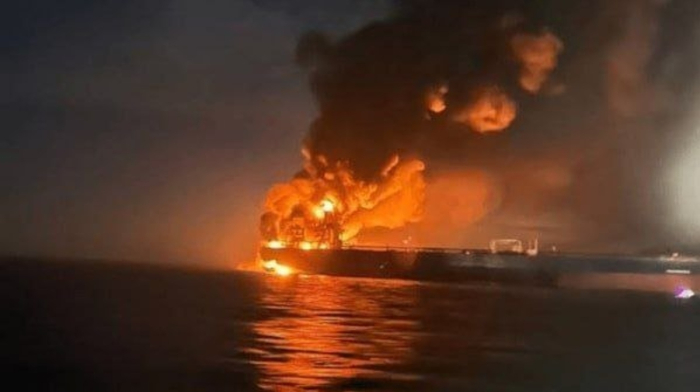
There are fears of an oil spill after a drone strike hit a Kuwaiti oil tanker near Dubai on Tuesday, while U.S.-Israeli strikes in Iran reportedly killed at least two people. A loud explosion was heard in Beirut in southern Lebanon early Wednesday, as oil prices climbed above $100 a barrel.
Fears of wider escalation grow despite President Donald Trump saying U.S. strikes on Iran could end within weeks. Meanwhile missile attacks, tanker incidents and rising casualties across Israel, Lebanon and the Gulf heighten risks to regional stability and energy routes.
Russian-flagged tanker carrying approximately 700,000 barrels of crude oil docked at Cuba's Matanzas oil terminal on Tuesday, shipping data confirmed, marking a vital and controversial delivery to an island paralysed by severe energy shortages and a suffocating U.S. blockade.
A Russian military An-26 aircraft has crashed in Crimea, killing all 30 people on board, Russia’s Defence Ministry has confirmed.
In a major policy reversal, the U.S. Treasury has removed Venezuela’s acting president, Delcy Rodríguez, from its sanctions list, signalling a sharp shift in Washington’s approach to Caracas.
A technical team from the United States Federal Bureau of Investigation (FBI) has touched down in Cuba this week to launch an "independent investigation" into a deadly maritime shootout that happened on 25 February.
“He is not… the owner!” U.S. District Judge Richard J. Leon wrote, temporarily halting construction of President Donald Trump’s $400 million White House ballroom, underscoring a cascade of legal, regulatory and public opposition that has engulfed the controversial expansion.
Start your day informed with the AnewZ Morning Brief. Here are the top stories for 2 April, covering the latest developments you need to know
President Volodymyr Zelenskyy criticised Russia for answering his offer of an Easter ceasefire with airstrikes on Wednesday but he praised as "positive" fresh talks with U.S. mediators aimed at resolving the four-year conflict.
You can download the AnewZ application from Play Store and the App Store.
What is your opinion on this topic?
Leave the first comment