live Trump announces ‘most crushing economic operation’ against Iran
Shipping through the Strait of Hormuz has slowed, according to the latest data, as uncertainty over the waterway’s reopening kept most s...
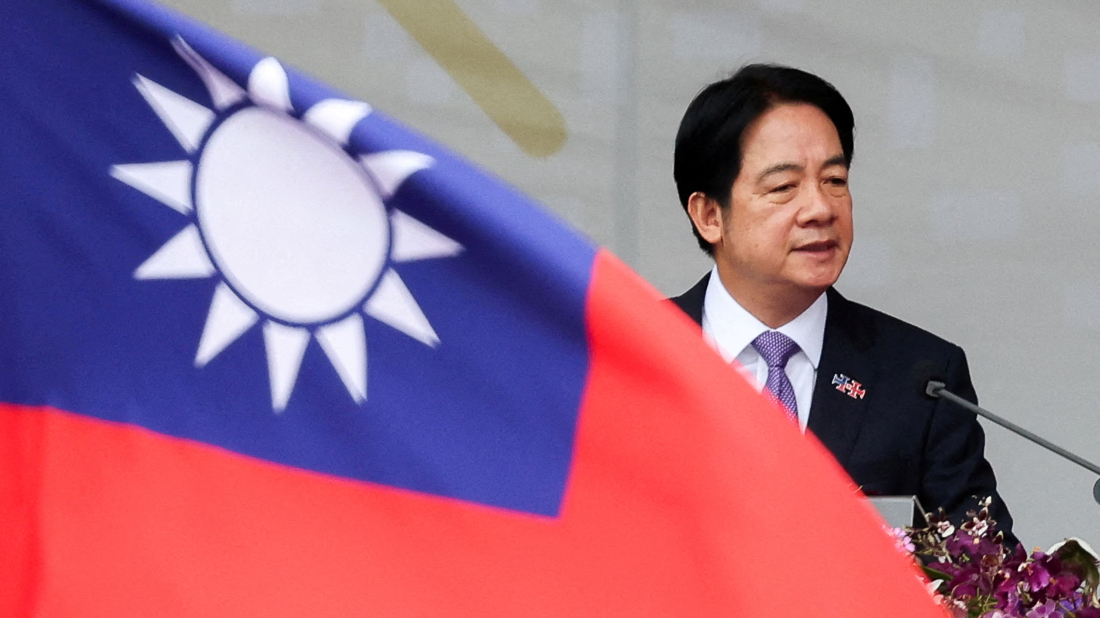
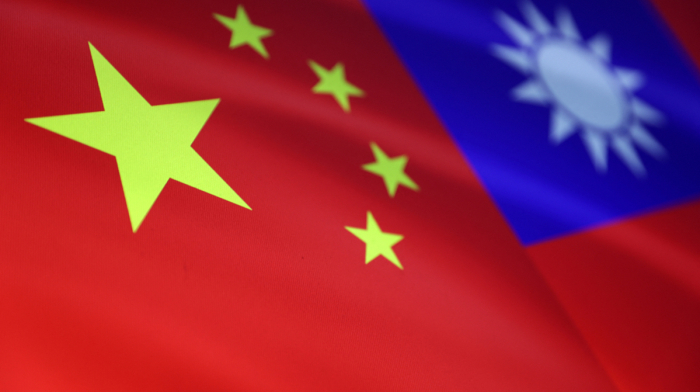
Taiwan's President Lai Ching-te will visit Pacific allies Palau, the Marshall Islands, and Tuvalu at the end of the month. Details of any U.S. stopovers, typically included in such trips, remain unclear.
Taiwan's President Lai Ching-te is set to visit the island's three remaining diplomatic allies in the Pacific at the end of this month, according to his office. However, the government has not provided details regarding potential stopovers in the United States during his trip.
Typically, Taiwanese presidents make stopovers in the US, Taiwan's most significant international ally and arms supplier, which often provokes Beijing’s ire. Over the past two years, China has staged military drills around Taiwan after presidential or vice-presidential visits to the US.
Reports indicate that Lai may visit Hawaii and possibly Guam during his trip. When asked about the details of these stopovers, Deputy Taiwan Foreign Minister Tien Chung-kwang said they were still being planned and would be announced "at an appropriate time." He added that the trips would prioritize safety, dignity, convenience, and comfort.
Lai’s visit to the Pacific allies will take place from November 30, and he is scheduled to arrive in the Marshall Islands on December 3, though his activities in the intervening period remain undisclosed.
Taiwan has formal diplomatic relations with just 12 countries, three of which are in the Pacific—Palau, the Marshall Islands, and Tuvalu. China has been actively working to reduce Taiwan’s diplomatic ties in the region, with Nauru switching its allegiance to Beijing earlier this year.
China has also ramped up military activity near Taiwan in recent years, particularly following visits by Taiwanese leaders to the US In May, after Lai’s inauguration, China conducted military drills as a warning against "separatist acts." Taiwan maintains its sovereignty and defends its right to engage with other nations and for its leaders to travel abroad.

The collective-defence agreement between Türkiye, Saudi Arabia and Pakistan signals that regional powers no longer want to rely solely on external security guarantees. Whether it becomes a stabilising deterrent or another axis of rivalry remains unresolved.
Shipping through the Strait of Hormuz has slowed, according to the latest data, as uncertainty over the waterway’s reopening kept most shipowners away. Six commodity vessels crossed the strait on Tuesday, down from nine the day before and below the 10-day daily average of 11.
Iran has said the Strait of Hormuz will remain closed until the U.S. fulfils the terms of an interim deal, including lifting the maritime blockade and sanctions and releasing Iran’s frozen assets.
Ukraine has targeted at least 20 Wildberries warehouses across Russia since 18 July, disrupting a major logistics network. Kyiv says the strikes aim to disrupt alleged military-linked supplies, while the attacks have caused billions of dollars in losses and wider economic pressure.
German Chancellor Friedrich Merz is facing growing pressure as his approval ratings fall and the far-right Alternative for Germany (AfD) party gains support.
Iran has rejected UAE allegations that it fired two ballistic missiles towards the Gulf state, as tensions rise over military activity, trade and the Strait of Hormuz.
Escalating attacks on Black Sea ports, cargo vessels and export infrastructure have crippled a vital global grain trade route, threatening supplies to food-importing nations and driving prices higher.
Türkiye on Wednesday rejected Israel’s justification for striking a Syrian airbase near its border, calling the claims “untenable” as tensions between the two countries rise over Syria.
Uzbekistan plans to open a logistics centre at Georgia’s port of Poti by 2027, with capacity to handle up to 500,000 tonnes of cargo a year, as Tashkent strengthens transport links through the South Caucasus.
The U.S. imposed sanctions on the International Criminal Court's (ICC) President Tomoko Akane and a senior trial lawyer at the court Abdoulaye Seye on Tuesday, Secretary of State Marco Rubio said.
You can download the AnewZ application from Play Store and the App Store.
What is your opinion on this topic?
Leave the first comment