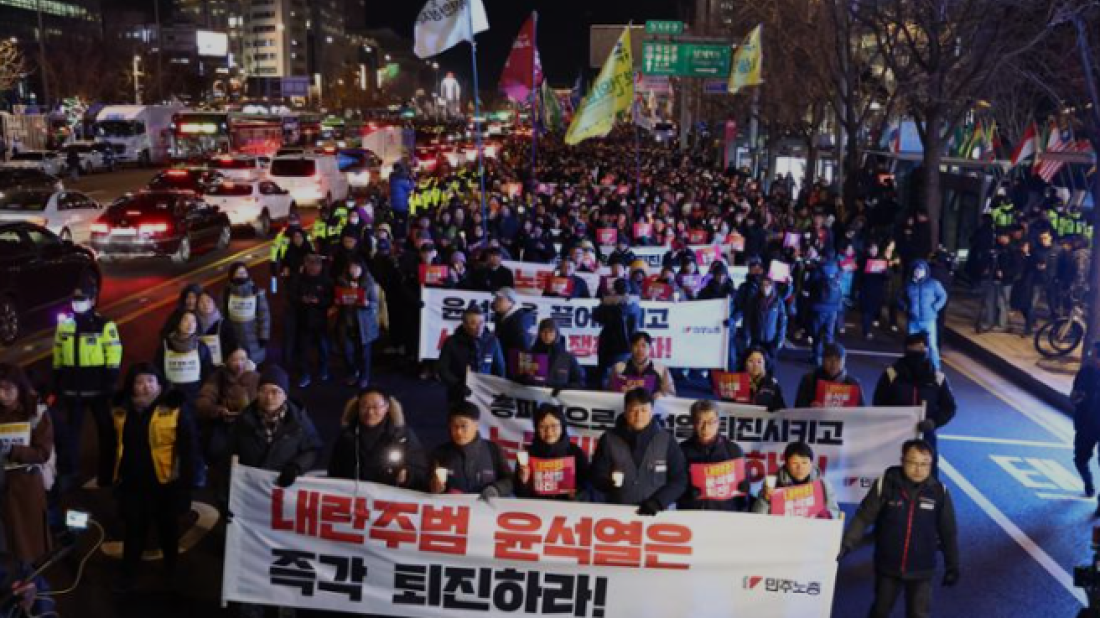
Thousands of anti-government protesters gathered in Seoul on Saturday, voicing their opposition to President Yoon Suk-yeol's administration.
Anti-Yoon Protesters Hold Rallies in Seoul Amid Rising Tensions
Protests erupted across Seoul on Saturday as demonstrators voiced their opposition to the policies of South Korean President Yoon Suk-yeol. Thousands of anti-government protesters took to the streets, calling for a change in leadership and criticizing Yoon's administration on various fronts, including his handling of domestic issues and foreign relations.
The protests, organized by multiple activist groups, included a broad coalition of citizens, from labor unions to student groups, united by dissatisfaction with the current government. Demonstrators gathered in the capital’s central districts, waving banners, chanting slogans, and demanding greater accountability from the president. The primary issues raised during the rallies centered on economic inequality, labor rights, and the government's stance on military cooperation with the United States.
The demonstrators also expressed frustration with Yoon’s recent foreign policy decisions, which have included strengthening ties with Washington and taking a firm stance against North Korea. Critics argue that these policies have left South Korea vulnerable to external pressures while neglecting key issues affecting the country’s citizens.
While the protests remained largely peaceful, the rallies have drawn significant attention as the political climate in South Korea continues to heat up. Some protesters claimed that Yoon’s administration has prioritized international relations over the needs of the South Korean people, particularly in areas such as job creation, wage growth, and social services.
Local authorities deployed a heavy police presence to monitor the demonstrations, and while there were no reports of major violence, tensions remain high as the opposition continues to mobilize against the sitting government. The scale of the protests signals growing dissatisfaction with President Yoon’s leadership, as many citizens believe the government is out of touch with the everyday struggles of the population.
In response to the protests, President Yoon's administration emphasized its commitment to strengthening the country’s global standing while also addressing domestic economic challenges. However, with more rallies anticipated in the coming weeks, it remains to be seen how the government will handle the rising tide of public discontent.
As the political battle intensifies, South Korea is at a crossroads, and how President Yoon responds to these growing protests will have lasting implications for the country’s future.












What is your opinion on this topic?
Leave the first comment