Azerbaijan sends humanitarian supplies to neigbouring Iran
Up to 30 tonnes of food will be delivered to Iran amidst ongoing hostilities with U.S. and Israel, following a phone converstation between the ...
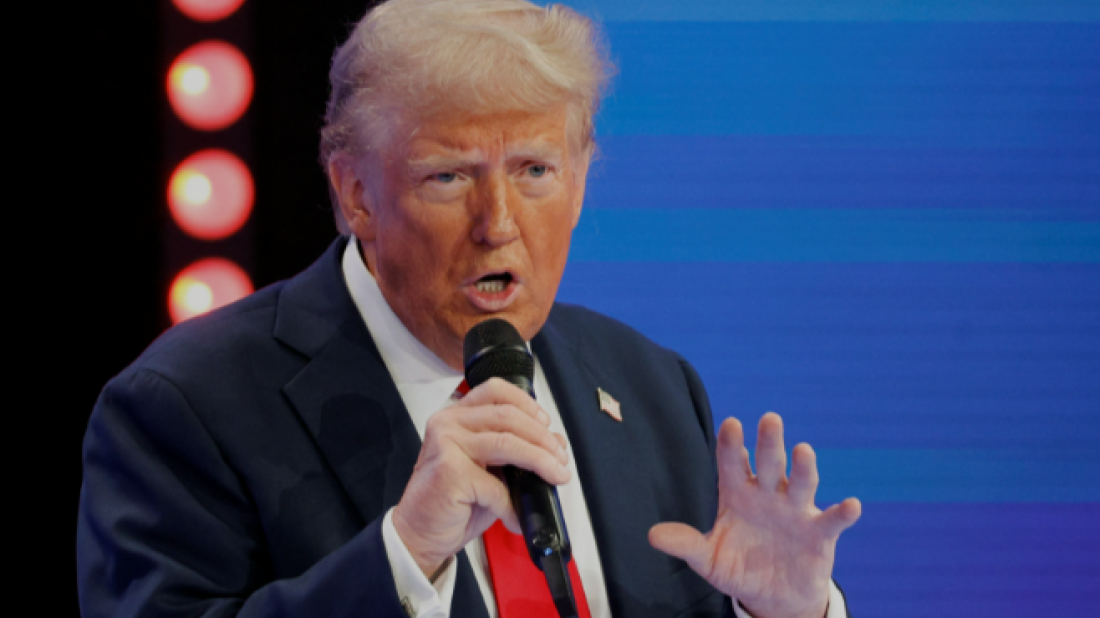
U.S. President Donald Trump has expressed optimism about a potential full ceasefire in the ongoing Russia-Ukraine war, stating that peace could soon be achieved. Trump's comments add to the growing international calls for de-escalation as the conflict continues to devastate the region.
Trump Advocates for Full Ceasefire in Russia-Ukraine Conflict
In a recent statement, U.S. President Donald Trump declared his belief that a full ceasefire in the ongoing Russia-Ukraine war is imminent, expressing confidence that peace would soon be achieved. Trump, known for his outspoken views on foreign policy, reiterated his desire to bring an end to the devastating conflict and emphasized his commitment to peace negotiations.
The remarks came as part of a broader discussion about the global implications of the war, which has seen significant loss of life and widespread displacement across Eastern Europe. Trump suggested that his unique approach to diplomacy and foreign affairs could help bring about a resolution, while highlighting the importance of preventing further escalation.
While details on how such a ceasefire would come about remain unclear, Trump’s statement signals an ongoing concern regarding the human and economic costs of the war. As the conflict drags on, international pressure continues to mount for a peaceful resolution. Experts in international relations have also pointed to the growing geopolitical tensions as a critical factor in pushing for de-escalation, with global leaders calling for renewed efforts in peace talks.
As the world watches the war’s progression, Trump’s assertion adds to the ongoing discourse about how best to approach the crisis and whether diplomacy can overcome the entrenched positions of both Russia and Ukraine. The international community remains focused on finding a path to peace, while the United States and other global powers continue to weigh their role in resolving the conflict.
While Trump’s comments about a potential ceasefire are optimistic, the road to peace remains fraught with challenges. The coming months will likely be crucial in determining the future trajectory of the Russia-Ukraine war and the broader implications for global stability.

Mojtaba Khamenei, son of the late Ayatollah Ali Khamenei, is a hardline cleric with strong backing from the Islamic Revolutionary Guard Corps. His rise signals continuity in Tehran's anti-Western policies.
Global oil prices surpassed $119 a barrel on Monday (9 March, 2026), an almost four year high, as the Middle East conflict rumbled on.
China has urged Afghanistan and Pakistan to resolve their dispute through dialogue after Chinese envoy Yue Xiaoyong met Afghan Foreign Minister Amir Khan Muttaqi, as fighting between the two neighbours entered its eleventh day.
Iran named Mojtaba Khamenei to succeed his father Ali Khamenei as supreme leader on Monday (9 March), signaling that hardliners remain firmly in charge, as the week-old U.S.-Israeli war with Iran pushed oil above $100 a barrel.
Entry and exit across the state border between Azerbaijan and Iran for all types of cargo vehicles, including those in transit, will resume on 9 March, according to a statement by the Cabinet of Ministers of Azerbaijan.
Australia has granted humanitarian visas to five Iranian women footballers who sought asylum, fearing persecution after refusing to sing their national anthem at an Asia Cup match.
Start your day informed with AnewZ Morning Brief. Here are the top news stories for the 10th of March, covering the latest developments you need to know.
U.S. President Donald Trump called his recent phone conversation with Russian President Vladimir Putin “very good.” The two leaders spoke on Monday about the situation in Iran and other international issues.
Welcome to our live coverage as the conflict involving Iran enters its 11th day. Tensions in the region remain high as the United States and Iran exchange increasingly sharp warnings over the strategic Strait of Hormuz, a critical artery for global oil supplies.
U.S. President Donald Trump and UK Prime Minister Keir Starmer spoke by phone on Sunday as tensions between Washington and Westminster deepened over the conflict involving Iran. The call came less than a day after Trump criticised Britain’s response to U.S. strikes on Iranian targets.
You can download the AnewZ application from Play Store and the App Store.
What is your opinion on this topic?
Leave the first comment