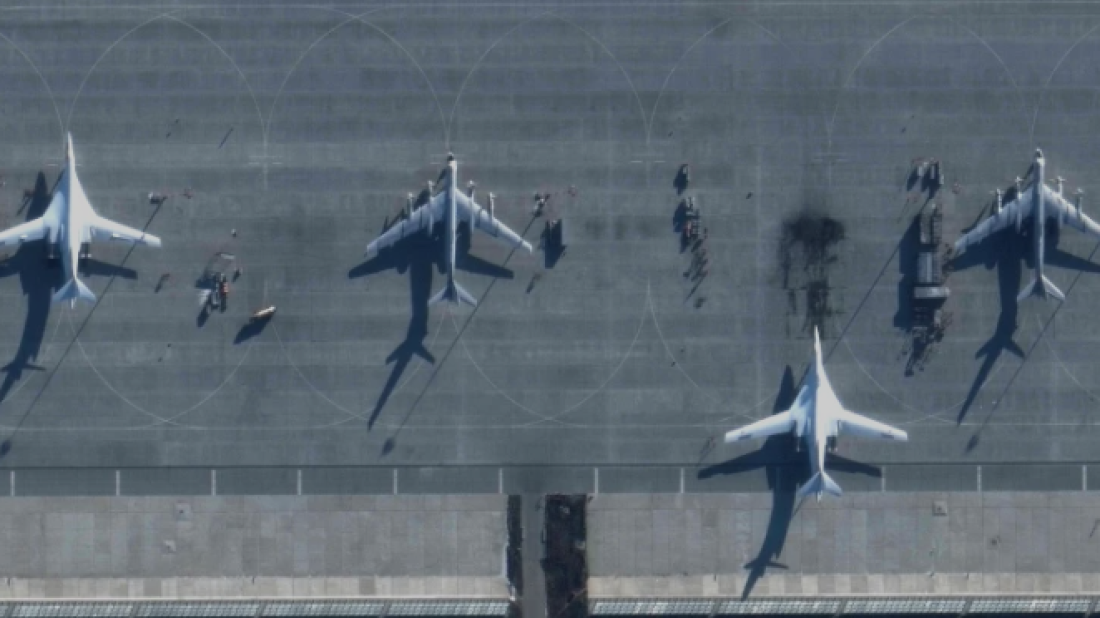
Ukraine launched a drone strike on the Russian Engels airfield Thursday, causing a massive explosion and fire at the base housing Tu-160 bombers.
On Thursday, Ukraine launched a drone strike against the Engels airfield in southern Russia, resulting in a massive explosion and fire. The airfield, which houses Russia’s Tupolev Tu-160 nuclear-capable bombers, also known as "White Swans," is a significant military site. The attack occurred approximately 700 km (435 miles) from the front lines of the ongoing conflict.
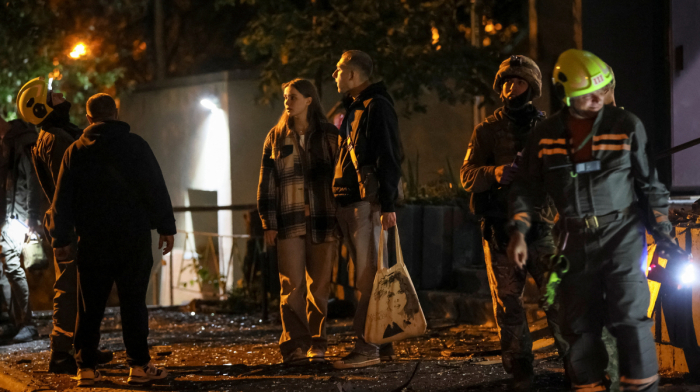
The strike caused secondary detonations of stored ammunition at the base, as reported by Ukraine’s Defence Ministry. Footage of the incident shows a large plume of smoke rising into the sky, accompanied by intense fires that spread to nearby structures. Videos also captured the shockwave from the explosion, damaging cottages in the vicinity.
Russian officials acknowledged the attack, with the Defence Ministry stating that air defences had intercepted 132 Ukrainian drones across several Russian regions, including the Engels area. However, the drones that did penetrate Russian defences caused significant damage to the base.
The Governor of Saratov, Roman Busargin, confirmed that the airfield in Engels had been targeted, and a local fire broke out. He mentioned that nearby residents had been evacuated as a safety measure. While he did not specifically name the Engels base, it is the primary military airfield in the region. Local authorities reported ten injuries from the attack, and some residents found pieces of Ukrainian drones in their gardens.
Engels is a key military asset for Russia, hosting its strategic bombers and serving as a launch point for airstrikes on Ukrainian targets. The base has been previously attacked by Ukraine, with the most notable strike occurring in December 2022. In January, Ukraine claimed to have struck an oil depot connected to the base, which caused a large fire. Additionally, there were reports of the destruction of a storage facility containing guided bombs and missiles at the base.
This latest strike highlights Ukraine’s use of drones as an effective tool in targeting critical infrastructure in Russia, far behind the front lines. The drones, including PD-2 and Liutyi models, have allowed Ukrainian forces to disrupt Russian military operations in various regions.
In retaliation, Russia launched 171 drones at Ukraine overnight. Ukrainian air defences successfully intercepted 75 of the drones, while 63 others failed to reach their targets, according to reports.
The ongoing use of drones by both sides underscores the growing role of unmanned aerial systems in modern warfare, reshaping how conflicts are fought and how strategic targets are engaged. As the conflict continues, drone warfare is playing an increasingly significant role, with both sides refining their capabilities in an attempt to gain the upper hand. The strike on Engels marks a notable event in the ongoing tensions between Russia and Ukraine.
As the conflict continues, drone warfare is playing an increasingly significant role, with both sides refining their capabilities in an attempt to gain the upper hand. The strike on Engels marks a notable event in the ongoing tensions between Russia and Ukraine.


















What is your opinion on this topic?
Leave the first comment