U.S. and Ukrainian officials are set to meet in Jeddah on Tuesday for high-level discussions aimed at mending ties and assessing whether Kyiv is prepared to make concessions under President Donald Trump’s push to swiftly end Russia’s war with Ukraine.
The talks come in the wake of a contentious White House meeting last month between President Trump and Ukrainian President Volodymyr Zelenskyy, which left relations between the two allies deeply strained.
In recent months, Washington—once Ukraine’s staunchest ally—has shifted its policy in favor of a rapid resolution to the conflict. The Trump administration has notably engaged directly with Moscow, halted military assistance to Kyiv, and paused intelligence sharing since Russia’s large-scale invasion of Ukraine in 2022. These moves have compounded the pressure on Ukraine, especially regarding a minerals deal that Trump has touted as key to securing continued U.S. support and compensating for nearly $65 billion in military aid.
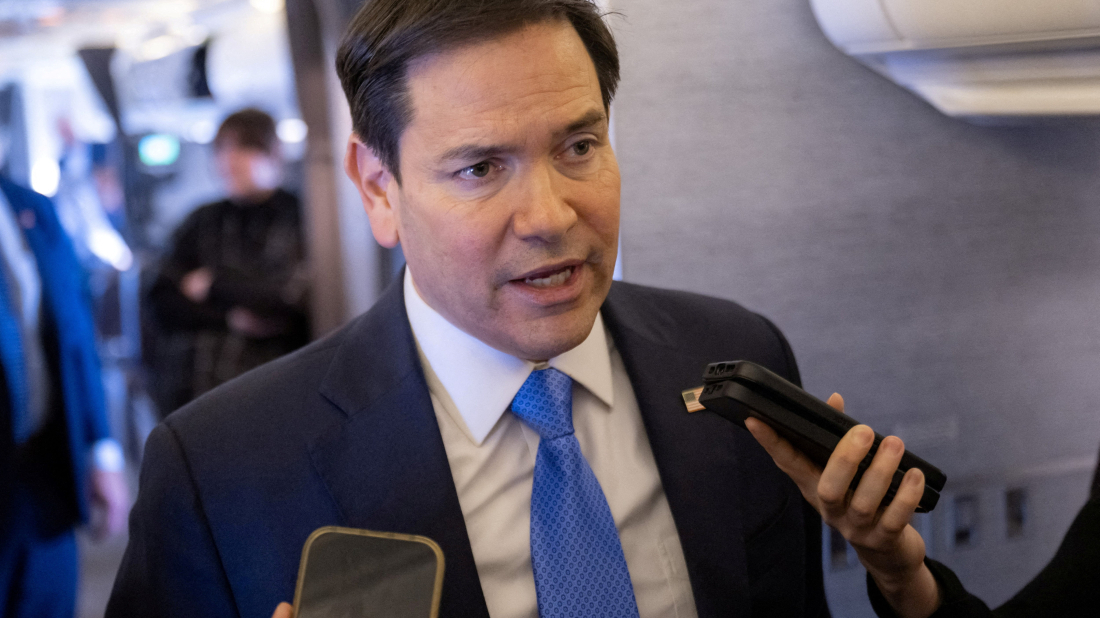
“We have to understand the Ukrainian position and just have a general idea of what concessions they’d be willing to make, because you’re not going to get a ceasefire and an end to this war unless both sides make concessions,” U.S. Secretary of State Marco Rubio said on Monday while en route to Jeddah. Rubio, along with National Security Adviser Mike Waltz, will meet senior Ukrainian officials led by Andriy Yermak, a top aide to President Zelenskyy. Notably, Zelenskyy, who is in Saudi Arabia meeting with Crown Prince Mohammed bin Salman, will not be part of the discussions.
Trump’s special envoy for the Middle East, Steve Witkoff—recently assigned to Ukraine diplomacy—expressed hope that the long-stalled U.S.-Ukraine minerals deal would eventually be signed. Witkoff is also expected to visit Moscow to meet President Vladimir Putin, following a previous high-level encounter last month.
Ukraine’s European allies have cautioned that Kyiv must negotiate from a position of strength and avoid rushing to the bargaining table with an aggressor. President Zelenskyy has warned that Russia’s war aims extend beyond Ukraine, suggesting that further attacks on other European nations remain a possibility if the conflict does not culminate in a decisive Russian defeat. Meanwhile, Rubio noted that it would be extremely challenging for Ukraine to reclaim all of its lost territory, given that Russian forces currently control around a fifth of the country, including Crimea, annexed in 2014, and are pressing in the eastern Donetsk region.
This upcoming meeting in Saudi Arabia follows a rare encounter between U.S. and Russian officials in Jeddah last month—a meeting aimed at restoring ties after nearly a complete freeze in official contact under the previous Biden administration. As Washington and Kyiv navigate these complex diplomatic waters, observers remain keenly focused on the potential implications for future U.S. support and the broader prospects for peace in the region.















What is your opinion on this topic?
Leave the first comment