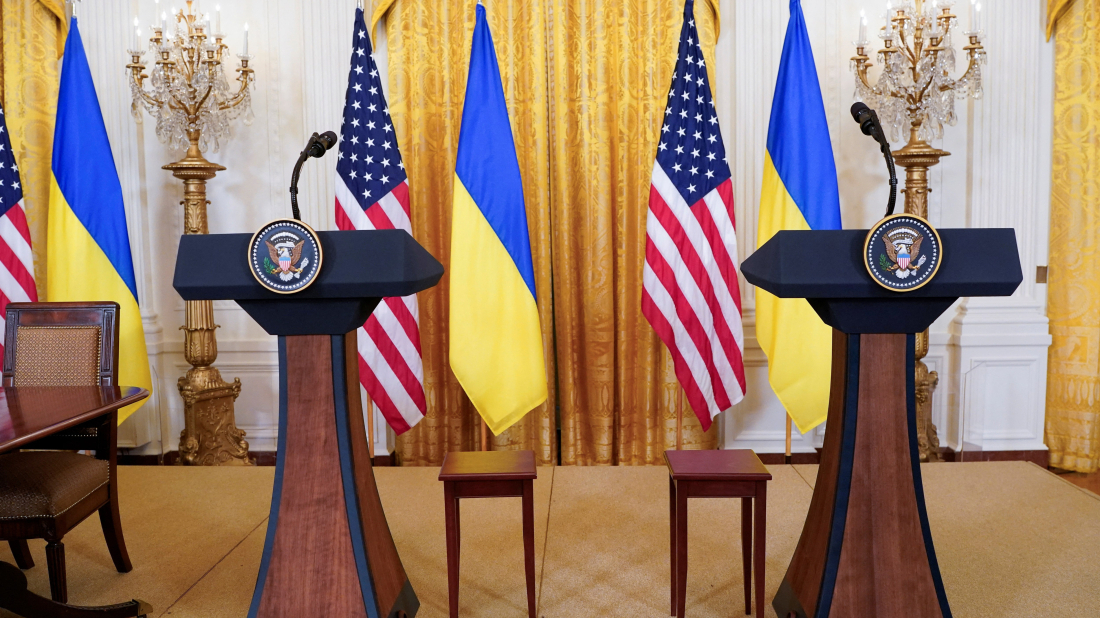
U.S. President Donald Trump has paused military aid to Ukraine following his clash with Ukrainian President Volodymyr Zelenskiy last week, prompting a wide range of responses from officials across Ukraine, Russia, Europe, and the United States.
Ukrainian Prime Minister Denys Shmyhal stressed that the country's military and government have the necessary tools to maintain the situation on the frontline. "We will continue to work with the U.S. through all available channels in a calm manner," he said. Meanwhile, Ukrainian President Volodymyr Zelenskiy, speaking on X, highlighted Germany's crucial role in supplying air defence systems and ensuring Ukraine's financial stability.
Criticism from Ukraine was swift. Oleksandr Merezhko, head of the Ukrainian parliament's foreign affairs committee, warned, "On the surface, this looks really bad. It looks like he is pushing us towards capitulation, meaning accepting Russia's demands. To stop aid now means to help Putin."
In contrast, Kremlin spokesman Dmitry Peskov suggested that the pause could encourage Kyiv to engage in peace negotiations. "If the pause is true, then this is a decision that can really encourage the Kyiv regime to come to the peace process," Peskov said, adding that the U.S. has been the main supplier of military aid in the conflict so far.
U.S. Senator Jeanne Shaheen, the top Democrat on the Senate Foreign Relations Committee, sharply criticized the decision, stating, "By freezing military aid to Ukraine, President Trump has kicked the door wide open for Putin to escalate his violent aggression against innocent Ukrainians. The repercussions will undoubtedly be devastating."
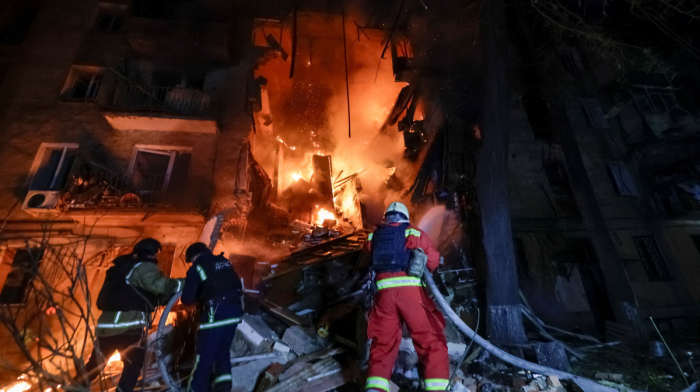
European leaders also weighed in on the controversial move. European Commission President Ursula von der Leyen warned, "We are living in the most momentous and dangerous of times," and called for increased European defence spending. German Foreign Minister Annalena Baerbock emphasized the need for additional military and financial aid to Ukraine to secure peace, while Polish Prime Minister Donald Tusk insisted that a strong, sovereign Ukraine is key to regional security. British, French, Danish, Czech, and Hungarian officials echoed similar sentiments, with many arguing that suspending military support could inadvertently strengthen Russia's hand in the conflict.
As the pause in military aid unfolds, global reactions remain mixed. While some see the decision as a potential catalyst for peace talks, others fear it could embolden Russian aggression. The situation continues to evolve as diplomatic efforts and security concerns take center stage in Washington, Kyiv, and across Europe.











What is your opinion on this topic?
Leave the first comment