In a move that could significantly disrupt the burgeoning U.S. space industry, the Trump administration has fired roughly one-third of the National Oceanic and Atmospheric Administration’s (NOAA) 25-person Office of Space Commerce.
The unit, often described as the “air traffic control for space,” plays a critical role in managing satellite traffic and coordinating collision avoidance in an increasingly congested orbital environment.
According to sources familiar with the matter, acting NOAA chief Nancy Hann handed employees only a few hours' notice on Thursday before forcing them out of the office. Among those terminated was Dmitry Poisik, the chief of the Traffic Coordination System for Space—a program currently in a trial phase that alerts satellite operators to potential collisions with debris or other spacecraft.
The layoffs come amid a broader round of staff cuts at NOAA, an agency also responsible for providing weather forecasts, hurricane warnings, and licensing commercial imagery satellites. A recent internal email indicated that, following the layoffs, any communications regarding licensing or regulatory questions will now be handled exclusively by NOAA lawyers. The email described this as a “temporary arrangement to address continuity of operations” due to ongoing reductions in force.
The decision to cut staff from the space traffic unit threatens to complicate efforts to migrate satellite collision alerting duties out of the Pentagon, potentially delaying the approval process for new spacecraft launches. Under current protocols, the Federal Aviation Administration cannot approve a satellite launch without a license from NOAA—a process that could see significant delays if the unit’s operational capacity is compromised.
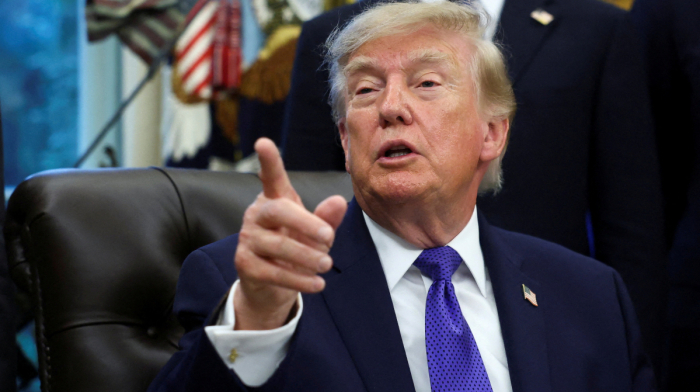
This action forms part of a wider government efficiency drive championed by Trump’s administration, which has already seen thousands of federal employees laid off. Critics warn that reducing staff in one of the nation’s most important space-licensing agencies could have long-term consequences for the U.S. space sector, which has long advocated for more agile and simplified regulatory processes.
The Trump administration’s earlier space policy directive in 2018 had called on the Office of Space Commerce to develop its own traffic management system, recognizing the escalating challenges posed by a congested orbital environment. However, the recent layoffs risk undermining these efforts at a critical time, as global demand for satellite services continues to grow and collision alerts reach tens of thousands.
As industry stakeholders brace for potential delays and operational disruptions, questions remain over how the reduction in personnel will affect the overall effectiveness of U.S. space traffic management and the timely licensing of new spacecraft.





















What is your opinion on this topic?
Leave the first comment