One dead in new attack on Saudi airport, a day after Houthi strike kills 13
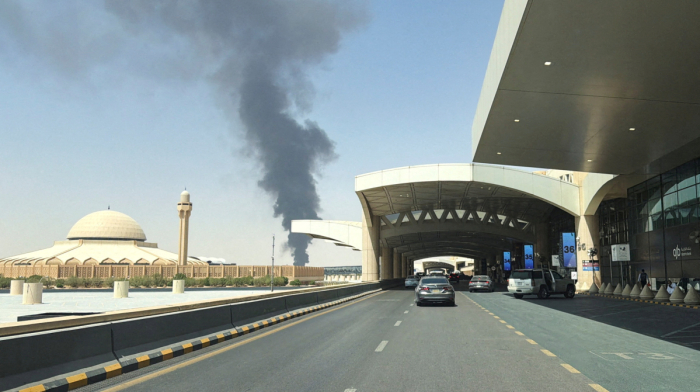
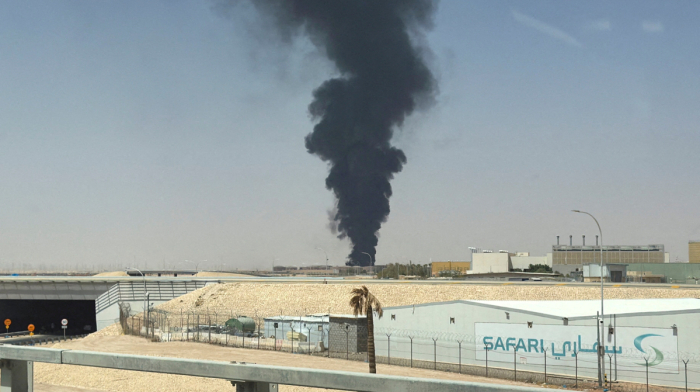
One person was killed and nearly a dozen hurt in a new attack Riyadh's international airport on Sunday, Saudi ...
U.S. Secretary of State Marco Rubio outlined steps to restore U.S.-Russia relations and end the Ukraine war, emphasizing diplomacy, expert negotiations, and economic opportunities. He stressed the need for compromise on sanctions and reaffirmed President Trump’s commitment to lasting peace.
On Tuesday, U.S. Secretary of State Marco Rubio outlined the next steps in efforts to restore relations with Russia and bring an end to the three-year-long conflict in Ukraine.
His remarks came following a meeting with a RussLian delegation led by Foreign Minister Sergey Lavrov, which also included presidential aide Yury Ushakov and Kirill Dmitriev, head of the Russian Direct Investment Fund.
Rubio described a multi-track approach to the process, starting with ensuring the proper functioning of diplomatic missions in both countries. He emphasized that the first phase is to enable embassies and consulates to operate effectively, as maintaining open communication channels is essential.
The second phase involves assembling a team of high-level experts to engage with Russian counterparts on defining the conditions for ending the conflict, which began in February 2022. Rubio underscored the necessity of consulting with Ukraine and European allies.
The third focuses on identifying potential geopolitical and economic opportunities that could emerge once the war is resolved. He noted the possibility of "historic" economic collaborations and partnerships on shared interests.
Regarding sanctions imposed due to the war, Rubio stressed that a resolution would require compromises from all sides.
While calling the meeting an initial step in what is expected to be a "long and difficult journey," Rubio expressed optimism about Russia’s willingness to engage in meaningful discussions. He reaffirmed President Donald Trump’s commitment to securing a lasting peace that prevents the recurrence of conflict within a few years.
The explosion at King Khalid International Airport in Riyadh on Saturday afternoon killed at least 12 people and injured a further 309, according to Saudi Arabia’s Civil Aviation Authority. The airport remains closed until further notice.
Yemen's Houthis renewed warning to airlines, airport workers, and travellers against using Saudi airports, saying the warning should be taken seriously and that the kingdom “bore responsibility for failed interceptions”, a day after an attack on Riyadh's international airport that killed 12 people.
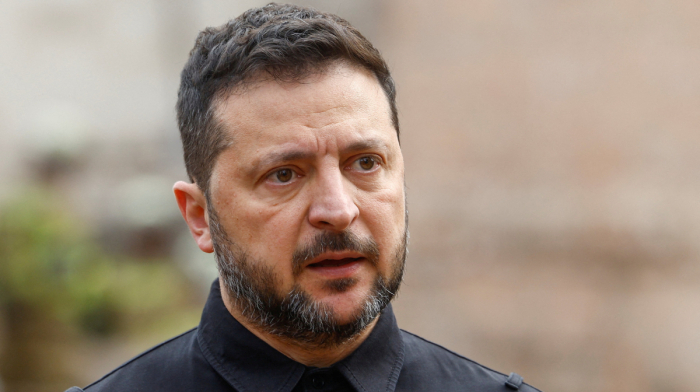
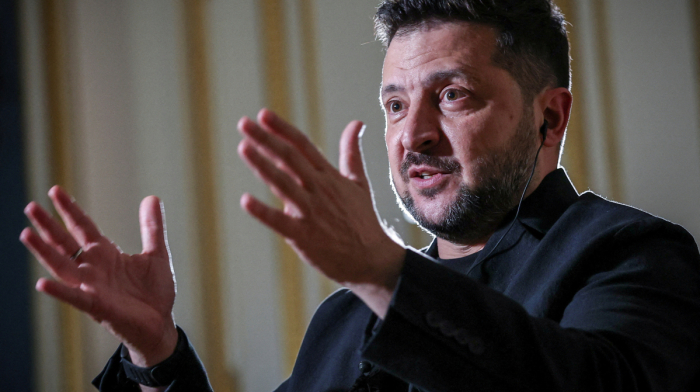
Ukraine is ready to stop attacks on Russian oil refineries if Moscow also halts strikes on Ukrainian energy infrastructure, President Volodymyr Zelenskyy said on Sunday.
One person was killed and nearly a dozen hurt in a new attack Riyadh's international airport on Sunday, Saudi authorities reported, a day after a strike claimed by Yemen's Houthis that killed 13 people and wounded more than 300.
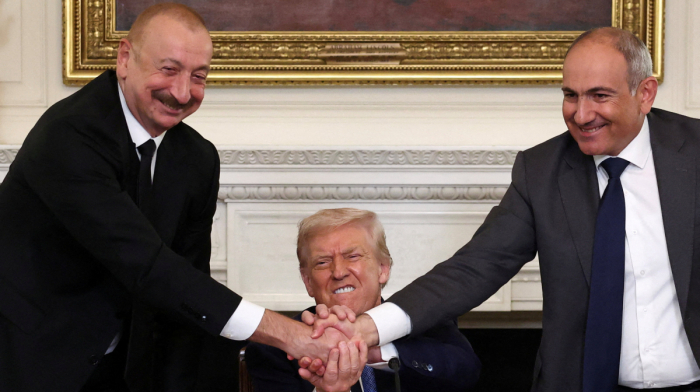
Russian President Vladimir Putin expressed surprise after Donald Trump mediated the Armenia-Azerbaijan peace agreement in 2025, the U.S. President said at a rally in New York state on Friday.
Russian strikes killed three people near a grocery store in Kharkiv and another three in western Ukraine on Sunday, Ukrainian officials said, hours after U.S. President Donald Trump announced an immediate energy ceasefire between Russia and Ukraine.
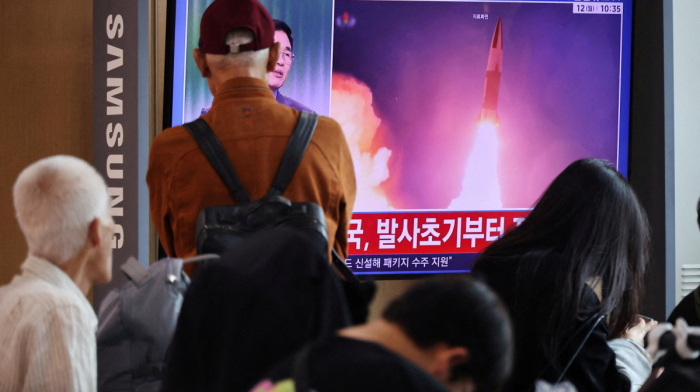
North Korea fired multiple ballistic missiles toward the sea off its east coast on Monday, South Korea's military said, marking Pyongyang's fourth launch in a month and following Seoul's recent test of a hypersonic missile.
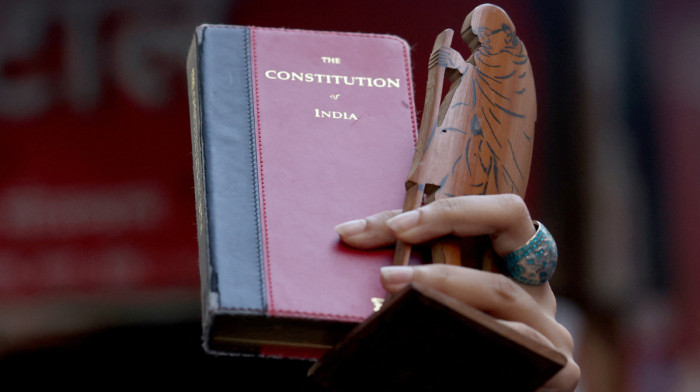
India’s ‘Cockroach’ movement began as an online satire-driven initiative and evolved into a protest group challenging political and institutional decisions. It has since drawn attention over education-related grievances and is now calling for the resignation of India’s Chief Election Commissioner.
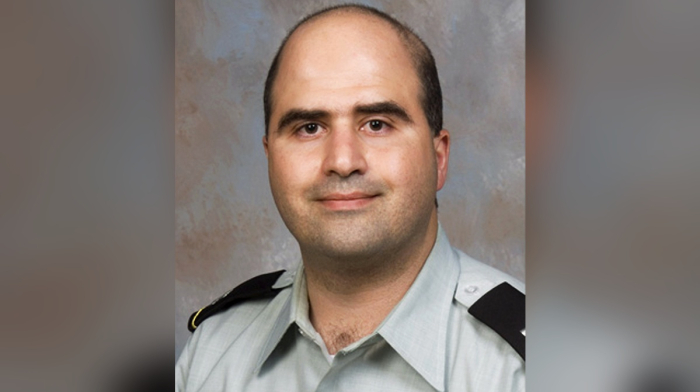
The Pentagon’s plan to livestream the execution of Nidal Hasan, the former U.S. Army psychiatrist who killed 13 people and wounded more than 30 others at Fort Hood in 2009, has raised questions about the legality of broadcasting executions and the limits of military justice.
Within a week of the death of Darya Shipilova, a 28-year-old worker at a Siberian plague institute, a neighbouring governor raised the possibility of plague, regulators found no evidence of it and Irkutsk lifted its quarantine. What killed her remains unexplained.
You can download the AnewZ application from Play Store and the App Store.
What is your opinion on this topic?
Leave the first comment