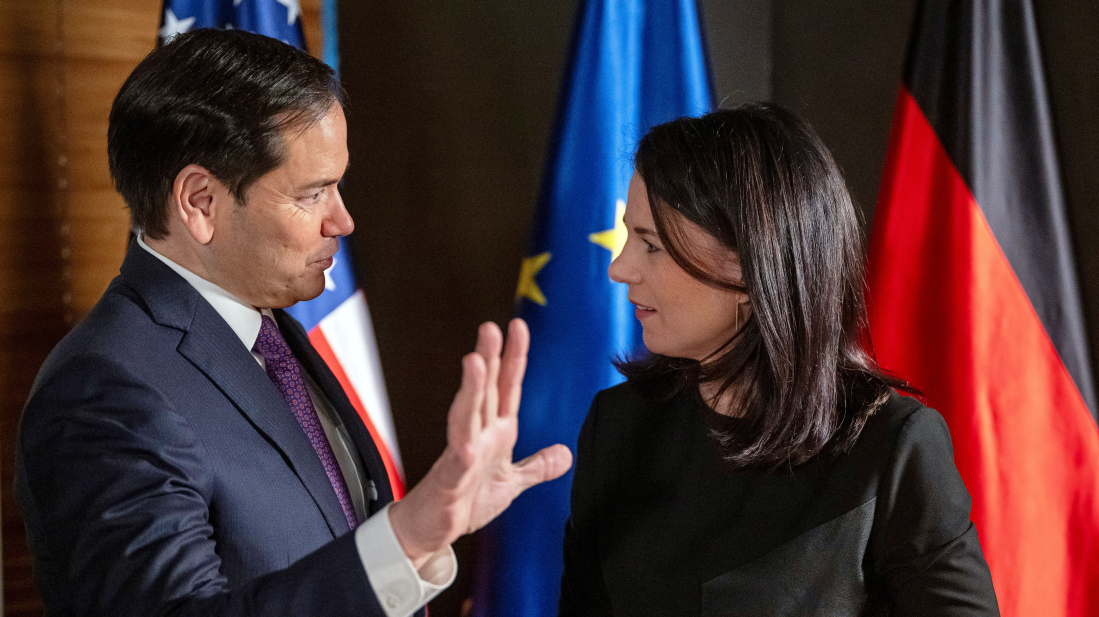
US Secretary of State Marco Rubio reaffirmed that Ukraine and Europe will be involved in any meaningful peace negotiations with Russia. Upcoming talks in Saudi Arabia will test Moscow’s commitment, amid concerns over US diplomatic moves and European security.
US Secretary of State Marco Rubio has assured that Ukraine and Europe will be involved in any substantial negotiations to end Moscow’s war, stressing that upcoming discussions with Russia in Saudi Arabia will serve as a test of President Vladimir Putin’s commitment to peace.
Speaking on CBS, Rubio sought to allay European concerns about being excluded from the initial US-Russia talks, clarifying that negotiations had not yet begun in earnest. If they progress, he emphasised, Ukraine and European allies would be included.
Earlier, Reuters reported that US officials had asked European counterparts how many troops they could contribute to enforcing a potential peace agreement between Ukraine and Russia.
"President Trump spoke to Vladimir Putin last week, during which Putin expressed an interest in peace. The president made clear his desire for a lasting resolution that safeguards Ukrainian sovereignty," Rubio stated on Meet the Press. However, he cautioned that a single phone call would not be decisive, and the coming weeks would determine Russia’s sincerity in ending the conflict.
US Middle East envoy Steve Witkoff and National Security Adviser Mike Waltz were due to depart for Saudi Arabia on Sunday evening, Witkoff confirmed in a Fox News interview. Rubio noted that his presence there was part of previously scheduled official travel. The composition of the Russian delegation remains undetermined.
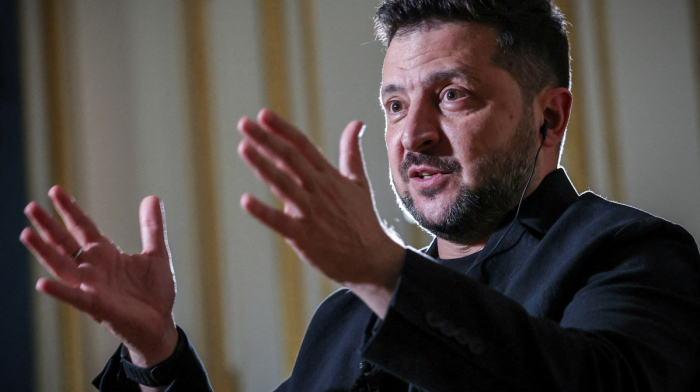
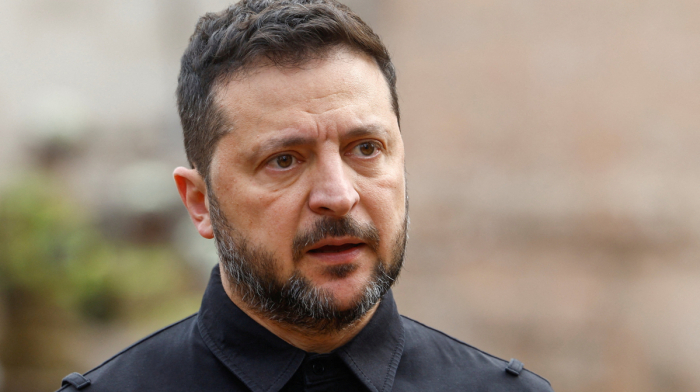
The discussions coincide with US efforts to secure investment opportunities in Ukraine’s natural resources. Ukrainian President Volodymyr Zelenskiy, in an NBC interview, questioned whether mineral-rich territories currently under Russian control would be ceded to Moscow as part of a potential settlement.
Trump, who spoke with Putin on Wednesday, expressed confidence that the Russian leader does not seek full control of Ukraine. “That would have been a big problem for me—you just can’t allow that,” he told reporters in Florida, adding that Zelenskiy would be involved in any peace discussions.
European concerns over exclusion
While Rubio and Witkoff dismissed fears that European nations would be sidelined, Trump’s Ukraine envoy, Keith Kellogg, had suggested otherwise at the Munich Security Conference.
Witkoff pointed out that Ukrainian officials had recently met with several US representatives at the conference and that Trump had held direct talks with Zelenskiy. Rubio reiterated that European involvement would be essential.
“If we reach the stage of real negotiations—and we are not there yet—Ukraine must be part of the process, as the nation under attack. European countries will also play a role due to the sanctions they have imposed on Russia,” he said.
French President Emmanuel Macron is set to host an emergency summit on Monday to discuss the latest developments, following European unease over recent US actions regarding Ukraine, Russia, and defence policy.
European leaders have voiced increasing concerns about the reliability of US military support and the possibility of a peace deal that could undermine Kyiv’s position and European security.
Asked whether he had discussed lifting sanctions on Russia during a call with Foreign Minister Sergei Lavrov, Rubio declined to confirm, stating only that details were not discussed. Moscow, however, claimed the conversation addressed the removal of “unilateral barriers” imposed by the previous US administration.
Rubio acknowledged that diplomatic relations between Washington and Moscow remain strained, noting that any progress on Ukraine would require both nations to have fully operational embassies in each other’s capitals.










What is your opinion on this topic?
Leave the first comment