Bukavu remained calm after M23 rebels, allegedly backed by Rwanda, moved into the eastern Congolese city with little resistance from government forces. The situation has raised fears of a wider regional conflict and potential impacts on DR Congo's vital mineral exports.
Bukavu was quiet on Sunday as M23 rebels, allegedly supported by Rwanda, entered the eastern Congolese city with minimal resistance from government troops, according to eyewitnesses and statements from the rebel group.
The Congolese government accused Rwanda of ignoring calls for a ceasefire but did not confirm whether M23 had fully taken control of Bukavu.
Rwanda rejects allegations from Democratic Republic of Congo, the United Nations, and Western powers that thousands of its troops are fighting alongside the Tutsi-led M23. It says it is defending itself against the threat from a Hutu militia, which it says is fighting with the Congolese military.
While the situation appeared largely calm, verified footage showed smoke rising from Bukavu's central prison.
Congolese troops have withdrawn from the city to avoid fighting in densely populated areas, South Kivu Governor Jean-Jacques Purusi told Reuters in a message, in which he also confirmed M23's arrival in Bukavu.
"They're in my residence already ... and my office," he said, adding that he and his team were safe elsewhere.
The gradual departure of Congolese and allied Burundian troops from Bukavu in recent days led to a power vacuum, triggering looting and a prison break on Saturday.
Since capturing Goma in late January, the rebels targeted Bukavu, a key commercial hub.
The group's recent gains in North and South Kivu provinces mean it has captured more territory than all other rebellions since the end of two major wars that ran from 1996 to 2003. These advances have also handed them control of some of the region's valuable mineral deposits.
DR Congo is the world’s leading cobalt producer and is a major copper supplier but faces growing concerns of the conflict's impact on crucial mineral exports.
The rebels' rapid advance this year, along with the involvement of troops from nearby countries, has raised fears of a regional conflict. These concerns are linked to old disputes over power, identity, and resources dating back to the 1990s Rwandan genocide.
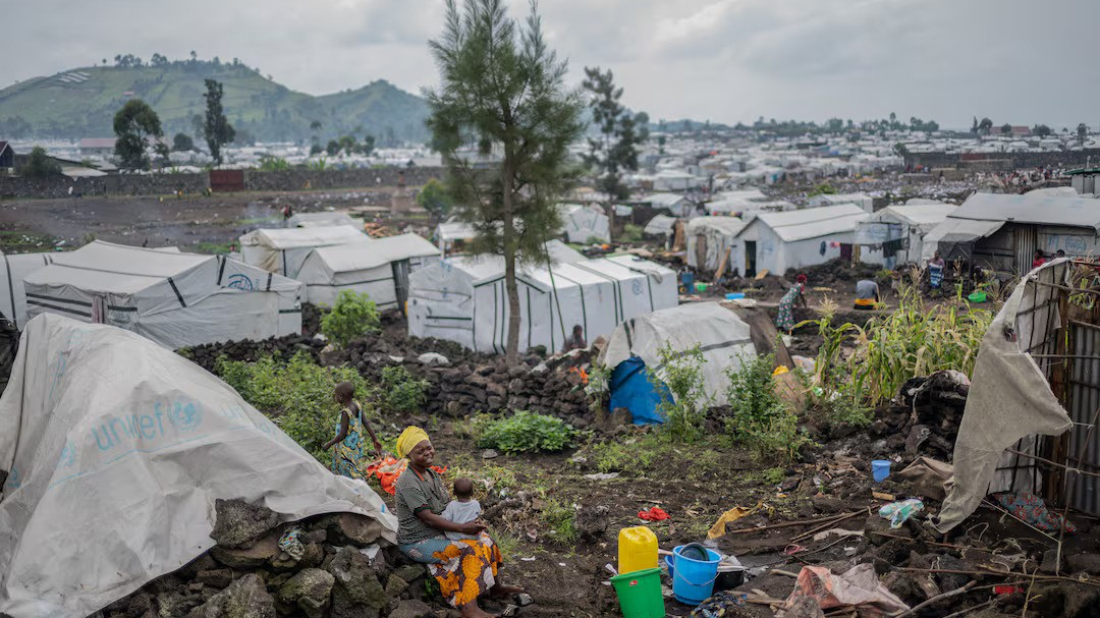
The insurgency has deepened an already dire humanitarian crisis in eastern provinces. The "rapidly deteriorating" situation has left about 350,000 displaced people with no roof over their heads, the U.N. refugee agency warned on Friday.
The well-equipped M23 is the latest in a long line of ethnic Tutsi-led rebel movements to emerge in Congo's volatile east. It denies Congo's allegations it is a Rwandan proxy.













What is your opinion on this topic?
Leave the first comment