




23:25 CET
Nigeria confirms Ebola case in Abuja
Nigerian health authorities have confirmed a case of Ebola disease in the Federal Capital Territory (FCT)...
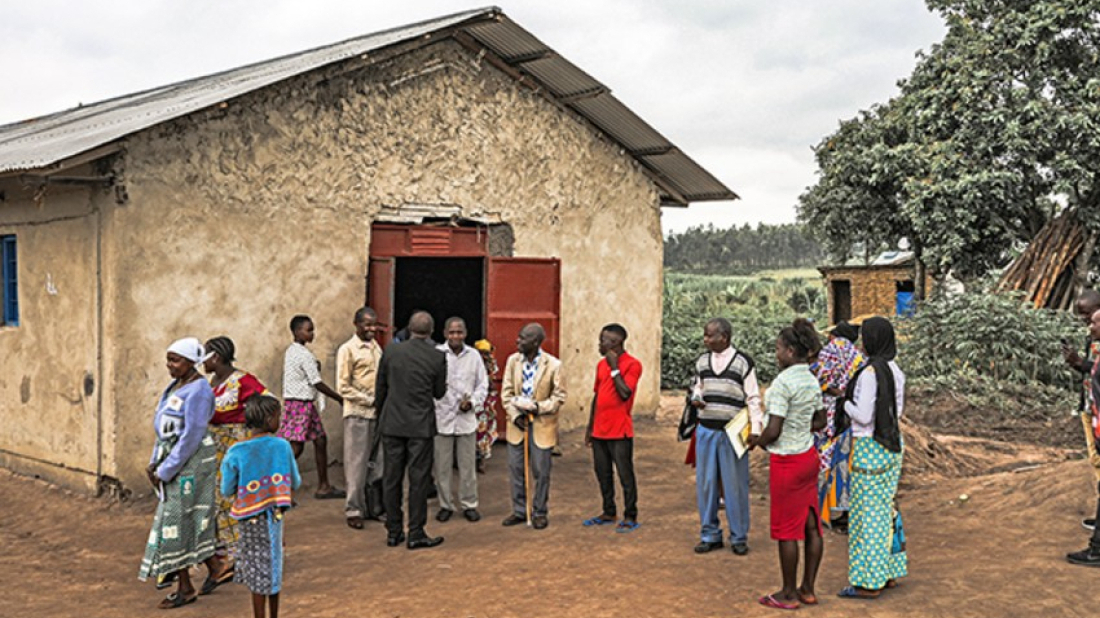


Seventy bodies were discovered beheaded and bound in a church in an abandoned village in eastern DR Congo, believed to be victims of the violent Allied Defence Forces (ADF) rebels.
A chilling discovery has been made in the eastern region of the Democratic Republic of Congo (DRC), as at least 70 bodies were found tied up and beheaded inside a church in the abandoned village of Kasanga. The victims, believed to have been held hostage for several days, were discovered on Friday, following an attack by the Allied Democratic Forces (ADF), a rebel group linked to ISIS.
The bodies were located in a Protestant church where the local population had sought refuge before fleeing repeated assaults. According to Vianney Vitswamba, the head of the local community protection committee, the victims were found near Mayba, a locality affected by ongoing conflict. Many had been held captive by the ADF, which has terrorized the region and is considered one of the deadliest groups operating in the area.
As the ADF continues its reign of terror in the region, people in surrounding areas have been forced to leave their homes, seeking safety in nearby villages. While the M23 group has historically been viewed as the largest threat, the ADF's increasing brutality has raised significant concerns over the humanitarian crisis in the DRC.
The discovery adds to the growing list of atrocities committed by the ADF, which has left thousands of innocent civilians in its wake. International attention on the group’s activities is mounting as the situation in eastern DRC deteriorates, with the bodies found in Kasanga serving as a tragic reminder of the region’s ongoing struggle with extremist violence and instability.

Nigerian health authorities have confirmed a case of Ebola disease in the Federal Capital Territory (FCT)...
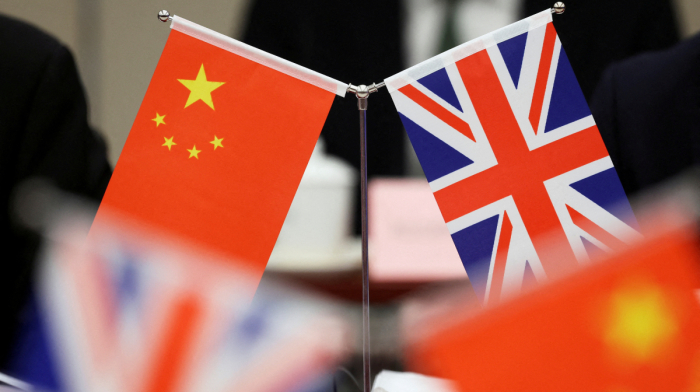
China has lodged a formal diplomatic protest with the UK after British border officials allegedly subjected Chinese travellers to lengthy questioni...
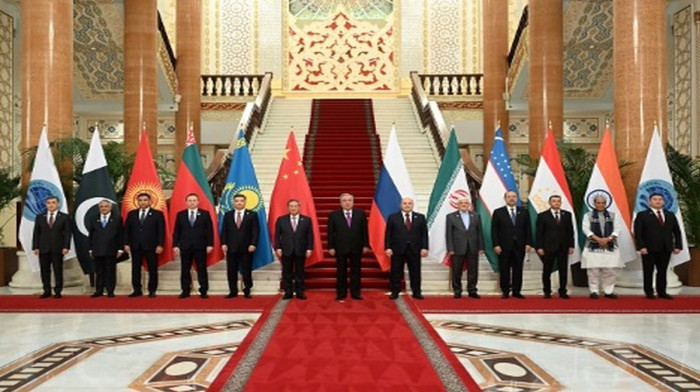
Member states of the Shanghai Cooperation Organisation (SCO) prevented 273 terrorist attacks and more than 3,000 crimes linked to terrorism, separa...
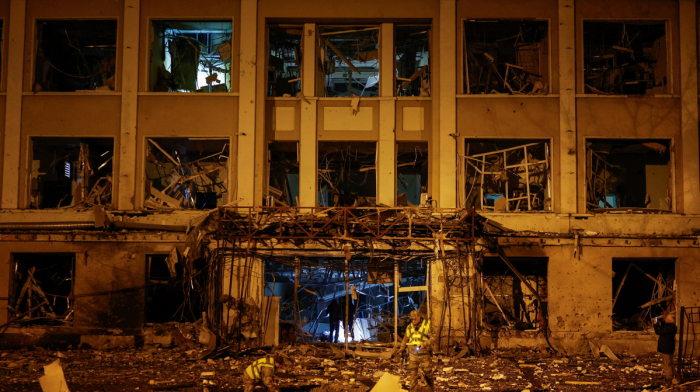
U.S. President Donald Trump has criticised Ukrainian President Volodymyr Zelenskyy for continuing to target Russia's energy infrastructure, while Russian strikes on Kyiv overnight killed at least one person and damaged a metro station.
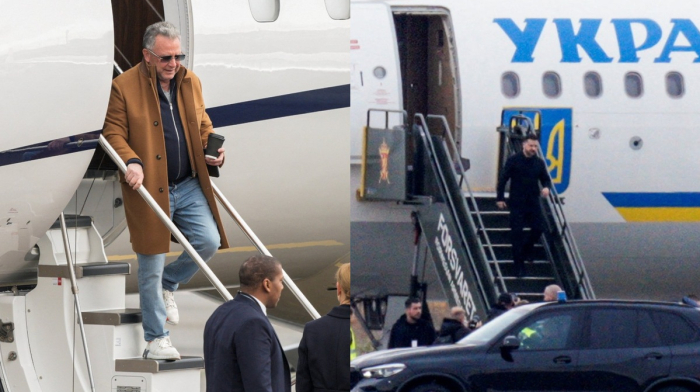
Ukrainian President Volodymyr Zelenskyy has arrived in Norway for talks about the Russia-Ukraine war. He is expected to meet with U.S. President Donald Trump's Special Envoy Steve Witkoff, who arrived in Oslo earlier. Witkoff will also meet European officials.
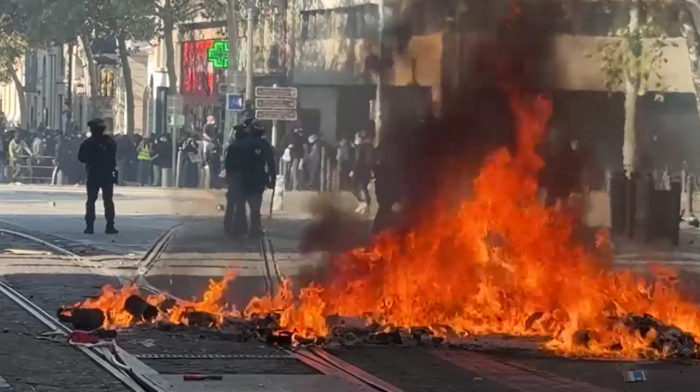
French President Emmanuel Macron has condemned the violence, looting and vandalism that erupted during cost-of-living protests across France. Prime Minister Sébastien Lecornu held crisis talks on Monday, calling for partial curfews and raising the possibility of a state of emergency.
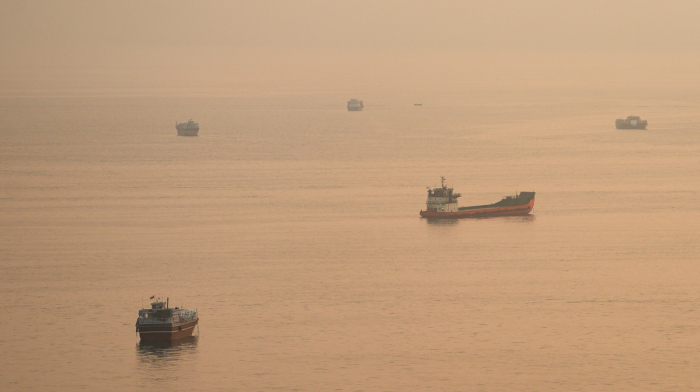
An oil tanker caught fire after striking a naval mine in the southern part of the Strait of Hormuz, Iran’s Islamic Revolutionary Guard Corps (IRGC) Navy said late Sunday.
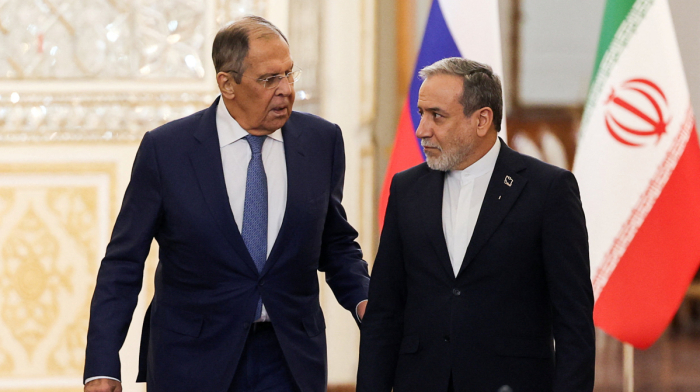
Iranian Foreign Minister Abbas Araghchi said regional issues should be resolved through diplomacy and blamed the United States for insecurity and tensions in the Strait of Hormuz, speaking at a joint news conference with Russian Foreign Minister Sergey Lavrov on Monday.
Nigerian health authorities have confirmed a case of Ebola disease in the Federal Capital Territory (FCT), prompting the activation of emergency public health measures aimed at preventing further transmission of the deadly virus.
China has lodged a formal diplomatic protest with the UK after British border officials allegedly subjected Chinese travellers to lengthy questioning and seized personal electronic devices, including phones, laptops and smartwatches.
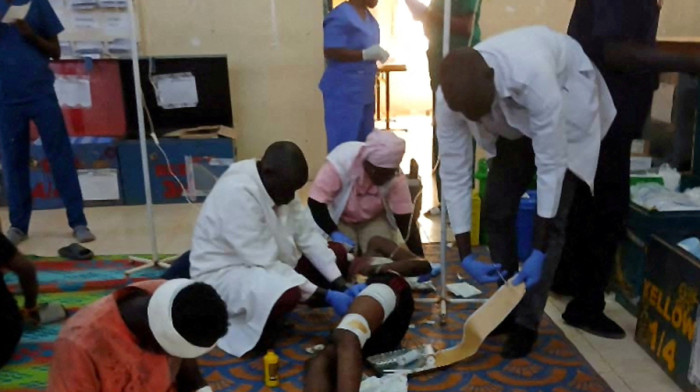
More than 150 people have been killed in a drone strike on a crowded market in the disputed Abyei region, South Sudanese officials said, marking one of the deadliest attacks linked to Sudan's civil war since it began in April 2023.
Ukrainian President Volodymyr Zelenskyy has arrived in Norway for talks about the Russia-Ukraine war. He is expected to meet with U.S. President Donald Trump's Special Envoy Steve Witkoff, who arrived in Oslo earlier. Witkoff will also meet European officials.
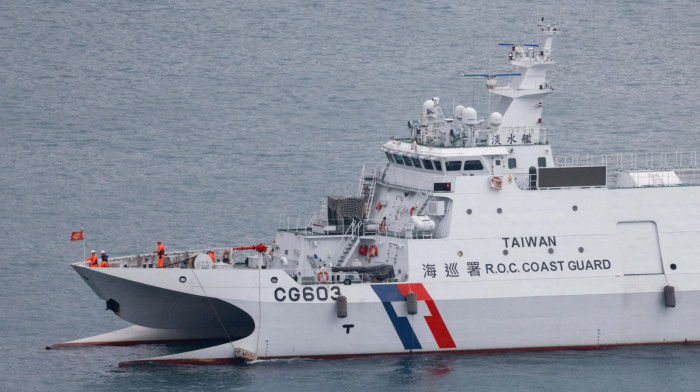
Beijing says it deployed naval forces to monitor a U.S. warship near Sabina Shoal, while Taiwan reports a separate confrontation with a Chinese coast guard vessel near the Pratas Islands.
You can download the AnewZ application from Play Store and the App Store.




What is your opinion on this topic?
Leave the first comment