Here's your AnewZ Daily Brief for 2 November, covering five developments as demonstrations over living costs, political accountability and democratic rights continue across Europe and Asia.
Germany: Ministers promise crackdown after Frankfurt riots
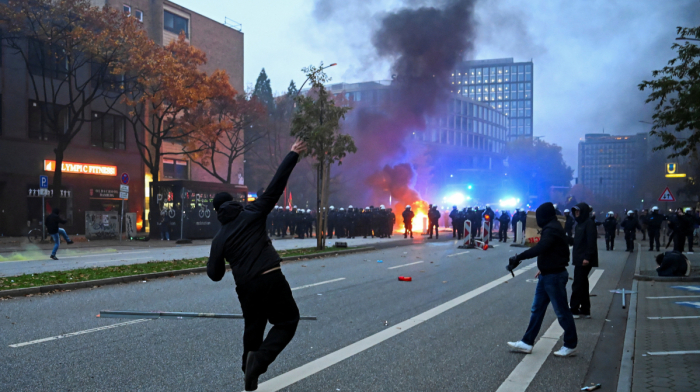
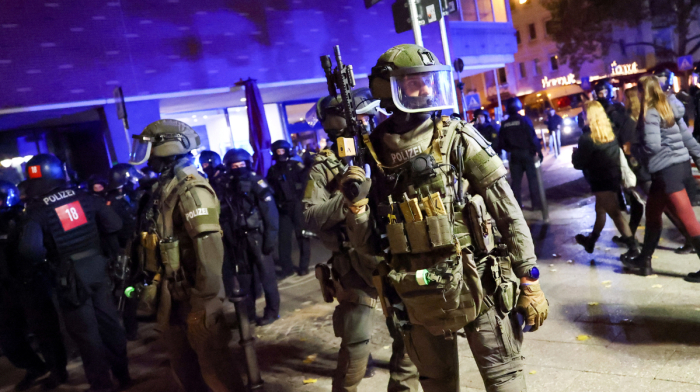
German ministers have vowed tough penalties after violent clashes in Frankfurt left more than 100 police officers injured following nationwide demonstrations organised by the youth-led “Gen Z regelt” movement.
Tens of thousands of people protested across more than 30 German cities on Saturday, 31 October, demanding better education, stronger social policies and relief from rising living costs.
Most demonstrations were peaceful, but violence erupted after dark in Frankfurt, Berlin, Hamburg and Cologne.
India: Thousands demand election chief's resignation
While Germany grapples with violent unrest, protesters in India are challenging the country's electoral process.
Thousands of protesters gathered in New Delhi on Sunday, 1 November, demanding the resignation of India's Chief Election Commissioner Gyanesh Kumar over controversial changes to electoral registers.
Opposition leader Rahul Gandhi led the demonstration, accusing authorities of undermining democratic rights through a voter-list revision that removed more than 130 million names.
Opposition parties allege that minority communities were disproportionately affected and that the changes could benefit Prime Minister Narendra Modi's Bharatiya Janata Party.
The Election Commission denies political bias, saying the exercise removes duplicate and ineligible registrations and allows eligible voters to seek reinstatement.
France: Paris imposes curfew as protests continue
Back in Europe, France is facing another weekend of demonstrations.
French authorities imposed an overnight curfew in parts of central Paris following another weekend of nationwide demonstrations over living costs, fuel prices and education.
The restrictions covered the République and Châtelet-Les Halles areas from Saturday night until Sunday morning.
Most marches remained peaceful, but police confronted smaller groups after demonstrations in Paris, Lyon and Toulouse.
France's Interior Ministry estimated nationwide participation at 320,000, including 70,000 in Paris, down from 410,000 the previous weekend.
President Emmanuel Macron's government faces mounting pressure as France struggles with weak economic growth and strained public finances.
Portugal: Police dismantle Lisbon housing protest camp
Housing costs are also driving unrest in neighbouring Portugal.
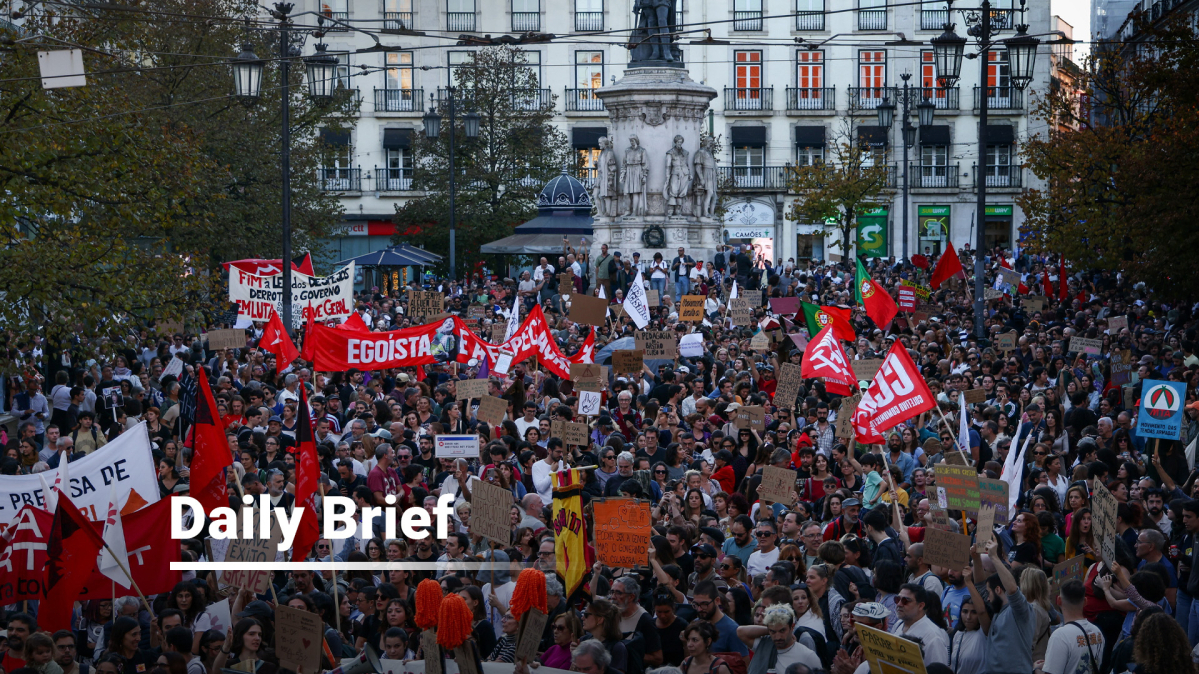
Police cleared a protest camp in Lisbon's Rossio Square early on Sunday after thousands demonstrated against proposed changes to Portugal's rental laws.
Protesters had erected more than 50 tents following Saturday's march, demanding the government withdraw legislation that would make evictions easier and end rent caps on new leases.
Officers dispersed hundreds of demonstrators using shields and, in some cases, batons. Police also dismantled a smaller camp in Porto.
Portugal faces severe housing affordability pressures. House prices have more than doubled since 2017, while rents for new leases have nearly doubled.
Albania: Protesters demand Rama's resignation amid clashes
Further east, protests in Albania have turned violent.
Thousands of demonstrators took to the streets of Tirana, Albania, on Saturday, 31 October, demanding Prime Minister Edi Rama's resignation over alleged corruption, unemployment and poor education standards.
Police deployed water cannons as protesters threw petrol bombs and paving stones, with tensions escalating around government buildings.
The demonstrations follow weeks of student-led protests and growing dissatisfaction with Rama's government, which has been in power since 2013.
Opposition lawmakers also disrupted a parliamentary session on Thursday, 29 October, setting off flares and blocking access to the podium.











What is your opinion on this topic?
Leave the first comment