


09:11 CET
Election results
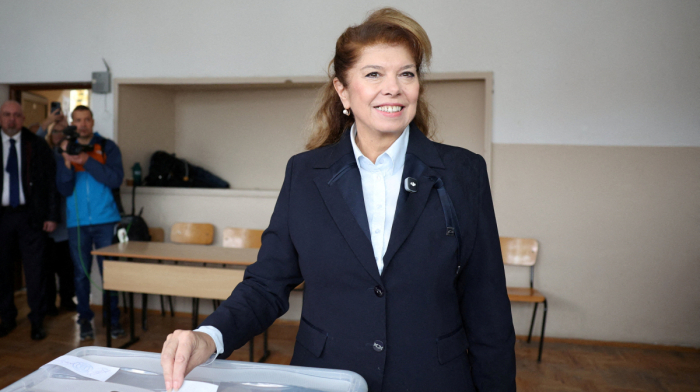
Bulgaria's acting President Iliana Iotova takes lead in presidential runoff vote
Exit polls show...
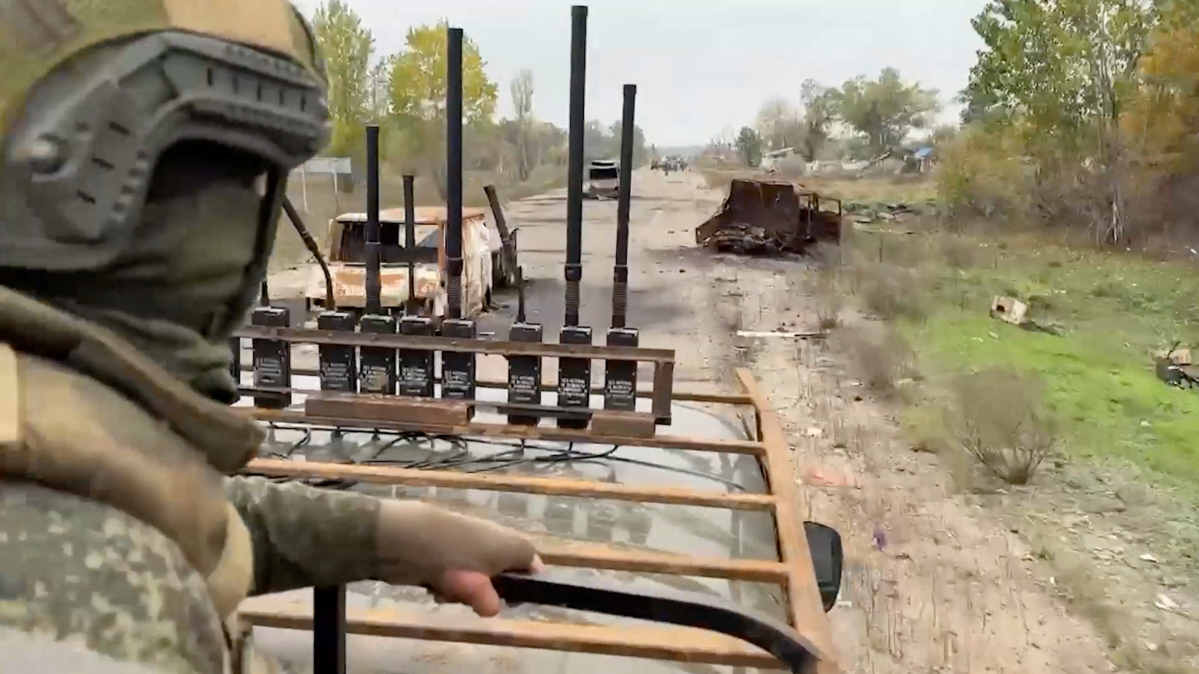


A six-day humanitarian ceasefire in the Russian-held Ukrainian town of Oleshky ended on Sunday, 1 November, after facilitating aid deliveries and civilian evacuations.
The temporary pause, which began on 27 October, was coordinated through humanitarian representatives from both countries with the involvement of U.S. First Lady Melania Trump. Ukrainian Human Rights Commissioner Dmytro Lubinets confirmed its conclusion in a statement on X.
Ukraine's military separately reported evacuating 167 civilians from dangerous areas of the Kherson region, including 22 children and 21 people with limited mobility. Melania Trump said the wider humanitarian mission had enabled nearly 800 people to leave the area.
In an official X statement, Melania Trump said the ceasefire had ended as planned.
“The mission was a success, delivering critical aid to the region and enabling the evacuation of nearly 800 people,” she wrote.
The First Lady praised Russia and Ukraine for their cooperation and expressed hope that the Oleshky agreement could serve as a foundation for lasting peace.
Ukraine's Human Rights Commissioner Dmytro Lubinets also confirmed the end of the agreement, saying both sides had honoured their commitments.
He credited cooperation with Russian Human Rights Commissioner Yana Lantratova and said they were exploring further humanitarian initiatives.
According to Lubinets, the temporary arrangement allowed humanitarian aid to reach Oleshky and helped civilians leave the town safely.
Ukraine's General Staff said its southern military units, working with local authorities, evacuated 167 civilians from dangerous areas on the Ukrainian-controlled western bank of the Dnipro River.
The military said the group included 22 children and 21 people with limited mobility who required additional assistance.
According to the General Staff's statement, the operation took place along hazardous routes affected by mines, destroyed military equipment and damaged civilian vehicles.
Meanwhile, Russia's Human Rights Commissioner Yana Lantratova said the humanitarian mission had mobilised 25 buses with capacity for at least 750 passengers, nine ambulances and more than 50 medical workers, according to her official Telegram channel on 30 October.
Oleshky lies on the eastern bank of the Dnipro River, opposite the Ukrainian-held city of Kherson.
Russian forces captured the town in the early stages of the full-scale invasion in February 2022. Ukraine subsequently regained control of Kherson city and much of the surrounding western bank.
The temporary ceasefire provided a limited opportunity for humanitarian operations in an area where civilians have faced prolonged insecurity and restricted access to essential supplies.
However, the agreement did not amount to a nationwide suspension of hostilities.
Kherson regional governor Oleksandr Prokudin warned residents against entering dangerous settlements near the Dnipro River, where he said Russian strikes continued to threaten civilian lives.
Both countries' human rights representatives have indicated that further humanitarian operations remain possible.
Lubinets said he and Lantratova were working to identify opportunities to continue cooperation.
The agreement also drew attention from the Vatican, with Pope Leo expressing hope that humanitarian coordination could encourage wider peace efforts.
No extension of the Oleshky ceasefire or broader agreement to suspend fighting had been announced.
Meanwhile, Ukrainian President Volodymyr Zelenskyy highlighted the continuing military conflict in a separate statement on X.
He said Ukrainian forces had recaptured 96.2 square kilometres of territory during October and claimed Russia had suffered 54,400 troops killed or seriously wounded during the month.
Zelenskyy concluded that Russia needed to choose “a ceasefire and diplomacy” to stop further losses.
For civilians in Oleshky and the surrounding Kherson region, the ceasefire's conclusion leaves a central question unanswered: whether the temporary humanitarian coordination can continue without a renewed agreement.
Both sides have signalled an interest in further operations, but no new humanitarian pause has been confirmed.

Exit polls show...
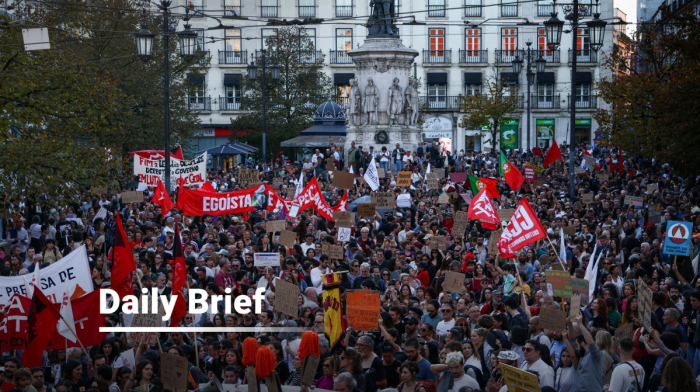
Here's your AnewZ Daily Brief for 2 November, covering five developments as demonstrations over living costs, political accountability and demo...
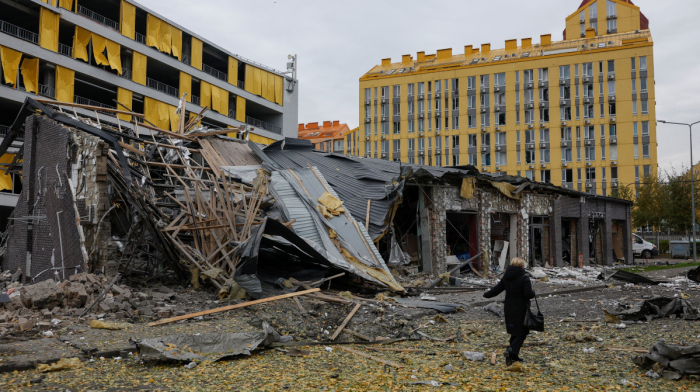
Ukraine and Russia have both reported cyberattacks ...
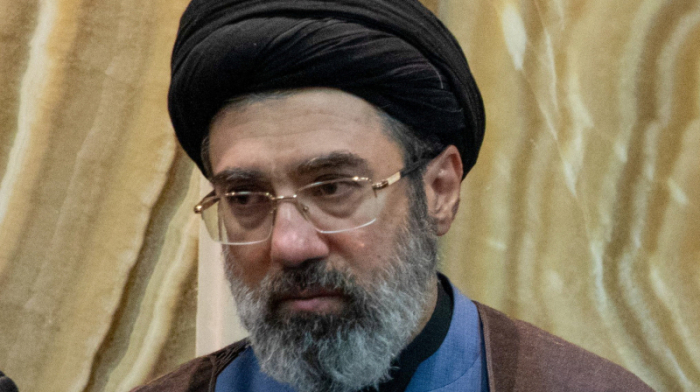
Iranian Supreme Leader Ayatollah Khamenei has ordered Iran's armed forces to respond to any threat immediately and without geographical limits in statements posted to social media platforms on Saturday (31 October).
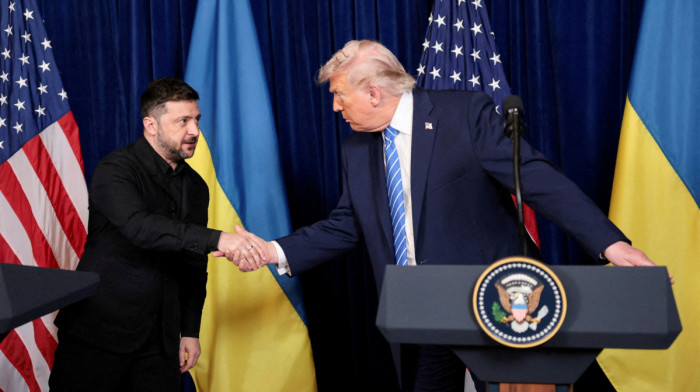
The U.S. has approved the sale of 500 Patriot PAC-3 missiles to Ukraine in a deal worth an estimated $2.1 billion, but Kyiv could face years of delays before receiving the weapons it urgently needs to defend against intensifying Russian attacks.
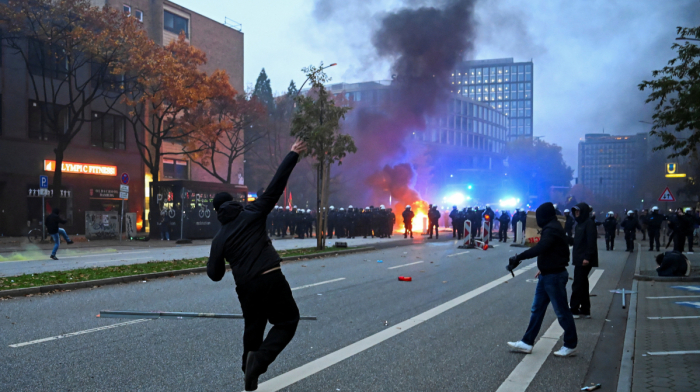
Gen Z protests swept 34 German cities on Saturday (31 October) over education and living costs. Violence erupted in Frankfurt, where shops were looted and police reported Molotov cocktail attacks.

Saudi Aramco's acquisition of a 49 per cent stake in artificial intelligence (AI) company HUMAIN is putting a spotlight on a wider investment question: why are some of the world's biggest energy companies moving deeper into AI, and what do they expect to gain?

A tenth-grade student was critically injured after a man attacked her with a chainsaw inside a classroom in Andhra Pradesh’s Anantapur district. The girl suffered severe injuries to her head, neck and back, while a classmate who tried to protect her was also hurt.
Exit polls showed Bulgaria's acting President Iliana Iotova led a low-turnout runoff vote for the largely ceremonial role on Sunday, putting her on course to become the country's first elected female head of state.
Here's your AnewZ Daily Brief for 2 November, covering five developments as demonstrations over living costs, political accountability and democratic rights continue across Europe and Asia.
Ukraine and Russia have both reported cyberattacks targeting their emergency alert apps, with false warnings and misleading information briefly reaching users, raising concerns over digital security amid the ongoing conflict between the two countries.
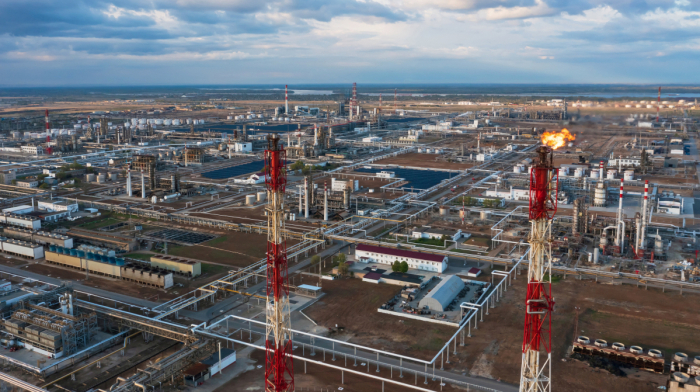
Russia’s Investigative Committee has opened a criminal case on terrorism charges after a large-scale overnight drone attack on Saturday damaged an industrial facility and civilian infrastructure in the Nizhny Novgorod region.
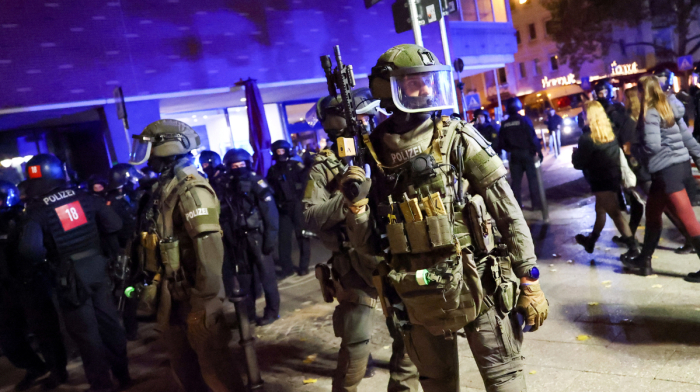
German ministers have vowed tough penalties for rioters and looters who damaged shops and injured more than 100 police officers in Frankfurt overnight, while praising security forces for preventing wider unrest.
You can download the AnewZ application from Play Store and the App Store.




What is your opinion on this topic?
Leave the first comment