Kyrgyzstan scheme aims to improve young families' parenting skills
The Cabinet of Ministers of Kyrgyzstan has approved a new programme aimed at develop...
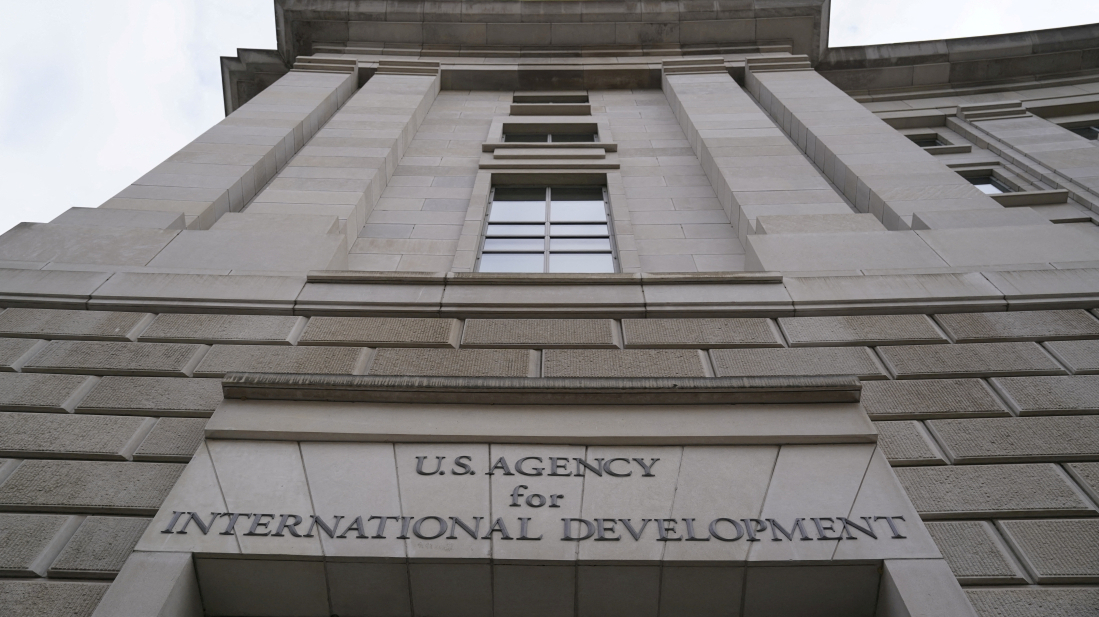
The Trump administration will retain fewer than 300 staff at the U.S. Agency for International Development (USAID) out of its global workforce of over 10,000, sources told Reuters. The decision follows USAID’s effective shutdown after Trump’s foreign aid freeze, leaving key relief efforts in crisis.
The mass reduction in USAID staffing is the latest escalation in the administration’s restructuring of foreign aid, following Trump’s executive order pausing U.S. humanitarian funding for 90 days. Since the freeze began on January 20, relief groups have struggled to operate as most USAID employees were placed on leave, cutting off access to essential funding and logistical support.
USAID’s closure has already halted food aid deliveries to conflict zones, including Sudan and Gaza, leaving 500,000 metric tons of food supplies stranded in storage. The shutdown also eliminated the Famine Early Warning Systems Network (FEWS NET), a key tool for tracking global hunger crises, raising fears that famine relief efforts could collapse.
Aid workers say volunteer-run food programs have been disrupted, while millions of ready-to-eat nutrition packets for malnourished children remain stuck in warehouses due to uncertainty over funding approvals.
The Trump administration’s focus has shifted toward combating drug cartels and international gangs, redirecting resources away from traditional foreign aid priorities. While some emergency food assistance is expected to continue, humanitarian organizations warn that the lack of USAID personnel could cripple distribution efforts in the months ahead.
The drastic staff reduction has left relief groups in limbo, uncertain whether critical food, health, and disaster relief programs will resume or face further cuts.

Mojtaba Khamenei, son of the late Ayatollah Ali Khamenei, is a hardline cleric with strong backing from the Islamic Revolutionary Guard Corps. His rise signals continuity in Tehran's anti-Western policies.
Global oil prices surpassed $119 a barrel on Monday (9 March, 2026), an almost four year high, as the Middle East conflict rumbled on.
China has urged Afghanistan and Pakistan to resolve their dispute through dialogue after Chinese envoy Yue Xiaoyong met Afghan Foreign Minister Amir Khan Muttaqi, as fighting between the two neighbours entered its eleventh day.
Welcome to our live coverage as the conflict involving Iran enters its 11th day. Tensions in the region remain high as the United States and Iran exchange increasingly sharp warnings over the strategic Strait of Hormuz, a critical artery for global oil supplies.
Entry and exit across the state border between Azerbaijan and Iran for all types of cargo vehicles, including those in transit, will resume on 9 March, according to a statement by the Cabinet of Ministers of Azerbaijan.
U.S. Ambassador to the United Nations, Mike Waltz, has addressed the U.N. Security Council, saying the world must consider how effective its engagement with the Taliban-run country is as millions face hunger.
British MPs have rejected a proposal to introduce an Australia-style ban on social media for under-16s, opting instead to give ministers flexible powers to impose restrictions on platforms.
Australia has granted humanitarian visas to five Iranian women footballers who sought asylum, fearing persecution after refusing to sing their national anthem at an Asia Cup match.
Start your day informed with AnewZ Morning Brief. Here are the top news stories for the 10th of March, covering the latest developments you need to know.
U.S. President Donald Trump called his recent phone conversation with Russian President Vladimir Putin “very good.” The two leaders spoke on Monday about the situation in Iran and other international issues.
You can download the AnewZ application from Play Store and the App Store.
What is your opinion on this topic?
Leave the first comment