The USS Abraham Lincoln has returned to San Diego after one of the longest and most demanding deployments in recent U.S. naval history.
Drawing to a close is a mission that placed the aircraft carrier at the centre of military operations against Iran while also exposing the strains of extended service at sea.
Before the vessel's arrival, U.S. Defence Secretary Pete Hegseth travelled to the carrier to thank its sailors and present the crew with a Presidential Unit Citation, one of the highest honours awarded to a military unit.
The Lincoln and its strike group spent more than ten months deployed, including a record stretch of more than 260 consecutive days without a port visit.
According to U.S. defence officials, the carrier played a major role in operations linked to the conflict with Iran. The strike group conducted thousands of combat missions, launched cruise missiles against targets, intercepted drones and participated in maritime operations designed to counter Iranian military capabilities.
Pentagon officials credited the crew with maintaining operational readiness throughout the deployment despite the intensity of combat operations and logistical challenges.
Hegseth told sailors that their actions had helped advance U.S. strategic objectives and praised their ability to continue operations under difficult circumstances.
Mental health challenges draw attention
The carrier's deployment also attracted public scrutiny due to concerns over crew welfare.
Reports of limited resupply opportunities, reduced food options and growing stress levels prompted questions about conditions aboard the vessel during the later stages of the mission.
The U.S. Navy has acknowledged that several sailors experienced mental health crises during the deployment, highlighting the pressures associated with lengthy periods at sea and sustained combat readiness.
Military experts note that long deployments have historically posed challenges for naval personnel, particularly when opportunities for rest, shore leave and family contact are restricted.
Navy leaders have maintained that essential services remained available to crew members and that support systems were in place throughout the voyage.
Emotional homecoming in San Diego
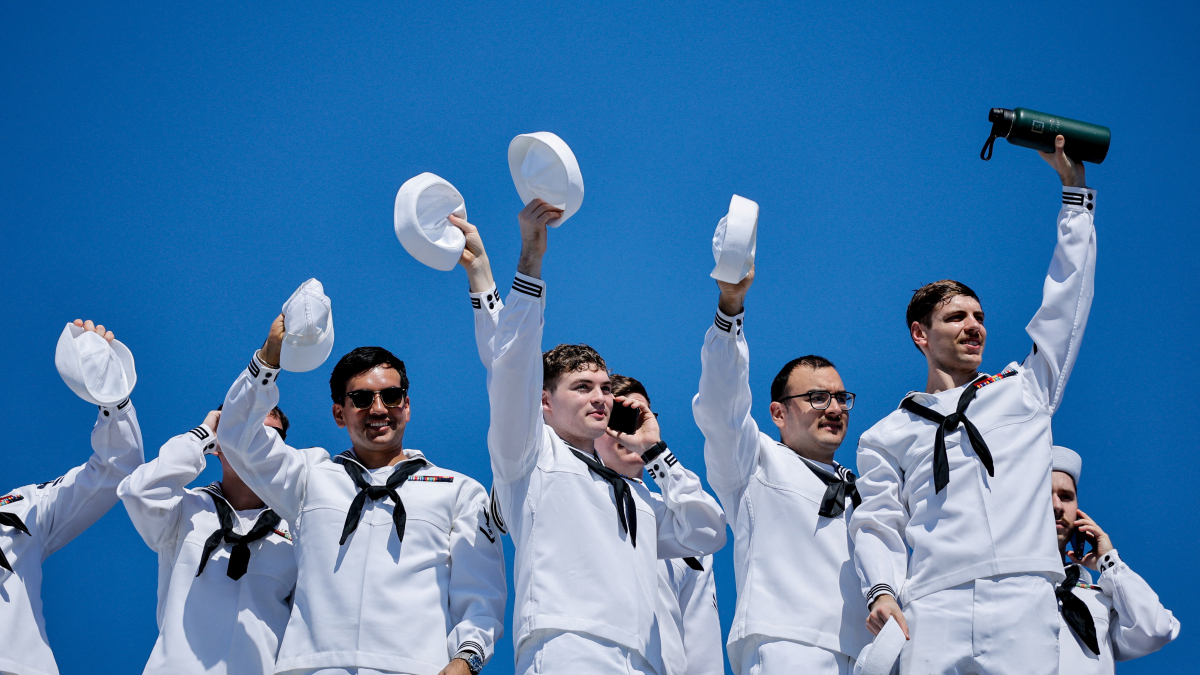
As the carrier entered San Diego Bay, sailors were greeted by relatives, friends and supporters waiting along the waterfront.
Families described months of uncertainty as reports of operational pressures aboard the ship emerged during its deployment.
For many crew members, the return marked the end of their first major overseas mission. Some sailors reunited with children they had never met in person, while others returned after spending nearly a year away from their families.
The Navy said dozens of fathers aboard the carrier met newborn children for the first time after disembarking.
Debate over length of deployment
The Lincoln's mission has also fuelled debate over how long American forces should remain deployed during periods of conflict.
While aircraft carriers routinely spend six to nine months on deployment, security demands and military operations can result in extensions.
The carrier's prolonged presence in the Middle East reflected Washington's effort to maintain pressure on Iran during a conflict that has become increasingly significant in U.S. domestic politics.
Rising energy prices and the financial cost of operations have become campaign issues ahead of the upcoming midterm elections, putting additional focus on the administration's strategy.
The Lincoln's return comes at a pivotal moment in U.S.-Iran relations, with diplomatic efforts continuing alongside military and economic pressure.
While officials praised the carrier's operational achievements, the deployment has also become a case study in the human cost of prolonged military operations.
For the sailors returning home, however, the focus shifted from geopolitics to reunions with loved ones after months at sea.
As celebrations unfolded on the San Diego waterfront, many crew members said the simple prospect of returning home, seeing family and enjoying a normal routine again was the reward they had been waiting for throughout a long deployment.
Read more:





















What is your opinion on this topic?
Leave the first comment