Start your day informed with AnewZ Morning Brief: here are the top news stories for February 4th, covering the latest developments you need to know.
1. Mexican president says US tariffs are put on hold for one month
Mexican President Claudia Sheinbaum announced on Monday that the 25% tariffs imposed by U.S. President Donald Trump on February 1 will be suspended for a month.
In a statement on her X account, Sheinbaum mentioned having a conversation with Trump, during which they reached agreements on border issues and fentanyl trafficking.
2.Uganda starts clinical trial of vaccine for Sudan strain of Ebola
Uganda has begun a trial vaccination programme for the strain of Ebola viral infection that is behind Sudan's latest outbreak, according to the World Health Organization (WHO), while the number of confirmed cases has risen to three.
Last week, the east African country announced an outbreak of Ebola in the capital, Kampala, with a single case, a nurse who died on January 29.
3. Azerbaijan, Kazakhstan and Uzbekistan approve green energy pact
Azerbaijan’s Milli Majlis has approved a partnership agreement with Kazakhstan and Uzbekistan to boost renewable energy cooperation.
4. Polar bear population drops as Arctic ice melts
Researchers at the University of Toronto found that melting sea ice in Hudson Bay has led to a nearly 50% decline in the polar bear population since 1979.
Reduced hunting time has caused weight loss and fewer cubs, threatening survival as Arctic warming accelerates.
5. World Cancer Day raises awareness of global fight against disease
Marked annually on February 4, World Cancer Day highlights prevention and early detection. In 2022, there were 20 million new cancer cases and 9.7 million deaths worldwide.
Experts warn of a 47% rise in global cases by 2040, stressing the need for awareness and action.
6. WHO considers $400 million budget cut after U.S. withdrawal
WHO member states are discussing a $400 million budget cut following Donald Trump’s decision to withdraw the U.S. from the organization. The budget proposal for 2026-2027 reduces core program funding to $4.9 billion, reflecting the loss of WHO’s largest donor.
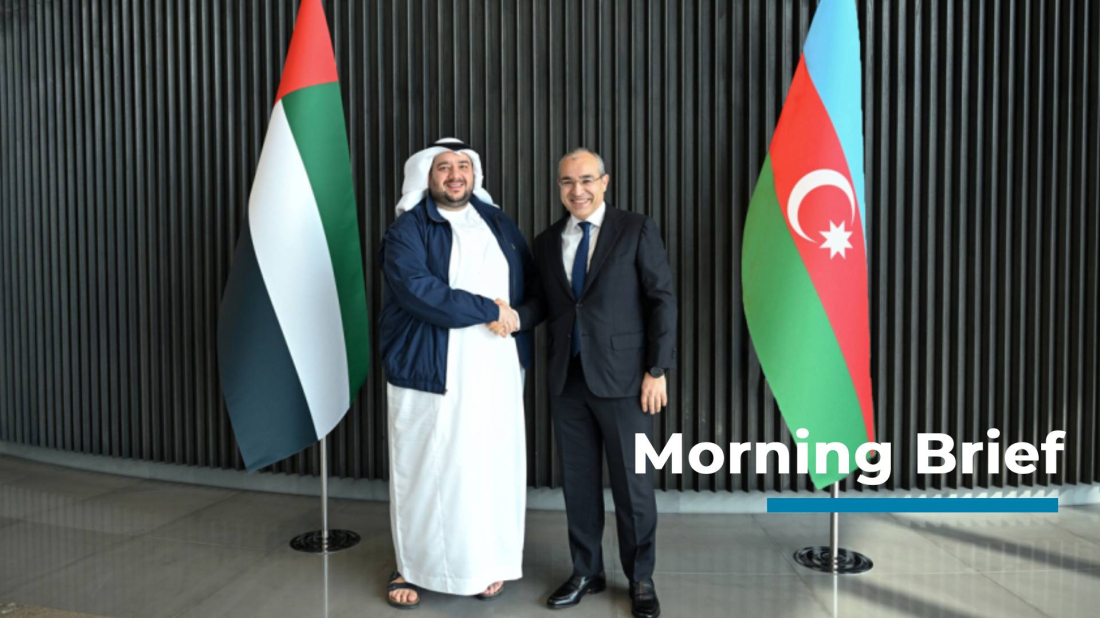
7. Azerbaijan, UAE discuss investment and economic cooperation
Azerbaijani Economy Minister Mikayil Jabbarov met with UAE Minister of Investment Mohamed Hassan Al Suwaidi to discuss strengthening trade and investment ties. They reviewed joint investment fund activities and potential cooperation in energy, agriculture, and finance.











What is your opinion on this topic?
Leave the first comment