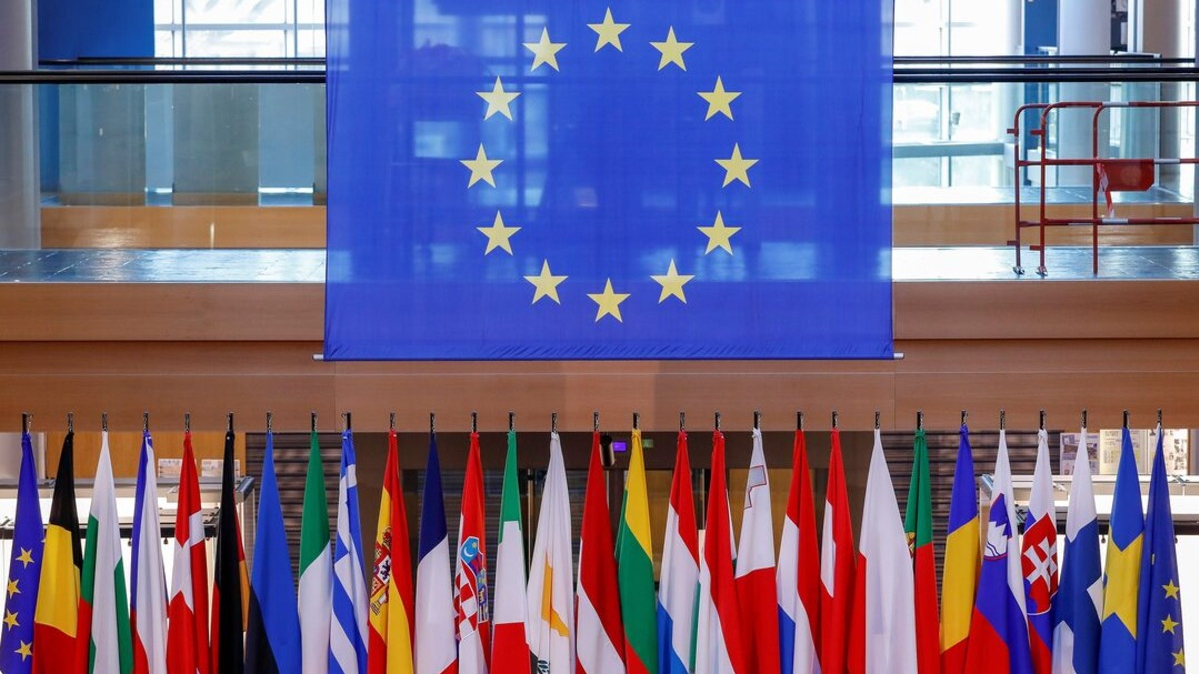
A group of 11 European Union countries has called for changes to the bloc’s foreign policy decision-making process, arguing that the excessive use of vetoes is hampering the EU’s ability to respond quickly to international crises.
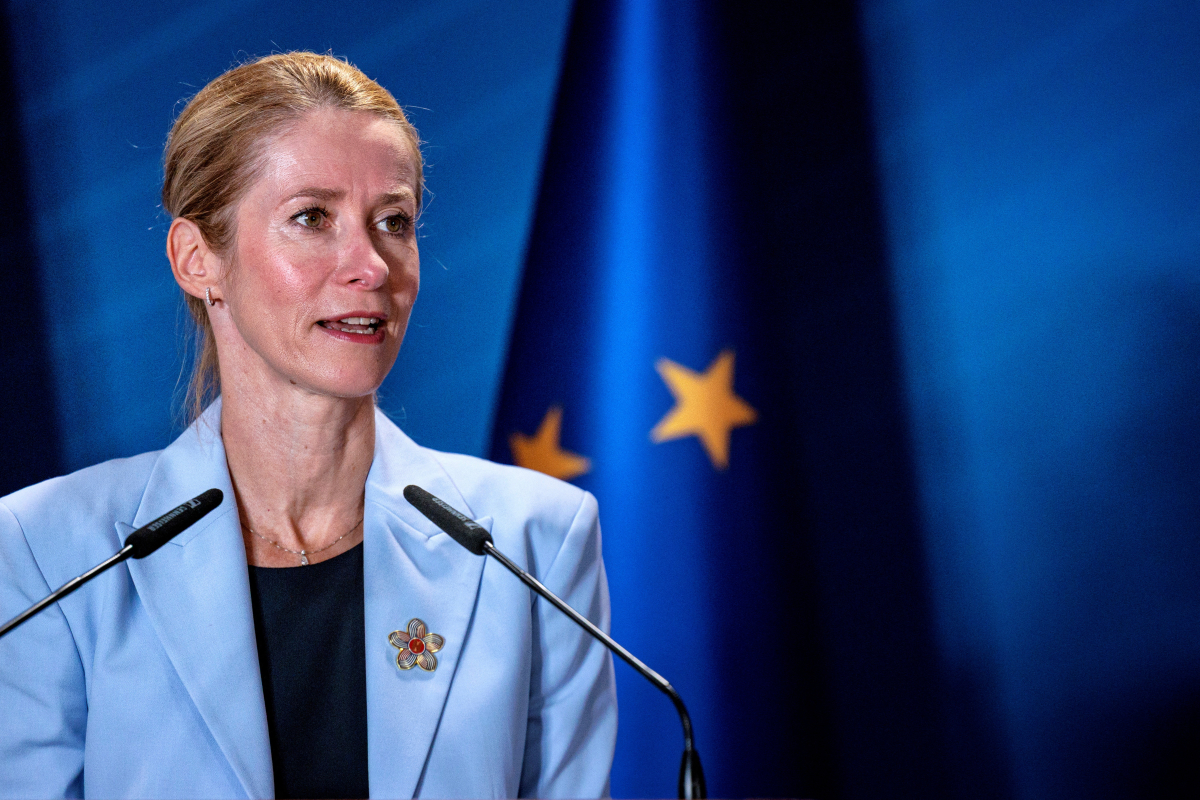
Austria, Belgium, Denmark, Finland, France, Germany, Luxembourg, the Netherlands, Romania, Spain and Sweden have submitted a non-paper to EU Foreign Policy Chief Kaja Kallas and other member states ahead of an informal meeting of EU foreign ministers in Ireland on Wednesday.
The document proposes a five-point framework aimed at preventing what the countries describe as “obstructionist behaviour” in EU foreign and security policy.
Push to reduce reliance on unanimity
Under the current system, major EU foreign and security policy decisions generally require the unanimous approval of all 27 member states. This allows a single country to block or delay measures supported by the rest of the bloc.
The 11 countries argue that the EU needs a more flexible decision-making process as it faces an increasingly unstable international environment.
One of the proposals calls for greater use of “constructive abstentions”, which would allow a member state to refrain from supporting a decision without preventing the rest of the bloc from moving forward.
The countries are also urging the EU to explore legal options for expanding the use of qualified majority voting in certain areas of foreign and security policy.
Countries urged not to link unrelated issues
The proposal also refers to the principle of sincere cooperation contained in EU treaties.
The 11 countries argue that member states should avoid blocking decisions by linking them to disputes that are largely unrelated to the issue being discussed.
They also called on governments to avoid opposing an entire proposal because of objections to individual elements if those concerns could be resolved through negotiations.
The document encourages Kallas to examine existing provisions in EU treaties that could make foreign policy decision-making more efficient.
Passerelle clause among possible options
One potential route is the so-called passerelle clause, which could allow the EU to move gradually from unanimity to qualified majority voting in specific policy areas without changing the entire foreign policy framework at once.
Where qualified majority voting already applies, member states can object on the basis of “vital and declared reasons of national policy”.
The 11 countries said such objections should be explained in detail to allow consultations and help find compromises acceptable to all sides.
Hungary veto disputes fuel reform debate
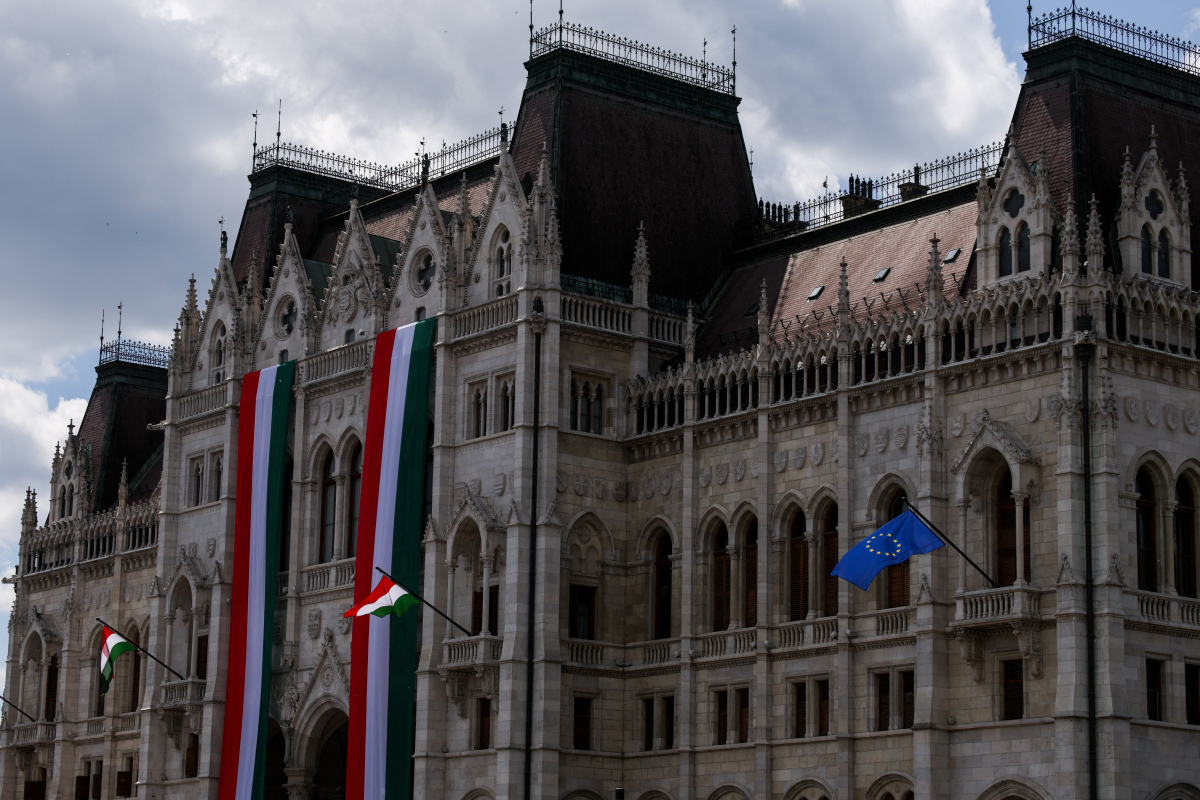
Calls for reform have gained momentum following repeated disputes over Hungary’s use of its veto in EU foreign policy discussions.
Budapest has previously blocked or delayed measures related to sanctions against Russia and financial and military support for Ukraine, arguing that its national interests needed to be protected.
Earlier this year, Hungary lifted its veto on Ukraine-related EU funds, with several member states indicating that the released money should be used to support Kyiv.
EU Foreign Policy Chief Kaja Kallas has also pushed for the European Peace Facility to be unblocked.
“We are really making a push in getting the European Peace Facility unblocked. So if that happens in coming days, then many member states have already said that all the funds they are getting back, they will give to Ukraine,” Kallas said.
Concerns over influence of smaller states
Critics of moving away from unanimity argue that removing or limiting national vetoes could reduce the influence of smaller EU member states in major foreign policy decisions.
None of the Baltic states, Estonia, Latvia and Lithuania, are among the 11 countries backing the initiative.
The proposal also comes as France and Germany seek broader reforms aimed at strengthening Kallas’ role in shaping EU foreign policy while maintaining greater involvement by national governments.
Any substantial change to the EU’s foreign policy decision-making system, however, could itself require unanimous support from all member states.
The non-paper has also been circulated to the foreign ministers of Bulgaria, Croatia, Cyprus, Czechia, Estonia, Greece, Hungary, Ireland, Italy, Latvia, Lithuania, Malta, Poland, Portugal, Slovakia and Slovenia.
Read more:

















What is your opinion on this topic?
Leave the first comment