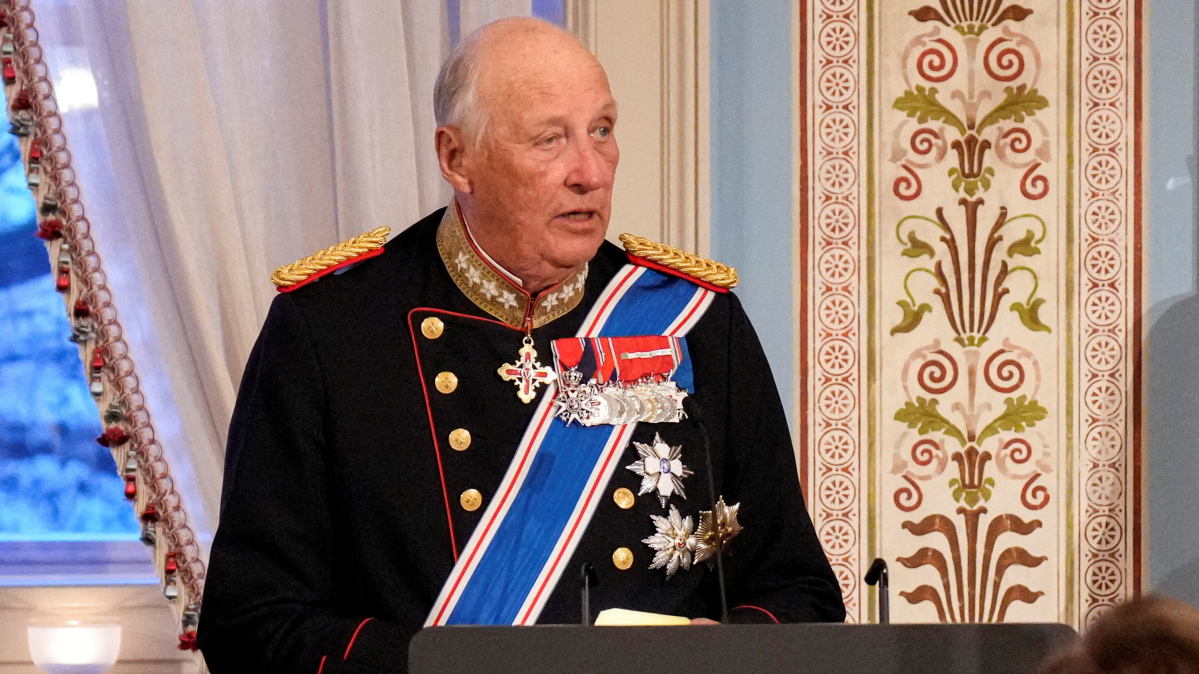
The death of King Harald V of Norway at the age of 89 on Friday has put the spotlight on one of Europe’s oldest royal dynasties: the House of Glücksburg.
As a minor branch of the House of Oldenberg, the throne passed to the House of Glücksburg and Christian of Glücksburg became King Christian IX of Denmark.
European takeover
It’s through Christian IX that the family established itself in royal families across the continent.
Christian IX fathered six children and four of his offspring sat on the throne, either as monarchs or consorts, due to marriages with other royal families.
However, the mastermind of the family’s dynastic success, is widely attributed not to Christian IX, but to his ambitious wife Louise of Hesse-Kassel.
Christian's grandsons included Nicholas II of Russia, Constantine I of Greece, George V of the United Kingdom, Christian X of Denmark, and Haakon VII of Norway.
The House of Glücksburg today
Today the House of Glücksburg still finds its lineage in two thrones: Norway and Denmark. King Haakon succeeded his father as King of Norway upon his death on Friday, while King Frederik X sits on the throne in Denmark.
The house’s ties to the Greek monarchy ended in the early 1970s when the country abolished the monarchy. Russia’s Glücksburg-descended branch finished earlier with the 1918 execution of Tsar Nicholas II and the fall of the Romanovs.
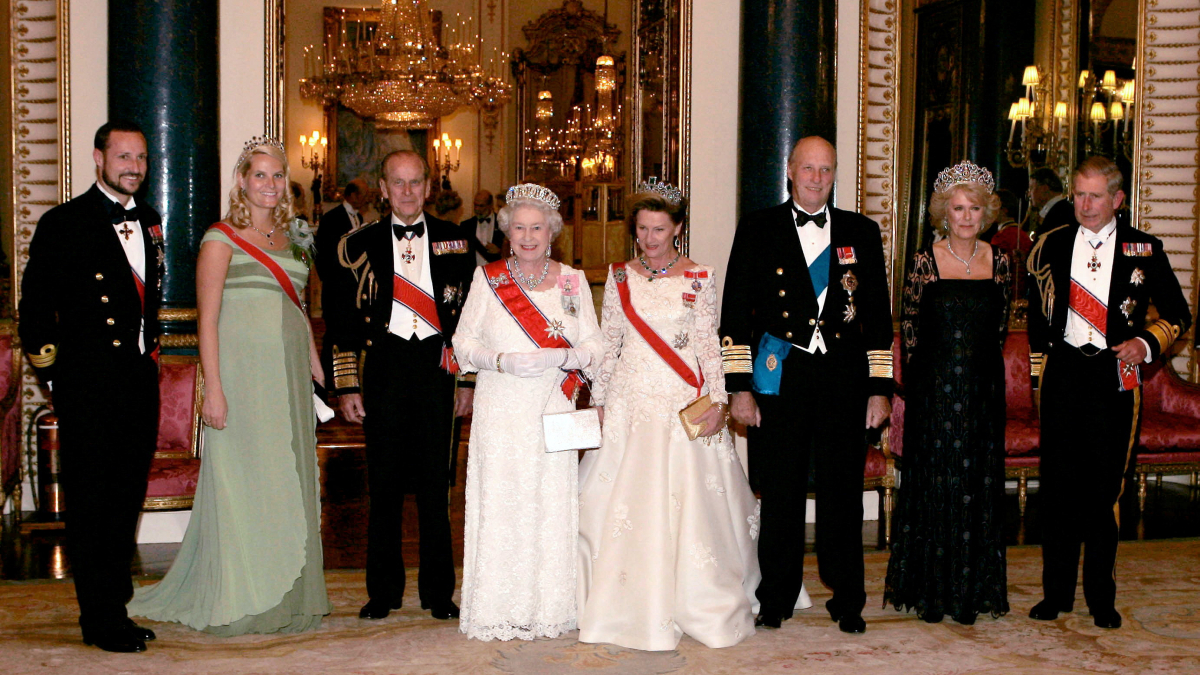
The United Kingdom’s King Charles III is linked genetically to the lineage through his father Prince Philip. However, his mother Queen Elizabeth II legally severed any dynastic link in the 1960s by declaring that her children would belong to the House of Windsor.
The current head of the House of Glücksburg is not a monarch at all. Ferdinand, Prince of Schleswig-Holstein, 41, is a successful businessman in Germany.
Read more from European royalty:




















What is your opinion on this topic?
Leave the first comment