More than 100,000 return to Afghanistan from Iran and Pakistan in two weeks
More than 100,000 people entered Afghanistan from Iran and Pakistan between 19 July and 1 August, increasing pressure on communities and humanitarian ...
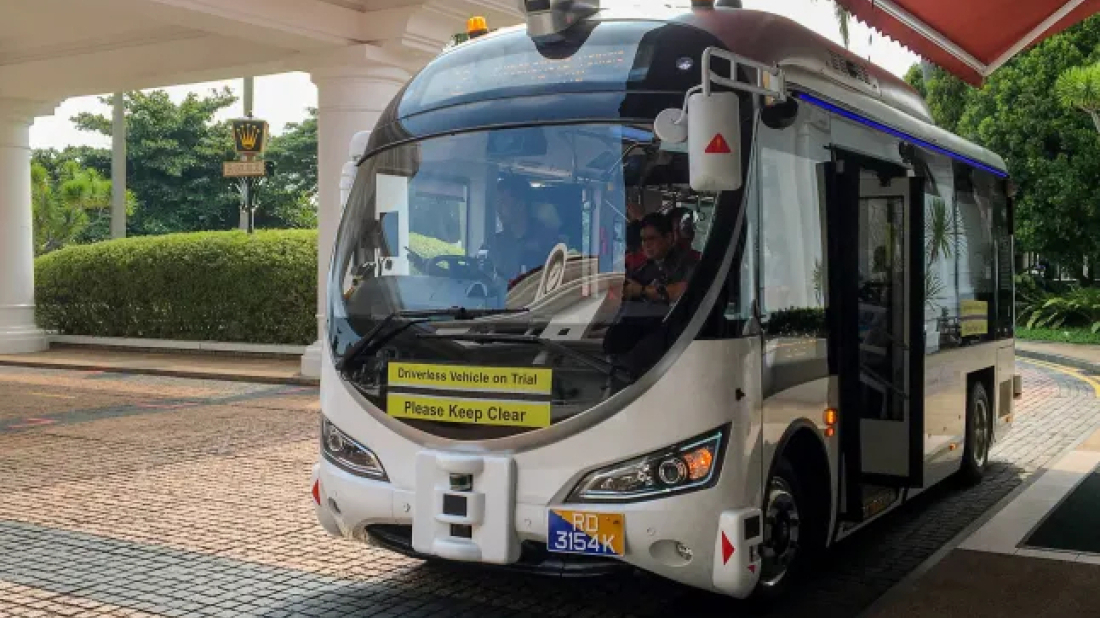
Singapore will begin testing self-driving public buses on select routes starting mid-2026, aiming to evaluate their potential for widespread deployment, the Land Transport Authority (LTA) announced on January 27.
In a Facebook post, LTA revealed that it has issued a Request for Proposal (RFP) inviting bids to pilot autonomous bus services in the city-state. The RFP will help assess the technical and operational viability of deploying driverless buses on both individual routes and as part of a fleet.
The pilot program will feature six self-driving buses, each with a minimum capacity of 16 seats, operating alongside manned buses for an initial three-year period. These buses will serve routes in Marina Bay, Shenton Way, a business park, and a research center on Singapore's outskirts. LTA explained that these shorter, simpler routes were selected for the initial phase.
For safety, drivers will be present on board as "safety operators" during the first stage of the trial. Once the system proves reliable, remote safety operators will take over supervisory roles.
To potentially expand the pilot, LTA may procure up to 14 additional autonomous buses. The RFP process will close in the second quarter of 2025, with the project expected to be awarded by the end of the year.

Start your day informed with AnewZ Morning Brief. Here are the top news stories for the 5th of August, covering the latest developments.
U.S. President Donald Trump said there was an "all-day negotiation" on Tuesday with Iran, characterising the talks positively while also threatening to hit Iran "really hard" if a deal was not reached.
Shipping traffic through the Strait of Hormuz and the Bab el-Mandeb Strait, two key maritime chokepoints in the region, decreased significantly from the previous day, according to shipping data.
Start your day informed with AnewZ Morning Brief. Here are the top news stories for the 6th of August, covering the latest developments.
Kazakhstan’s main oil export corridor was disrupted by drone strikes near Russia’s Black Sea coast in July, forcing a temporary suspension of crude loadings and raising fresh concerns over the vulnerability of regional energy infrastructure to the war in Ukraine.
Türkiye's ruling alliance on Wednesday (5 August) submitted a bill to parliament aimed at advancing peace with the outlawed PKK by offering legal protections to former militants who disarm.
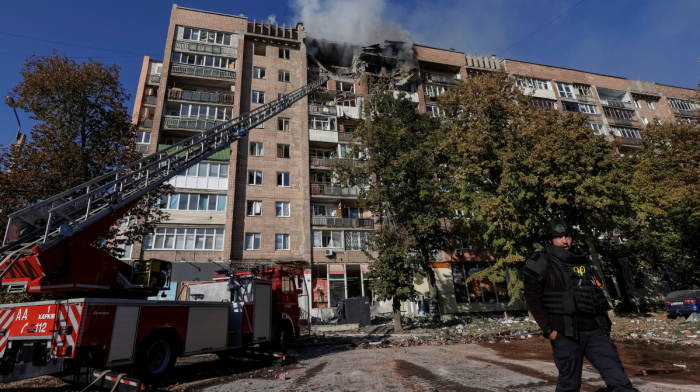
Ukraine has warned that its ability to defend against Russian missile attacks is weakening as Moscow appears to be expanding its missile arsenal ahead of a possible winter campaign targeting critical infrastructure.
Azerbaijan and Ukraine are seeking to deepen cooperation in energy, reconstruction and trade, with Baku signalling its readiness to supply natural gas to Ukraine and expand its role in rebuilding projects following high-level talks in Kyiv.
Ukraine’s National Security and Defense Council (NSDC) has approved Kyiv’s Resilience Plan for the autumn-winter season, aimed at strengthening the capital’s ability to withstand continued Russian attacks and ensuring the uninterrupted operation of critical services.
The UK government announced a new package of sanctions on Thursday (6 August) aimed at disrupting Russia's financial sector and oil exports, expanding pressure on Moscow more than four years after its full-scale invasion of Ukraine.
You can download the AnewZ application from Play Store and the App Store.
What is your opinion on this topic?
Leave the first comment