Italian Prime Minister Giorgia Meloni's right-wing coalition has pledged to continue pursuing its proposed electoral reform despite suffering a narrow parliamentary defeat on a key element of the legislation.
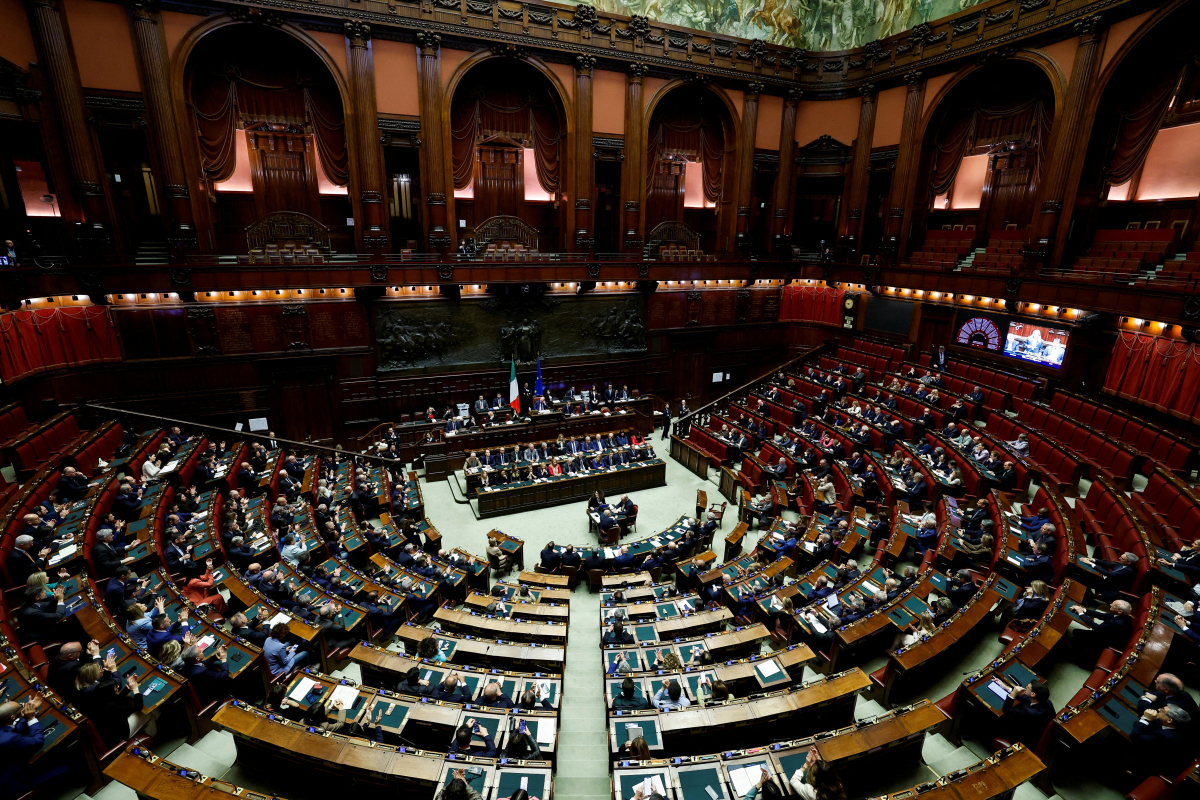
In a secret ballot on Tuesday, lawmakers rejected by a single vote a proposal backed by Meloni's Brothers of Italy party that would have allowed voters to express preference votes for candidates on party lists. The defeat was partly attributed to defections from within the governing coalition.
The setback prompted opposition parties to call for Meloni's resignation, while exposing divisions within the ruling alliance ahead of the next general election.
Coalition determined to continue reform
Despite the defeat, coalition leaders insisted the broader electoral reform would remain a priority.
"It is crucial to go ahead with this law that guarantees stability," Enrico Costa, parliamentary leader of Forza Italia in the lower house, told Corriere della Sera, dismissing suggestions that the vote could trigger a wider political crisis.
Parliamentary Relations Minister Luca Ciriani said the government's immediate objective was to secure approval of the legislation in the lower house before sending it to the Senate, where he said it could be passed as early as September.
Internal divisions emerge
The ruling coalition, made up of Brothers of Italy, the League and Forza Italia, has proposed replacing the current electoral system with a fully proportional model that would award a parliamentary majority bonus to any coalition receiving more than 42 per cent of the national vote.
Tuesday's vote exposed growing tensions within the governing alliance, with political sources estimating that around 30 coalition lawmakers broke ranks and voted against the government's position.
Responding to the defeat, Meloni acknowledged that the missing votes from coalition partners required "reflection". She later wrote on Facebook, "We gave it a try. The swamp won again."
Political analyst Lorenzo Pregliasco said the narrow margin suggested the result reflected "multiple pockets of discontent within the coalition" rather than an organised rebellion.
Political pressure mounts
The parliamentary defeat adds to the political challenges facing Meloni, whose government also suffered a significant setback after voters rejected a justice reform referendum in March.
Nevertheless, barring an unexpected political crisis, Meloni is expected to become post-war Italy's longest-serving prime minister in September, having been in office since 2022.
While Brothers of Italy remains the country's largest single party, recent opinion polls indicate that the governing coalition is now trailing the centre-left alliance led by the Democratic Party and the Five Star Movement. Surveys suggest the next general election, expected in 2027, could result in a hung parliament with no clear governing majority.
Debate over electoral changes
Italy's current electoral system combines first-past-the-post constituencies with proportional representation, with roughly one-third of parliamentary seats decided through constituency contests and the remainder allocated via party lists.
The proposed reform would introduce a fully proportional voting system while retaining a majority bonus for successful coalitions. It would also continue to encourage parties to form pre-election alliances, a strategy that helped Meloni's coalition secure victory in the 2022 general election.
The proposal to introduce preference voting would have allowed voters greater influence over the selection of candidates, although critics argued party leaderships would still retain significant control over the electoral process.
According to a simulation by polling firm YouTrend, candidates from smaller coalition partners, including Forza Italia and the League, would have been less likely to win seats under the proposed preference voting system.
Opposition criticism
Opposition parties have strongly criticised the electoral reform, accusing Meloni's government of attempting to reshape the voting system to improve its chances of securing a second term in office.
Critics argue that abolishing the current first-past-the-post element would weaken the electoral advantages currently enjoyed by the centre-left alliance, making the proposed reforms politically contentious as Italy moves closer to its next general election.






















What is your opinion on this topic?
Leave the first comment