Disease outbreaks, poor sanitation and limited access to clean water could pose major health risks to tens of thousands of survivors of Venezuela’s deadly earthquakes, the Americas branch of the World Health Organization said on Thursday.
Venezuela has opened more than 80 shelters for those whose homes were destroyed in twin quakes on 24 June, with the number of displaced reaching 17,907 by Thursday.
Poor shelter conditions could leave many survivors especially vulnerable, the Pan American Health Organization (PAHO) Director Jarbas Barbosa said.
"In the coming weeks, the greatest health risks may stem not only from injuries caused by the earthquakes, but also from disruptions to health services, overcrowded conditions, deficiencies in water and sanitation and reduced access to vaccination and routine healthcare," Barbosa said.
PAHO will work with Venezuela's health ministry to monitor for potential outbreaks of respiratory or digestive illnesses and is urging access to vaccines, said Barbosa, who is also WHO Regional Director for the Americas.
It will also work with the government to incorporate field hospitals and shelters into an early warning system tracking diarrheal diseases, respiratory infections, febrile syndromes and vaccine-preventable illnesses.
Scale of the disaster
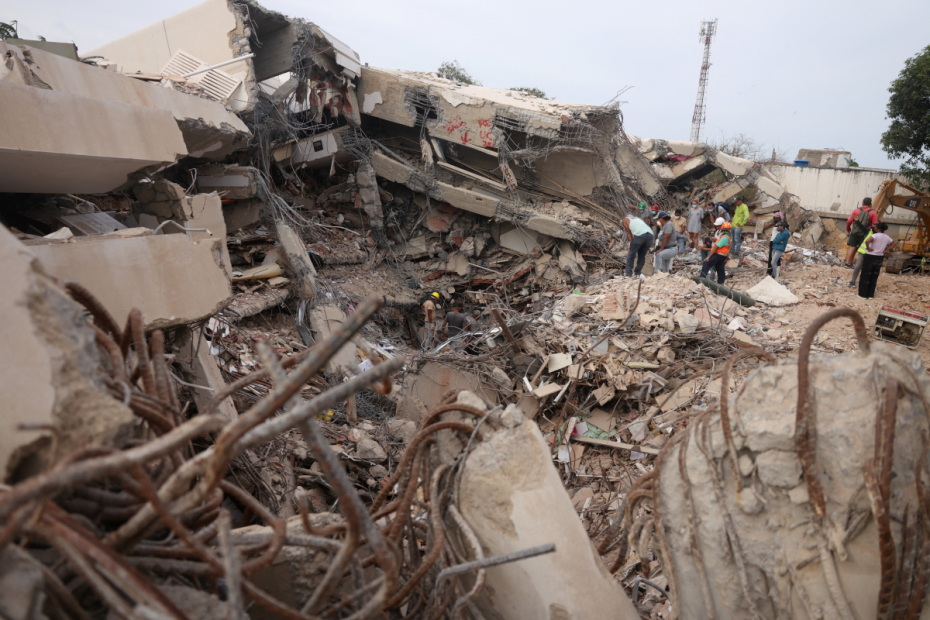
Tom Fletcher, the United Nations' top humanitarian official said the twin earthquakes, measuring 7.2 and 7.5, would be “incredibly difficult” for any government to manage.
The United Nations is aiming to reach 1.3 million people in the next six months who are most critically in need of humanitarian support.
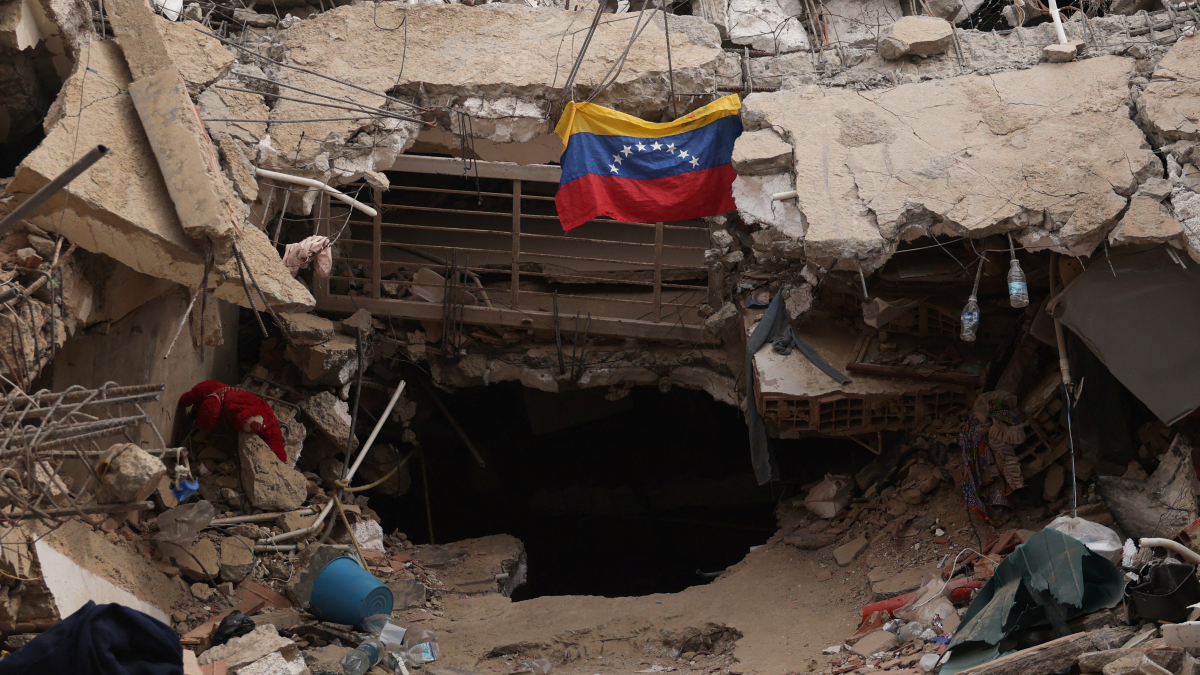
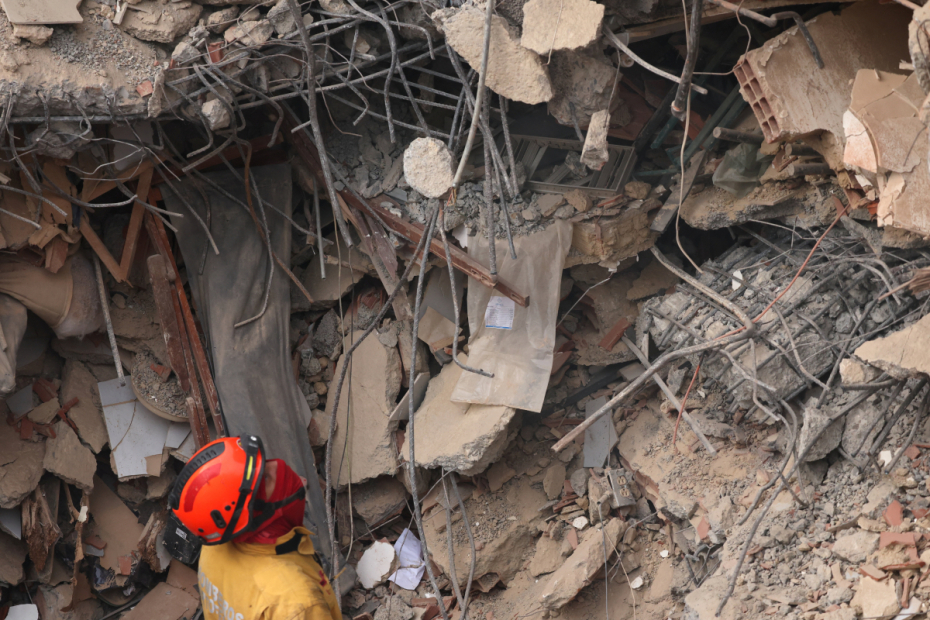
Authorities raised the death toll on Thursday to 3,889, while the number of injured remained at 16,740.
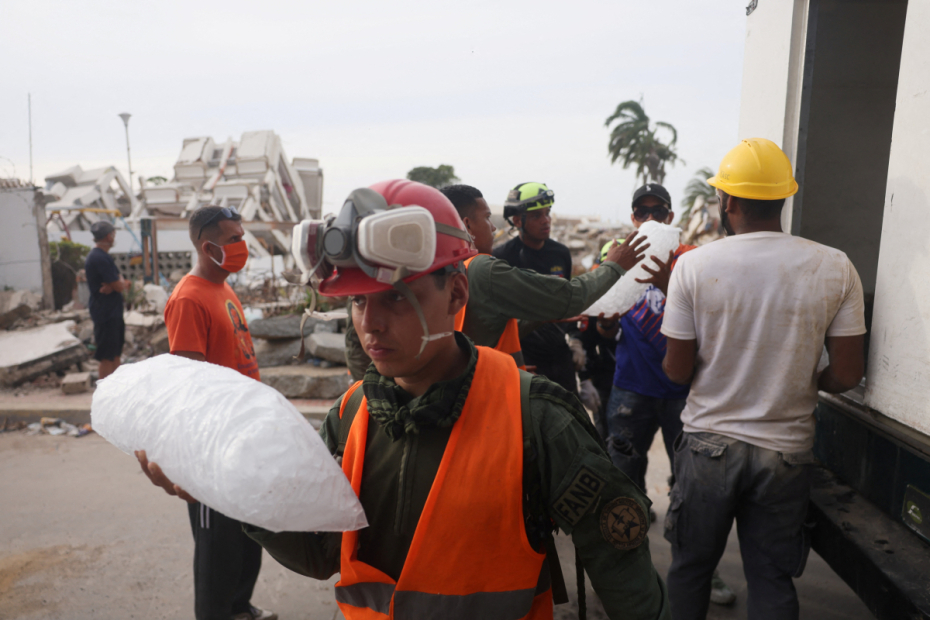
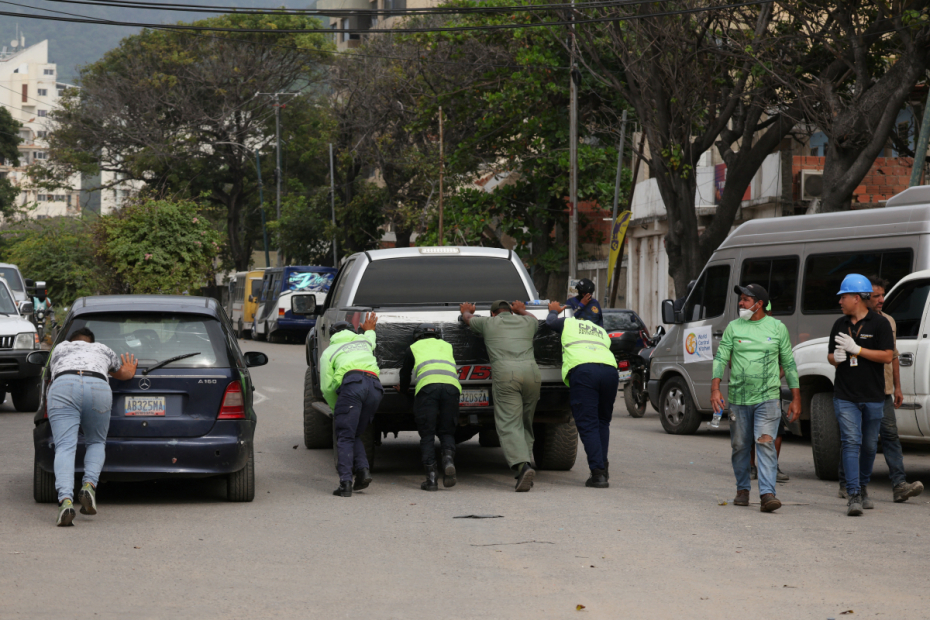
While residents have criticised a slow state response, Fletcher said a UN coordination cell established with the government has been working well to facilitate international aid.
The UN has already mobilised more than $300 million in coordinated support, said Fletcher, adding that nearly 40,000 people have already received food aid in the two weeks since the response began.
Deteriorated system
Venezuela's health system has deteriorated significantly after years of economic crisis, contributing to a lack of immediate care after the quakes, said Ciro Ugarte, PAHO's director for health emergencies.
"The shortage of essential services in the immediate aftermath was critical, and facilities that had not been intended for trauma care or emergency patient treatment had to be adapted for that purpose throughout Venezuela," Ugarte said.
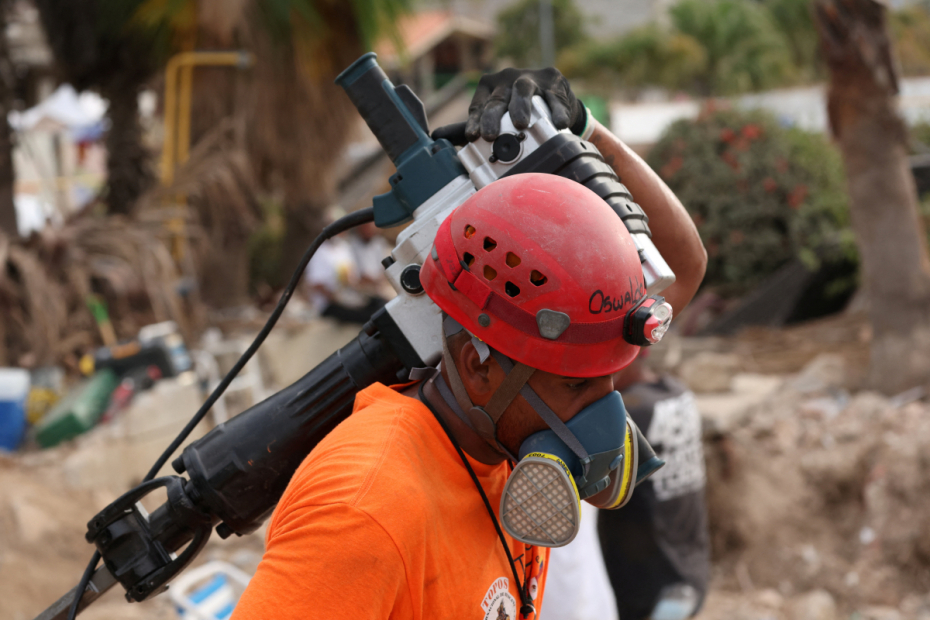
Acting Venezuelan President Delcy Rodriguez has defended the government's handling of the quakes amid criticism that civilians have led many of the rescue and recovery operations.
Three hundred victims in La Guaira, the hardest-hit state, were buried without being identified, but Venezuela's forensic service is keeping records to allow for matches at a later time, said Armando De Negri, PAHO's acting director in Venezuela.











What is your opinion on this topic?
Leave the first comment