Start your day informed with the AnewZ Morning Brief. Here are the top stories for the 9th of July, covering the latest developments you need to know.
U.S. launches new strikes on Iran as tensions rise over Hormuz
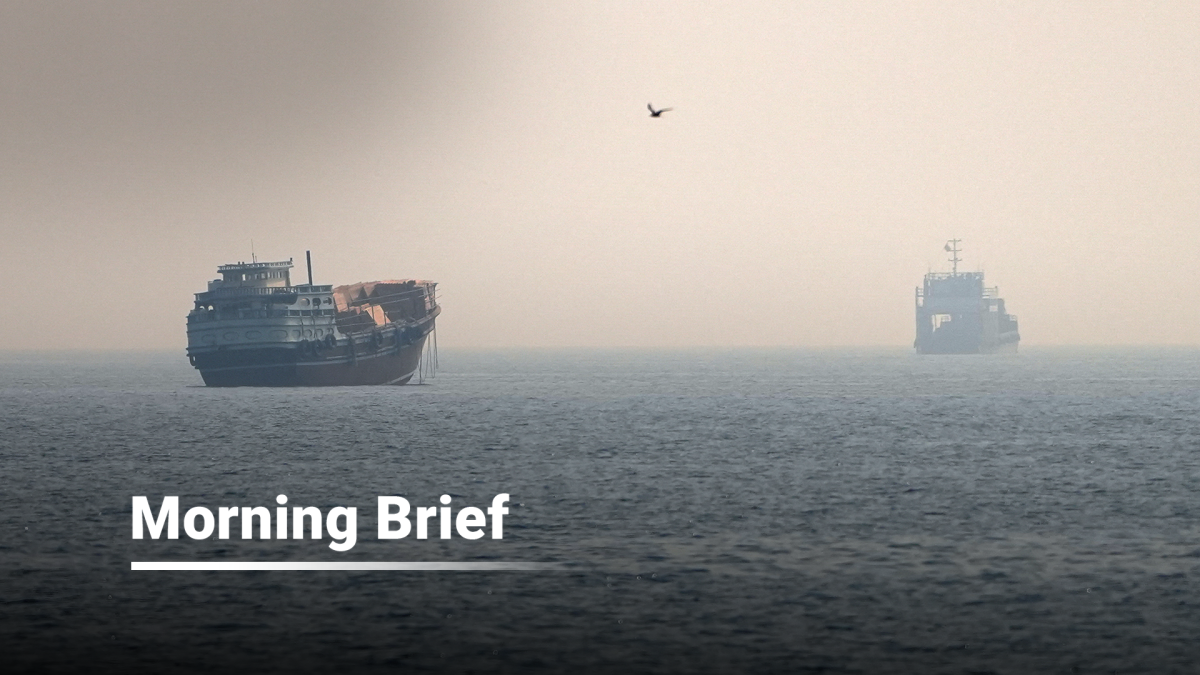
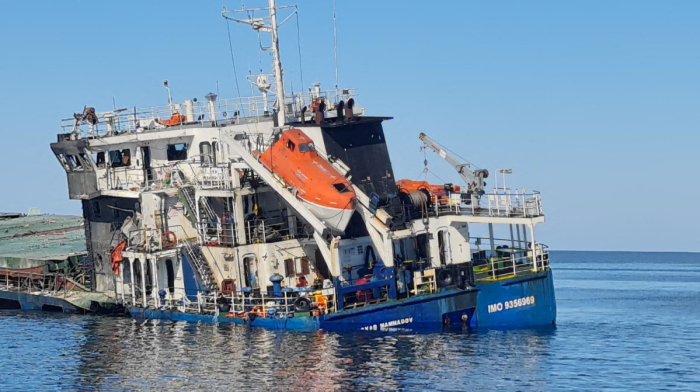
The U.S. military has carried out additional strikes on Iran, saying the operation aims to protect shipping in the Strait of Hormuz after attacks on cargo vessels. Iran responded with missile and drone attacks targeting Kuwait and Bahrain, where U.S. military bases are located. The exchange of strikes has cast doubt on efforts to turn a recent memorandum of understanding into a lasting deal to end the war. Oil prices rose following the escalation, while both Washington and Tehran continued trading threats over control of the vital waterway.
Trump moves to remove Syria from U.S. terrorism list
U.S. President Donald Trump has told Syrian President Ahmed al-Sharaa that Washington plans to remove Syria from its list of state sponsors of terrorism. The decision, which requires a 45-day congressional review, would ease restrictions that have limited Syria’s access to international finance and assistance. Syrian officials welcomed the move, saying it could support economic recovery and reintegration into the global economy. The announcement comes as the Trump administration and Gulf countries take steps to reduce Syria’s international isolation after years of conflict.
NATO leaders shift focus from pledges to action
NATO Secretary General Mark Rutte said the alliance’s Ankara summit marked a turning point, with members moving from commitments to concrete actions to strengthen collective defence. Leaders agreed on plans to boost military capabilities, expand defence production and work toward the target of spending 5% of GDP on defence and security by 2035. The war in Ukraine remained a key issue, with NATO reaffirming continued support for Kyiv and discussions on further military assistance. The summit also focused on strengthening the alliance’s defence industry and preparing for future security challenges.
Venezuela earthquake death toll rises to 3,811 as recovery efforts continue
The death toll from two earthquakes that struck Venezuela on 24 June has risen to 3,811, with more than 16,700 people injured and nearly 18,000 left homeless, according to officials. Interim President Delcy Rodriguez has called for sanctions relief, saying blocked overseas assets could help fund reconstruction efforts. The U.S., European Union and other countries have imposed sanctions on Venezuela for years over political and security concerns. Rodriguez has also urged the release of Venezuelan gold held by the Bank of England to support recovery efforts.
Ebola outbreak in DR Congo surpasses 1,700 cases
The number of confirmed Ebola cases in the Democratic Republic of Congo has risen to 1,759, with 600 deaths recorded, according to government data. The outbreak, driven by the Bundibugyo strain of the virus, continues to spread as health authorities warn of pressure on treatment centres and limited healthcare resources. The WHO and international partners are supporting efforts including surveillance, contact tracing and community awareness campaigns. Clinical trials for potential treatments are underway, as there is currently no approved vaccine or specific therapy for the strain.












What is your opinion on this topic?
Leave the first comment