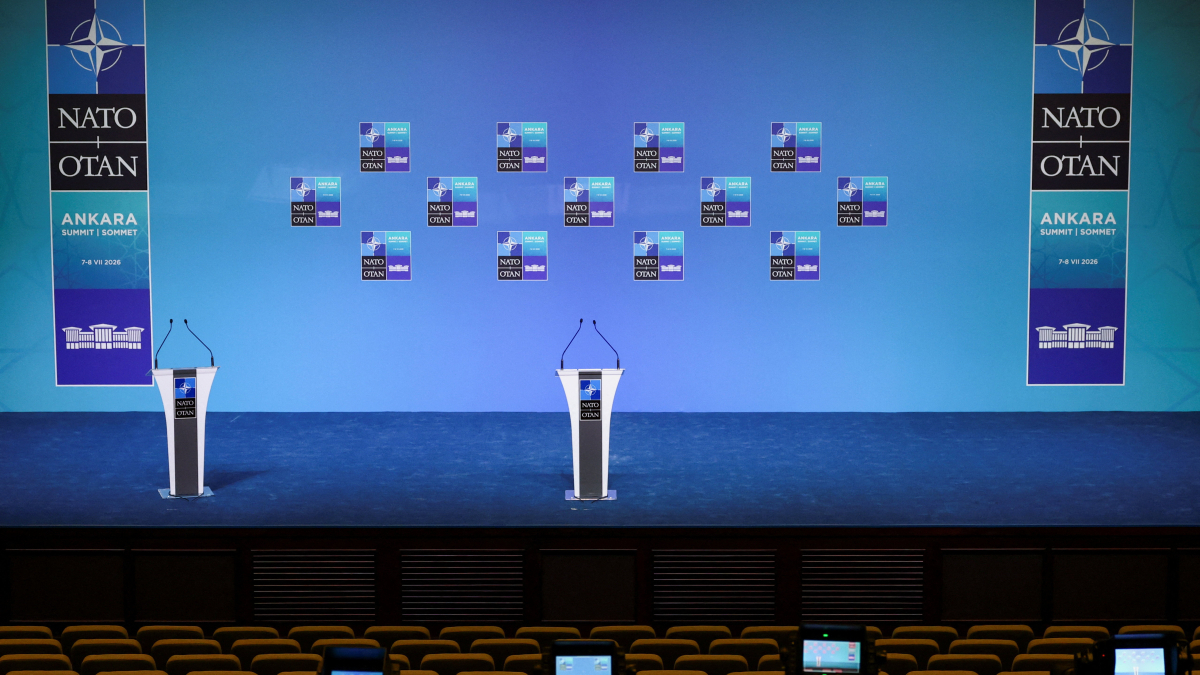
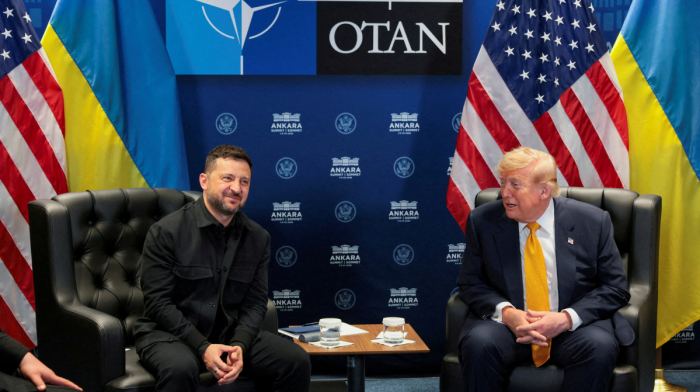
NATO leaders meet in Ankara this week at a pivotal moment for the Alliance. While Ukraine remains its foremost military challenge, Europe's rearmament, Middle East instability and pressure from U.S. President Donald Trump are reshaping NATO's priorities.
NATO 3.0: a new phase for the Alliance
The summit is expected to highlight the Alliance's shift towards an emerging "NATO 3.0" vision as it adapts to a more complex and interconnected security environment.
Although "NATO 3.0" is not an official NATO doctrine, the term has come to describe the Alliance's evolving priorities. At its core is a stronger European role, supported by increased defence spending, greater weapons production and enhanced military capabilities.
The concept also reflects a broader shift towards long-term deterrence, industrial resilience and a more balanced sharing of defence responsibilities across the Alliance.
Europe takes on a larger defence role
The summit also reflects a changing balance within the transatlantic alliance.
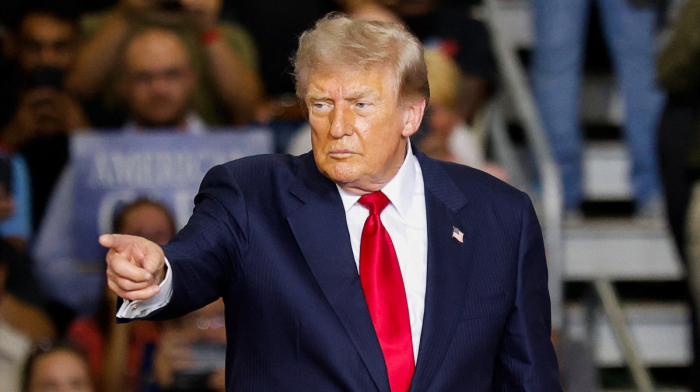
President Donald Trump has repeatedly urged European allies to take greater responsibility for the continent's defence while questioning the scale of America's long-term military commitment to Europe.
From defence spending to defence production
For years, NATO summits focused on encouraging allies to spend more on defence. The emphasis is now shifting from how much countries invest to how quickly those investments can be translated into military capability.
Following last year's pledge to spend 5% of GDP on defence and defence-related measures by 2035, leaders are expected to prioritise expanding weapons production, accelerating procurement and strengthening Europe's defence industrial base.
A defence industry forum in Ankara is also expected to announce agreements worth tens of billions of dollars, underscoring NATO's growing emphasis on industrial capacity alongside defence spending.
Ukraine remains NATO's core military priority
Despite the Alliance's broadening agenda, Ukraine remains at the centre of NATO's military planning.
Leaders are expected to pledge €70 billion in military assistance for 2026 while maintaining comparable levels of support in 2027. Yet, unlike recent summits, where Ukraine dominated discussions, the meeting in Ankara reflects an Alliance increasingly preparing to respond to multiple security challenges simultaneously.
Why Iran matters
The recent conflict involving the U.S., Israel and Iran highlighted how instability in the Middle East can directly affect Allied security.
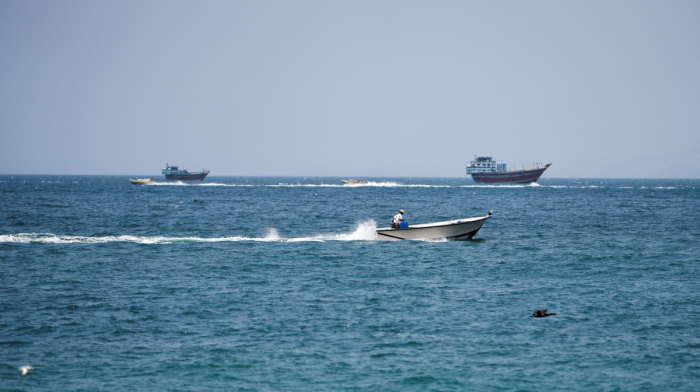
European governments are increasingly concerned about the risks posed by regional escalation, including threats to maritime trade through the Strait of Hormuz, energy security and broader missile threats. Although NATO is not directly involved in the conflict, leaders are expected to reaffirm that Iran must never acquire a nuclear weapon while calling on Tehran to respect freedom of navigation through the Strait of Hormuz.
Iran's prominence on the summit agenda reflects a broader shift in NATO's outlook, with developments in the Middle East increasingly viewed as having direct consequences for European security.
Why Ankara?
Holding the summit in Türkiye reflects the Alliance's evolving strategic geography.
Positioned between Europe, the Black Sea and the Middle East, Türkiye has become increasingly important to NATO as the Alliance broadens its focus beyond the war in Ukraine. Alongside NATO's second-largest military, Türkiye has developed one of Europe's fastest-growing defence industries.
Ankara is expected to use the summit to showcase its defence manufacturing capabilities, strengthen its role in Europe's defence architecture and pursue closer defence cooperation with allies, including renewed access to the U.S.-led F-35 fighter jet programme.
A different NATO
The Ankara summit illustrates how the Alliance is evolving.
Ukraine remains NATO's foremost military priority, but NATO's agenda now extends to Europe's rearmament, defence industrial capacity, transatlantic burden-sharing and the growing impact of instability in the Middle East.
Rather than responding to a single crisis, NATO is adapting to a security environment in which the war in Ukraine, tensions across the Middle East and intensifying global strategic competition are becoming increasingly interconnected.
Read more:














What is your opinion on this topic?
Leave the first comment