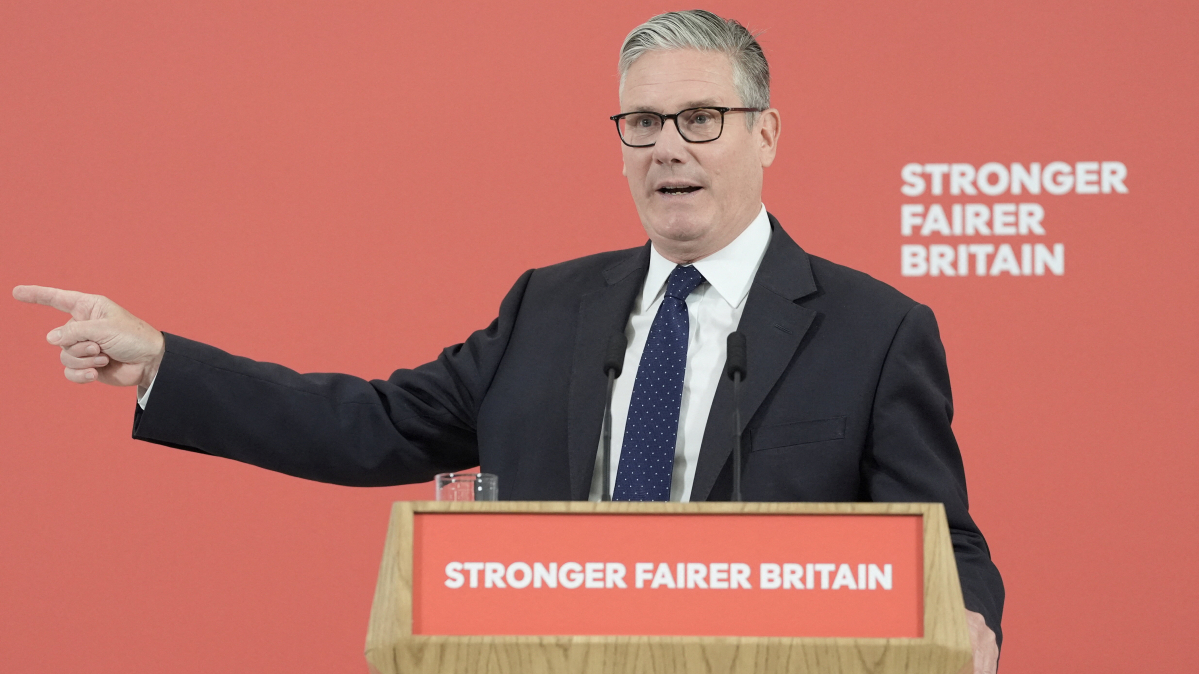
UK Prime Minister Keir Starmer has unveiled a £15 billion (U.S.$20 billion) defence investment plan to modernise Britain's armed forces and prepare for future security threats. The announcement comes ahead of next month's NATO summit in Ankara.
Modernisation of the armed forces
The plan, unveiled on Tuesday, is intended to demonstrate Britain's commitment to meeting NATO's long-term defence spending targets.
Starmer said the additional funding over the next four years would help transform the military, although critics argue it falls short of what defence planners say is needed.
The Defence Investment Plan includes £5 billion for drones and autonomous weapons, alongside upgrades to the Royal Navy and efforts to develop a next-generation stealth fighter for the Royal Air Force.
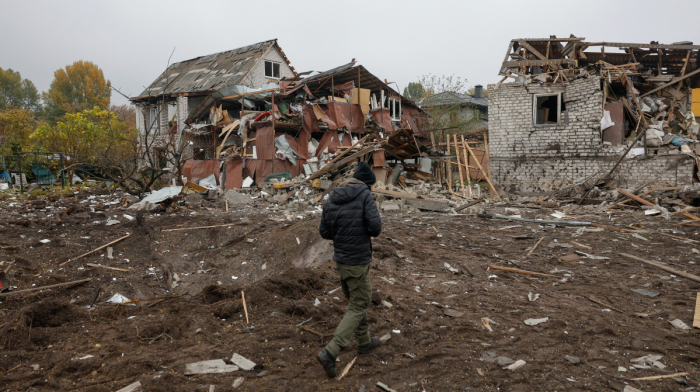
Starmer said the programme would make the armed forces more "lethal" and better prepared for modern warfare, particularly in light of warnings from military officials that Russia could pose a direct threat to NATO members within the next decade.
He also pledged support for strengthening the UK's nuclear deterrent and expanding defence-related industrial capacity.
Funding gap and political pressure
Defence chiefs had reportedly called for an additional £28 billion over the same period, leaving a significant shortfall compared with the government's £15 billion commitment.
The plan has already faced criticism, with some defence figures describing it as insufficient to address long-term capability gaps.
Retired Royal Navy commander Tom Sharpe said the strategy amounted to "cost-cutting by another name", arguing that key programmes risk delays or a reduced scope because of funding constraints.
NATO spending targets
Starmer said the plan would help put the UK on track to meet NATO's long-term defence spending commitments, including a target of spending 3.5% of GDP on core defence by 2035.
NATO members have also agreed to aim for overall defence and security-related spending of up to 5% of GDP.
The UK expects defence spending to reach £79 billion a year by 2029, representing a 5% increase in annual expenditure.
NATO Secretary General Mark Rutte welcomed the announcement, calling it a "good step" towards meeting the alliance's goals.
Industry and strategic implications
The announcement was also welcomed by major defence contractors, including BAE Systems, which said the plan provided greater certainty for long-term industrial planning and workforce stability.
Starmer said part of the funding would be redirected from other capital projects, including some infrastructure and energy schemes.
"Some capital projects, for example, on roads and energy, which are important but not immediately vital, will no longer go ahead as planned," he said.
He described the strategy as a "historic shift" in Britain's defence posture, adding that it would provide a foundation for future governments to build upon.















What is your opinion on this topic?
Leave the first comment