An international conference held in Baku shed light on the ongoing impact of French colonialism in La Réunion. Participants discussed the economic, political, and social challenges facing the island, emphasizing the need for independence and systemic change.
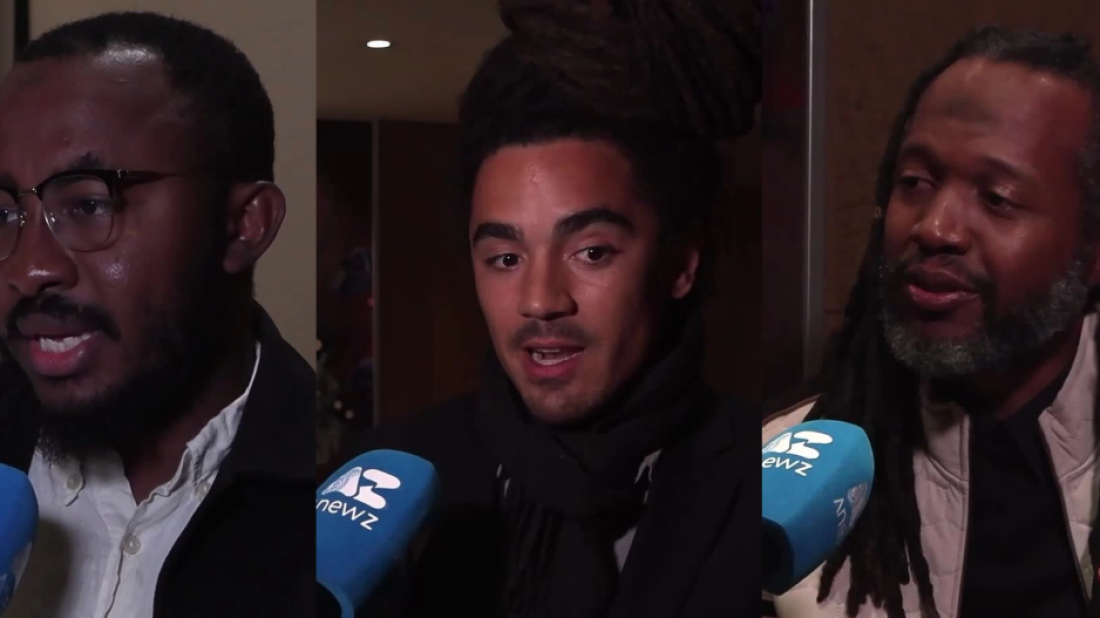
Haudjatı Houssalam: "Development is Unequal and Slow"
Haudjatı Houssalam highlighted the indirect pressures created by French influence, which she argued hinder the island’s progress.
“For France, there are many issues related to economic and social development, but it is insufficient. The population faces slow development and inequality, leading to personal and familial difficulties. While the pressure is not direct, it manifests in systemic policies and laws,” she said.
Clement Benjamin: "Colonial Ideology Still Dominates"
Clement Benjamin pointed to the deep historical scars left by slavery and genocide under French colonial rule. He argued that power remains concentrated in the hands of the descendants of former slave owners.
“After the abolition of slavery, France compensated slave owners with billions, allowing them to retain control over land and resources. Today, this power structure continues, leaving the Réunionese people struggling under a colonial ideology. However, we are determined to activate the political and historical consciousness of our people. Independence is just a step toward overthrowing this system,” he stated.
He also criticized French President Emmanuel Macron, calling his policies in Mayotte and other overseas territories "inhumane" and disconnected from reality.
Sania Assoumanı: "We Are Tired of French Interference"
Sania Assoumanı, president of the Mabedja Pan-Africanist movement, underscored France’s control over Réunion’s agriculture and fishing industries as a key factor in its colonial strategy.
“France keeps Réunion for economic reasons, but we want the freedom to define our own goals. Wherever France has settled, whether in Réunion, Mayotte, or Martinique, it imposes the same oppressive policies. We say: stop. We are tired,” she declared.
Cedric Famibelle Pronzola: "Education is the Root of Inequality"
Cedric Famibelle Pronzola attributed the structural issues in Réunion to a French-imposed education system that alienates young people from their identity.
“From a young age, we are taught the history and geography of a country 10,000 kilometers away, not our own. This prevents us from understanding our culture or connecting with our neighbors, like Madagascar or Mauritius. This denial of identity makes it difficult for Réunionese to thrive,” he explained.
He added that unemployment is a direct result of France’s colonial policies, which prioritize enriching the mainland while neglecting the island’s youth.
“France does not invest in training young people for jobs that could benefit Réunion. Instead, they ensure the island remains a colony that generates wealth for the metropolis without competing with it. Independence would allow us to establish an education system tailored to our realities and create jobs that align with our needs,” he said.













What is your opinion on this topic?
Leave the first comment