live U.S. to impose measures "never seen before" on Iran, Treasury secretary says
The U.S. will impose unprecedented measures on Iran in order to economically isolate the country, U.S. Treasury Secretary Scott Bessent has said...
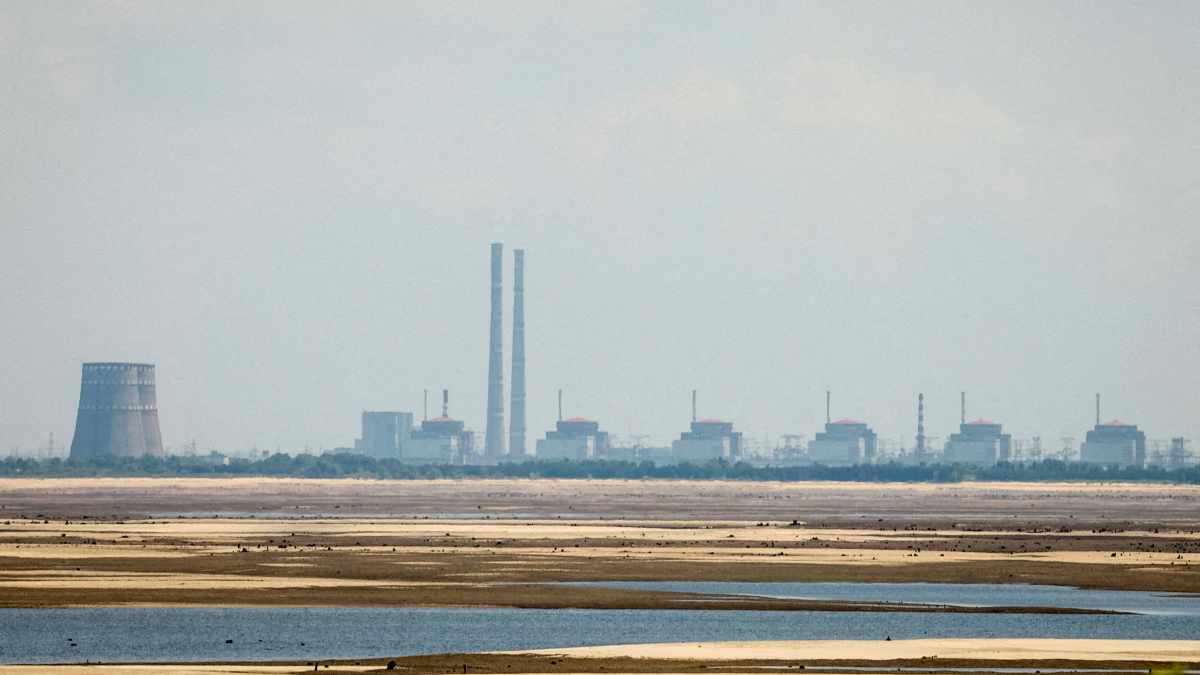
Ukraine's Zaporizhzhia Nuclear Power Plant has been reconnected to the electricity grid after repairs were carried out under a localised ceasefire brokered by the International Atomic Energy Agency (IAEA).
The UN nuclear watchdog said the facility regained access to off-site power on Saturday, following nearly three days without an external electricity supply, one of the longest such outages since Russia's full-scale invasion of Ukraine began.
The plant, Europe's largest nuclear facility, lost its final remaining back-up power connection late on Wednesday after an attack on an electrical substation across the Dnipro River severed the Ferosplavna power line.
According to the IAEA, the outage marked the 19th time the site has lost access to off-site power during the war.
During the blackout, the plant was forced to rely on emergency diesel generators to provide the electricity needed to cool its six reactors, all of which are currently shut down. Although the reactors are no longer producing power, they still require continuous cooling to prevent overheating and ensure safe operation.
IAEA Director General Rafael Grossi has repeatedly warned that attacks affecting the plant's power infrastructure pose a significant risk.
The agency said repair teams were able to restore the damaged connection after a temporary ceasefire was agreed in the immediate area, allowing engineers safe access to the site.
The Zaporizhzhia plant has remained at the centre of international concern since it was seized by Russian forces in the early months of the war. Both Ukraine and Russia have repeatedly accused one another of endangering the facility through military activity near the site.

Disruption in the Strait of Hormuz has increased the strategic importance of Bab al-Mandab, raising fears that instability in both waterways could trigger a wider global energy and trade crisis.
Flights at Catania airport in Sicily will remain suspended until early Friday as ash from Mount Etna continues to disrupt air travel, following hundreds of cancellations and diversions over the past week.
Iran says the Strait of Hormuz remains under its control, rejecting U.S. President Donald Trump’s claim of “total control” over the strategic waterway and insisting it will not reopen until Washington fulfils its commitments under an interim deal.
Iran and the United States remain at loggerheads over efforts to agree a permanent end to the war in the Gulf, according to a senior Iranian source who said there had been no progress in talks to revive the interim deal agreed in June and define a timeframe to implement it.
Russia has accused Ukraine of threatening global grain supplies after recent strikes on Black Sea agricultural infrastructure, while Moscow carried out a new overnight attack on Ukraine’s major Danube port of Izmail.
Record rainfall in Japan killed eight people and stranded thousands of travellers at Tokyo's Narita Airport on Friday, as flooding disrupted transport and cut power to 20,000 homes.
Start your day informed with AnewZ Morning Brief. Here are the top news stories for the 14th of August, covering the latest developments.
Hundreds of flights have been cancelled or rerouted at Catania Airport over the past week as ash from Mount Etna’s ongoing eruption continues to disrupt air travel in Sicily.
The Democratic Republic of the Congo’s (DRC) Ebola outbreak has spread to a sixth province. A man died of the virus in Bas-Uélé in the north, the African Union’s health agency said.
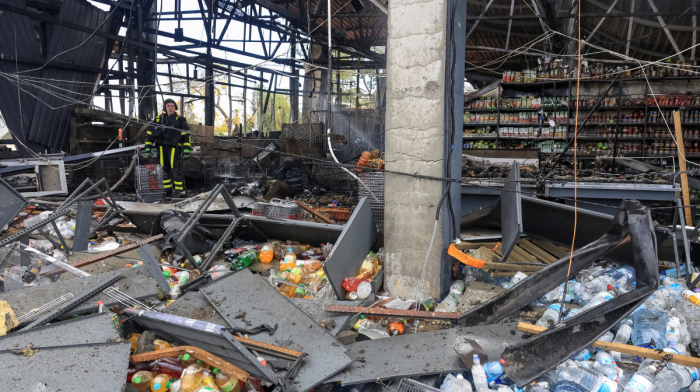
At least 437 civilians were killed and 2,610 injured in Ukraine last month, according to UN investigators, marking the highest monthly civilian casualty toll since March 2022.
You can download the AnewZ application from Play Store and the App Store.
What is your opinion on this topic?
Leave the first comment