live U.S. says it struck dozens of Iran’s Revolutionary Guard targets
The U.S. military said it completed its latest wave of strikes on Iran, a two-hour operation that hit dozens of targets. Washington described the stri...
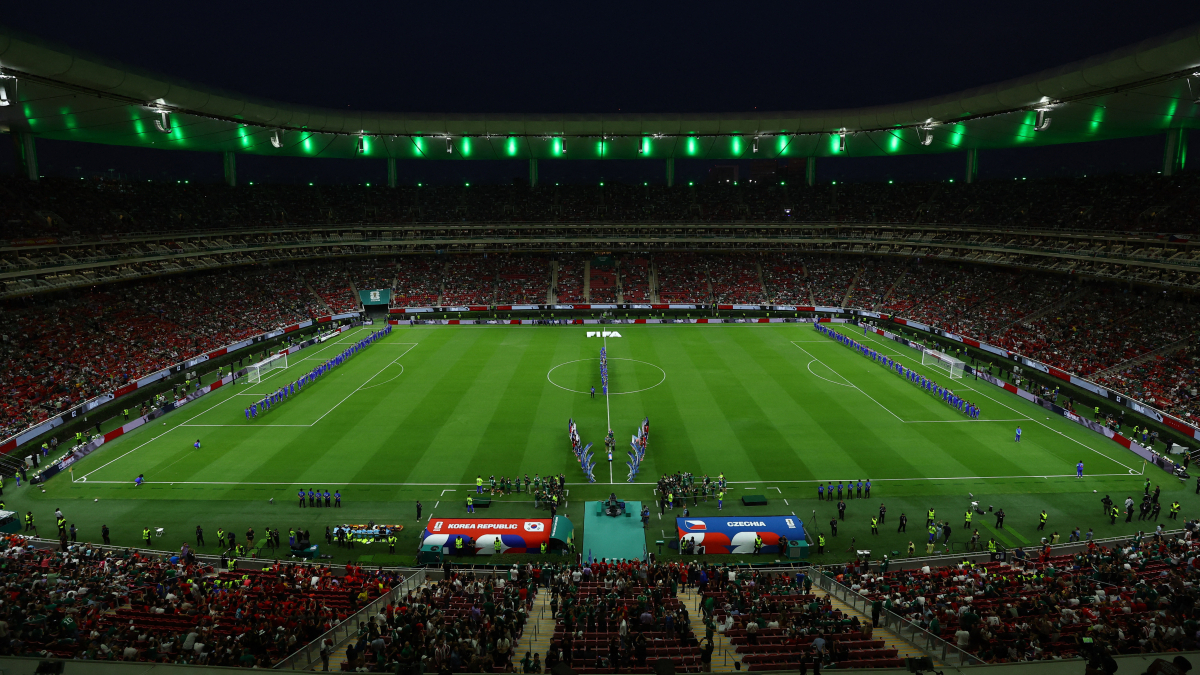
Legions of security officers and police are being deployed for the 2026 FIFA World Cup as organisers prepare for what officials describe as an unprecedented security challenge to protect fans, players and venues across North America.
Security measures were already visible during a send-off match in Chicago, where the U.S. faced Germany.
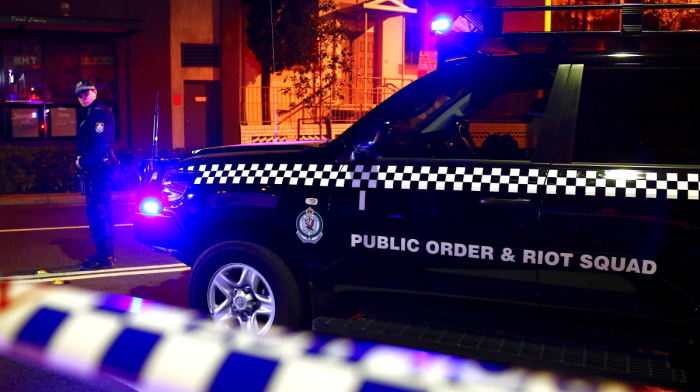
Fans encountered a heavy police presence, with municipal vehicles forming protective barriers around the stadium and strict screening procedures in place before entry.
One of the major concerns surrounding the tournament is the broader geopolitical climate, particularly ongoing tensions linked to the U.S.-Iran conflict, which security analysts say have heightened threat perceptions.
Security experts say the most difficult challenge will not be securing the stadiums themselves, but protecting so-called "soft targets" such as car parks, restaurants and fan gathering areas around match venues.
Former Federal Bureau of Investigation special agent Richard Kolko said stadiums are easier to defend because of controlled access and visible security infrastructure.
Authorities also plan to deploy anti-drone systems around stadiums.
The U.S. Department of Homeland Security has warned that drones remain one of the biggest security threats to large-scale sporting events.
With matches taking place across 16 cities in the U.S., Canada and Mexico, the 2026 World Cup will be the most geographically dispersed tournament in football history.
The total security operation is expected to cost more than $1 billion, involving federal agencies, local police forces and private security firms.
French DJ and electropop musician Kavinsky, whose atmospheric sound shaped a generation of electronic music fans, has died at the age of 50, French authorities said on Tuesday.
Saudi Arabia said its overnight strikes on Iran-backed group targets in Iraq were carried out in self-defence and warned it would take further military action if the groups launched new attacks against the kingdom.
Yemen warned the Houthis were seeking to replicate Iran's Strait of Hormuz strategy in the Red Sea, as U.S. President Donald Trump said there was a "good chance" of a deal with Tehran but warned strikes could resume if talks failed.
Moscow should stop linking Russia-Armenia relations to Azerbaijan, Baku's Foreign Ministry spokesperson Aykhan Hajizada has said, after Russia again raised the Collective Security Treaty Organisation's role during the former Garabagh conflict.
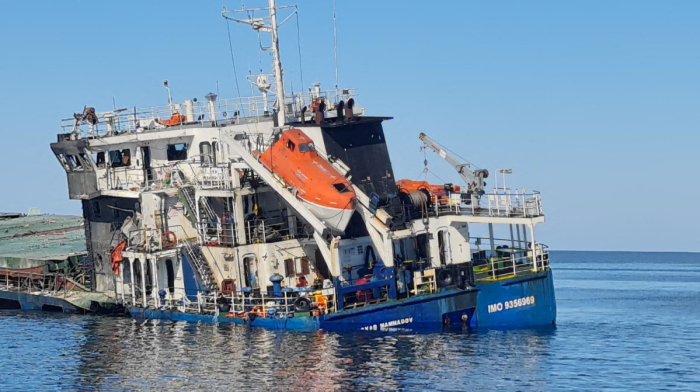
A fire involving two gas vessels at Egypt's Damietta port has prompted conflicting reports over whether the incident was caused by a drone strike or an onboard technical fault. Egyptian authorities said there were no casualties.
The death toll from the powerful earthquake that struck Japan’s southwestern Kumamoto prefecture has risen to 30, Prime Minister Sanae Takaichi said on Thursday, as water and power shortages left survivors exposed to extreme summer heat.
Australia's internet regulator said on Thursday it had begun legal action against messaging platform Telegram over alleged failings to tackle pro-terror posts.
Residents across southern Japan are struggling with disrupted water and electricity supplies two days after a powerful magnitude 7.1 earthquake struck Kumamoto Prefecture.
Start your day informed with AnewZ Morning Brief. Here are the top news stories for the 30th of July, covering the latest developments.
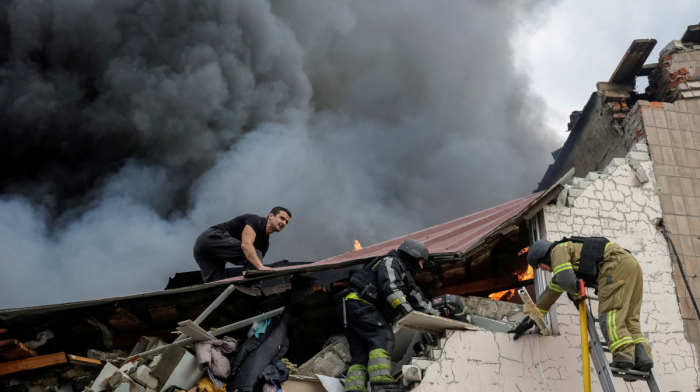
Russian air strikes killed at least 13 in Ukraine on Thursday, including one in Kyiv, in attacks extending as far as the western city of Lviv, forcing neighbouring Poland to scramble fighter jets to secure its airspace.
You can download the AnewZ application from Play Store and the App Store.
What is your opinion on this topic?
Leave the first comment