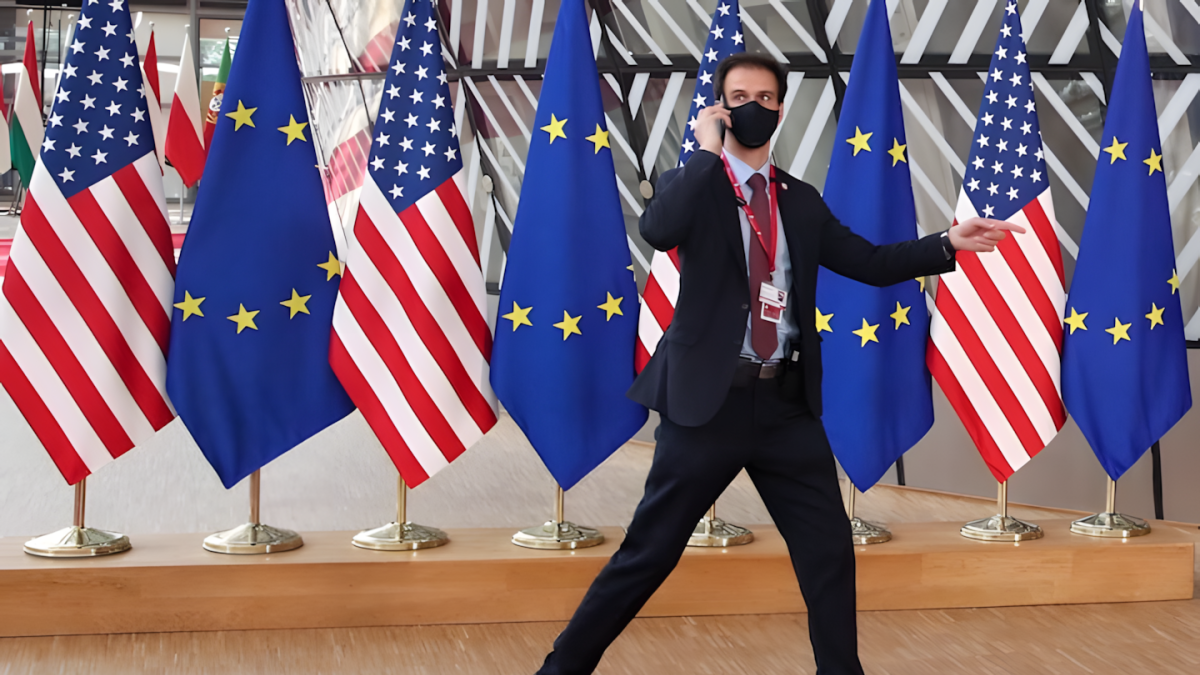
The U.S. and the European Union are set to sign a memorandum of understanding on Friday to establish a partnership on the procurement and production of critical minerals, the U.S. State Department confirmed late on Thursday.
The preliminary agreement marks a coordinated transatlantic effort to reshape global supply chains underpinning technology, defence and the green energy transition. U.S. Secretary of State Marco Rubio and EU Trade Commissioner Maroš Šefčovič are due to meet in Washington to finalise the deal and oversee the signing.
Breaking China’s dominance
The partnership is driven by growing concern in Western capitals over national security and economic vulnerability. The U.S. has long sought reliable domestic or allied sources of critical minerals.
Supply chains for rare earth elements - essential for products ranging from electric vehicle batteries and smartphones to advanced military systems - remain heavily dominated by Chinese state-backed firms. Beijing’s control over exports has been increasingly used in geopolitical disputes, prompting the U.S. and EU to seek alternatives.
Diplomatic groundwork for the agreement has been under way for months. Šefčovič said in late March that he had held a “very positive” meeting with U.S. Trade Representative Jamieson Greer, focusing on procurement strategies and possible tariffs to shield emerging Western industries from subsidised Chinese competition.
To reduce reliance on China, Washington has urged allies to accept a “security premium,” paying more for minerals sourced elsewhere. Greer has argued that structural pricing mechanisms are needed to make Western mining projects viable against cheaper Chinese supply.
Minimum price guarantees and market intervention
Details of the proposed deal suggest significant market intervention. Bloomberg has reported that both sides are nearing a framework to coordinate mineral production and supply.
The agreement may include state-backed incentives such as minimum price guarantees, effectively setting a price floor for certain rare earths. This would favour non-Chinese suppliers and give Western firms greater certainty to invest in new mining and processing facilities.
The economic stakes are high. The U.S. remains the EU’s largest trading partner. EU exports to the U.S. reached a record €555 billion ($648.52 billion) in 2025, underlining the importance of safeguarding supply chains.
Economic unity amid political tensions
The deal comes despite broader political and military tensions between the allies. While cooperating economically to counter China, divisions have emerged in other areas.
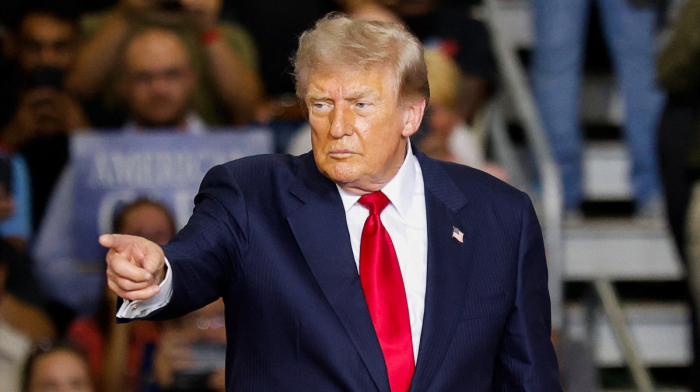
U.S. President Donald Trump has criticised EU and NATO allies for what he sees as limited support in the U.S.’s involvement in a conflict involving Iran. He has accused European nations of relying on U.S. security guarantees while avoiding operational commitments.
Against this backdrop, the minerals partnership serves both economic and diplomatic aims - securing supply chains while signalling continued cooperation between Washington and Brussels, even as differences over Middle East policy persist.













What is your opinion on this topic?
Leave the first comment