China has announced plans to accelerate the diversification of its energy imports and expand strategic reserves, citing a worsening global security environment and ongoing disruption in oil markets.
The move aims to strengthen the country’s ability to navigate what officials describe as an “emergency situation” in global hydrocarbon markets.
The policy was outlined on Friday by Wang Changlin, vice-chair of the National Development and Reform Commission (NDRC), China’s top state economic planner. The announcement comes as global energy supply chains remain under severe strain following the war involving Iran, which began in late February.
The conflict has led to the closure of the Strait of Hormuz, trapping hundreds of supertankers and commercial vessels. Before the outbreak of hostilities, the route handled around 20 per cent of global oil shipments.
Shielding the domestic market from global shocks
Despite being the world’s largest importer of crude oil, China has avoided the severe fuel shortages and economic disruption seen in other import-dependent countries.
Speaking at an NDRC press conference, Wang said this resilience was due to swift government intervention aimed at protecting domestic oil supplies from the global price shock caused by the blockade.
To shield consumers and industry from rising international prices, authorities have tightly controlled retail fuel costs. Since the war began, the government has raised the ceiling prices for petrol and diesel three times.
Official figures show petrol price limits have increased by a total of 2,275 yuan (£265) per metric tonne, while diesel has risen by 2,185 yuan (£254) per tonne.
However, the NDRC capped the second and third increases at roughly half the level set by the country’s usual market-linked pricing mechanism. By absorbing the difference at state and refinery level, Beijing has effectively subsidised the wider economy, limiting pressure on logistics and manufacturing costs.
Pushing domestic production to historic highs
Wang said long-term energy security will depend on structural changes, including increased domestic oil and gas production and expanded strategic reserves.
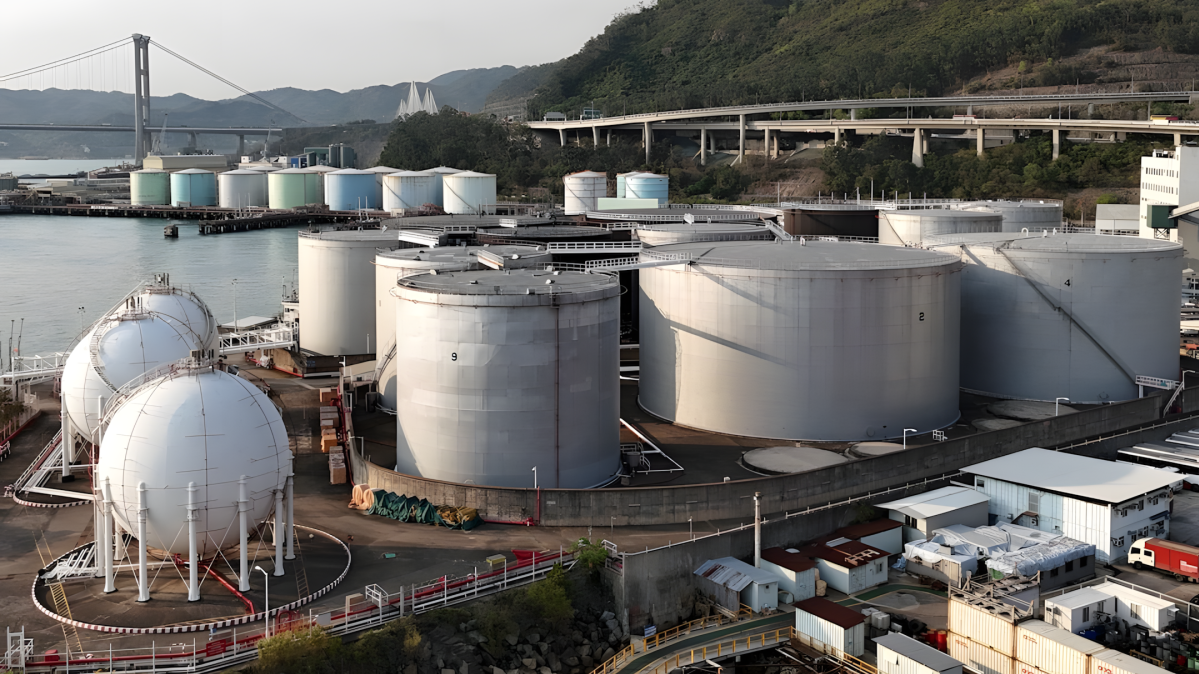
China’s domestic output is already reaching new highs. Last year, the country produced 4.3 million barrels per day (bpd) of crude oil, setting a national record despite global declines in mature oil fields.
State-owned energy firms have invested heavily in advanced extraction technology, enhanced recovery methods in ageing fields, and deep-water exploration in the South China Sea.
In 2026, production has continued to rise. Although oil imports fell sharply in March due to the Strait of Hormuz bottleneck and high global prices, domestic output increased to a record monthly high of 4.44 million bpd.
This growth forms part of a broader strategy to diversify energy sources. China is expected to shift imports towards more secure overland pipelines from Russia and Central Asia, while accelerating its expansion of renewable energy.
The crisis in the Gulf has reinforced Beijing’s view that long-term economic stability depends on reducing reliance on geopolitically volatile regions such as the Middle East.














What is your opinion on this topic?
Leave the first comment