Stay updated with the top news for January 16th in our Morning Briefing.
Start your day informed with AnewZ Morning Briefing: here are the top news stories for January 15th, covering the latest developments you need to know.
1. Israel and Hamas agree to ceasefire.
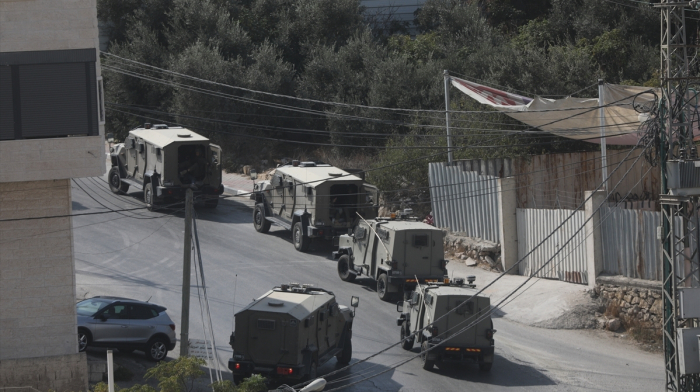
Israel and Hamas have announced a multi-stage ceasefire, set to begin on Sunday. The agreement includes Israeli military redeployment, humanitarian aid to Gaza, and prisoner exchanges. Concerns remain over the durability of the truce amid political tensions.
2. Erdogan welcomes Gaza ceasefire.
Türkiye’s President Recep Tayyip Erdoğan expressed strong support for the Gaza ceasefire, calling it a step toward regional peace. In a statement on social media, Erdoğan reiterated Türkiye's commitment to aiding the Palestinian people and pledged continued support for Gaza's recovery.
3. Former U.S. Presidents decline Trump’s inauguration dinner invitation.
Former U.S. Presidents Bill Clinton, George W. Bush, and Barack Obama will not attend the inauguration dinner for President-elect Donald Trump on January 20. Their absence underscores the significant political divisions during the transition of power.
4. TikTok faces U.S. ban deadline.
TikTok faces a potential ban as the January 19 deadline for ByteDance to divest its U.S. assets approaches. Lawmakers have called for an extension, while ByteDance warns a ban could disable the app, used by over 170 million Americans, disrupting its massive user base.
5. Peace mediation in the Caucasus.
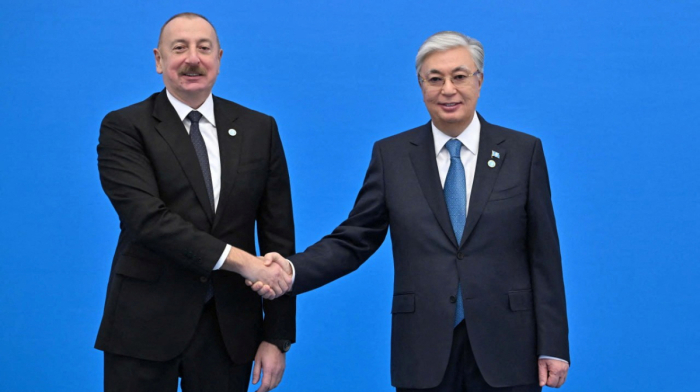
The Wall Street Journal describes a "golden opportunity" for U.S. President-elect Donald Trump to mediate peace between Armenia and Azerbaijan. Both nations are reportedly eager to resolve their long-standing disputes, aligning with U.S. strategic interests in the region.
6. Iran accuses Israel of nuclear sabotage.
Iran has accused Israel of sabotaging its nuclear programme by supplying centrifuges rigged with explosives. The allegations follow prior claims of Israeli involvement in attacks on Iran's Natanz facility, further escalating tensions between the two nations.
7. Biden praises Gaza ceasefire, urges long-term stability.
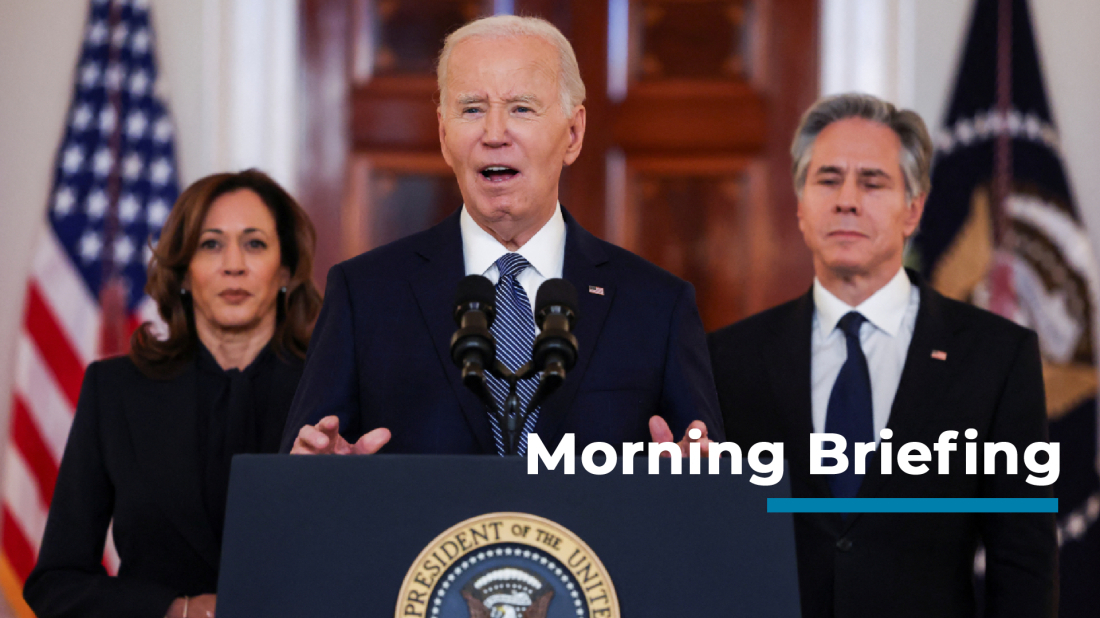
Speaking from the White House, U.S. President Joe Biden commended the ceasefire agreement between Israel and Hamas, describing it as a crucial step in reducing violence and humanitarian distress. He stressed the importance of all parties honoring the truce to ensure lasting peace and reiterated Washington’s commitment to Israel’s security. Biden also called for sustained diplomatic efforts and the expansion of humanitarian aid to Gaza, emphasizing the need for a long-term resolution to the conflict.
8.UN Secretary-General outlines priorities for 2025
UN Secretary-General António Guterres highlighted four major global threats—runaway conflicts, inequalities, climate crisis, and uncontrolled technology—emphasizing urgent action through the Pact for the Future. He called for ceasefires in Gaza, Ukraine, and Sudan, stronger peacekeeping, nuclear disarmament efforts, and global cooperation to tackle humanitarian and security challenges.

















What is your opinion on this topic?
Leave the first comment