French hybrid threats aim to 'undermine' peace process, Azerbaijan says
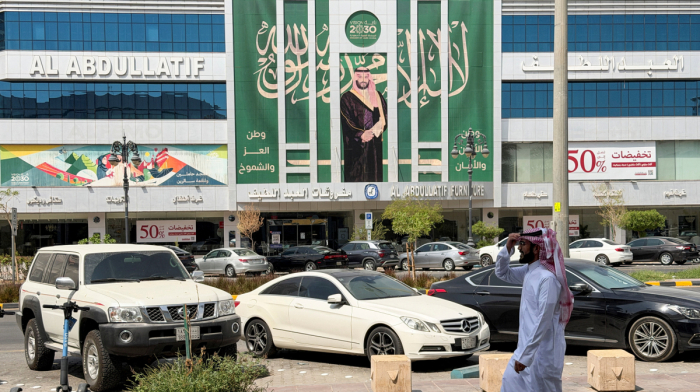
France has continued activities that undermine the Azerbaijan-Armenia peace process, including espionage and information campaigns targeting Baku, acc...
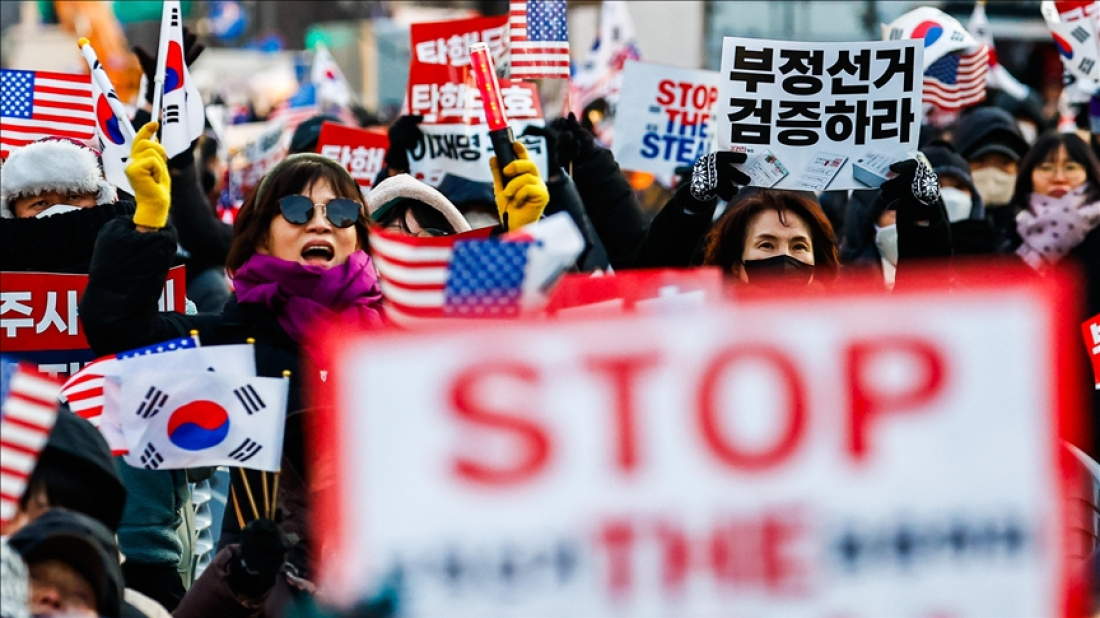
Impeached South Korean President Yoon Suk Yeol skips trial over martial law bid; court proceedings and detention efforts continue amid allegations of treason and insurrection.
South Korea’s impeached President Yoon Suk Yeol refused to attend the first hearing of his impeachment trial at the Constitutional Court on Tuesday, following his controversial attempt to impose martial law last month. The trial session lasted only four minutes due to Yoon’s absence, according to Yonhap News.
Yoon was required to attend the initial hearing of the five oral sessions mandated by the Constitutional Court. Despite his impeachment by parliament on December 14, Yoon has remained confined to his official residence in Seoul, avoiding investigative summons. The court has up to six months to determine whether to uphold or reject the impeachment decision.
While Yoon’s duties are suspended, an acting president from his cabinet is currently managing state affairs. The next trial hearing is scheduled for Thursday and will proceed even if Yoon continues to refuse attendance.
In a separate development, a joint task force of anti-corruption officials and police has requested the presidential security team and the Defense Ministry to avoid obstructing their renewed efforts to detain Yoon. The former president faces charges of treason and insurrection related to his martial law decree of December 3.
An earlier attempt to detain Yoon on January 3 was thwarted by approximately 200 members of his security detail and Defense Ministry personnel. However, a court has since extended the arrest warrant, and investigators have reaffirmed their commitment to arrest Yoon in compliance with the law.

Details of a reported draft memorandum of understanding between the United States and Iran offer the clearest picture yet of how both sides plan to end months of conflict and move towards a longer-term settlement.
The U.S. and Iran say they have reached a deal to end their conflict, with an immediate ceasefire and reopening of the Strait of Hormuz after the lifting of the U.S. naval blockade. Talks will continue over the next 60 days to finalise the agreement
A senior U.S. official said on Monday that the memorandum of understanding linked to the U.S.-Iran agreement had been signed by President Donald Trump, Vice President JD Vance and Iranian Parliament Speaker Mohammad Bagher Qalibaf.
Israeli Prime Minister Benjamin Netanyahu has told U.S. President Donald Trump that Israel does not consider itself bound by a Lebanon-related provision in an emerging agreement with Iran, according to Israeli officials.
A strong 6.7-magnitude earthquake struck Indonesia's Sulawesi island early Tuesday, killing at least one person and injuring four, according to emergency authorities.
Leaders of the Group of Seven (G7) have called for a strong and coordinated international response to the Ebola outbreak in the Democratic Republic of the Congo, urging countries to commit more resources to contain the spread of the virus.
Türkiye’s Foreign Minister Hakan Fidan has warned against actions in the Black Sea that could threaten regional stability, saying he raised the issue directly with Russia during talks in Moscow.
Lithuania’s ruling Social Democratic Party has said its chairman, Mindaugas Sinkevicius, is preparing to become the country’s next prime minister, replacing Inga Ruginiene.
The United Kingdom has imposed a new wave of sanctions on Russia, targeting key financial institutions, logistics networks and vessels accused of helping Moscow sustain its war in Ukraine.
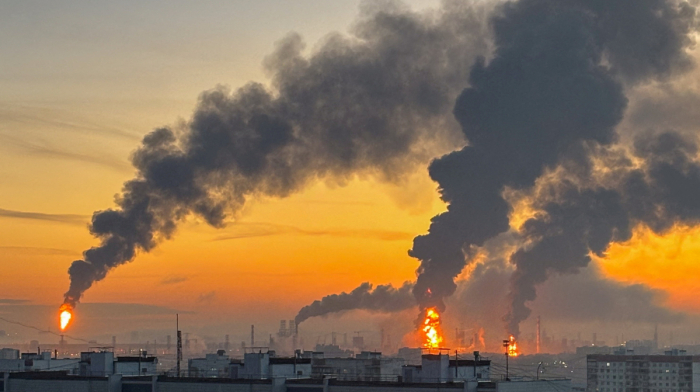
Ukraine has said it struck an oil refinery in Russia’s Moscow region, marking one of the deepest reported attacks into Russian territory in recent months.
You can download the AnewZ application from Play Store and the App Store.
What is your opinion on this topic?
Leave the first comment